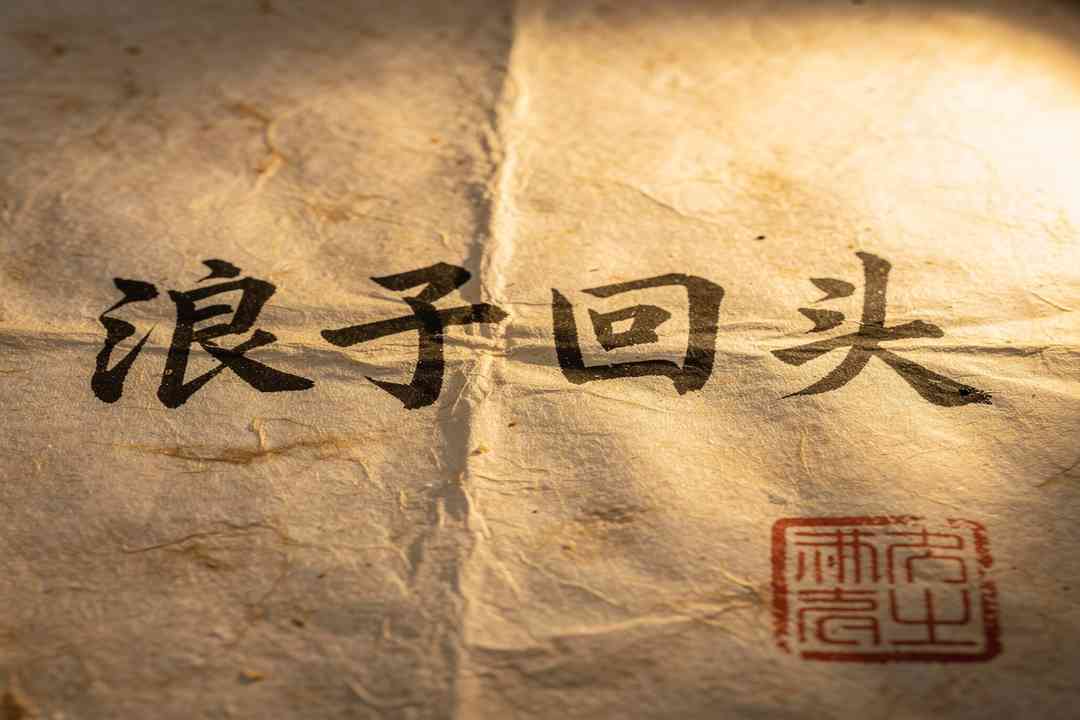
浪子回头 (lang zi hui tou idiom).
The idiom lang zi hui tou idiom comes from Chinese culture and tells a powerful story about redemption.
This four-character expression carries deep meaning about second chances and personal transformation.
In this article, we will explore every aspect of this fascinating idiom together.

The Story Behind lang zi hui tou idiom
The story behind lang zi hui tou idiom traces back to the Qing Dynasty (1644-1912).
It comes from the classical Chinese novel “The Scholars” (儒林外史 wài shǐ) written by Wu Jingzi (吴敬梓).
This novel, completed around 1750, satirizes the civil service examination system and the scholar-official class of ancient China.
Within this novel, there is a famous character named Fan Jin (范进).
Fan Jin was a poor scholar who spent decades trying to pass the imperial examinations.
After finally succeeding, he became so overwhelmed with joy that he went mad.
However, the deeper meaning of lang zi hui tou idiom relates to another important story within Chinese literary tradition.
The original concept actually comes from an older source: the “Zhang Zhuang” (张湛) commentary on ancient texts.
The story describes a wealthy man’s son who wasted his family’s fortune.
He spent money recklessly on gambling, drinking, and extravagant living. Eventually, he found himself poor and alone.
Through hardship, he realized his mistakes and returned home to ask for forgiveness.
His father welcomed him with open arms, celebrating his son’s transformation.
This touching story of a “浪子” (lang zi) — literally “浪子” meaning a wandering youth or prodigal son — who “回头” (hui tou) — meaning “turns back” or “returns” — became one of China’s most beloved idioms. The phrase perfectly captures the essence of redemption and the importance of returning to the right path after straying.
What lang zi hui tou idiom Really Means
The literal meaning of lang zi hui tou idiom is quite straightforward. “浪子” (lang zi) means a carefree wanderer or prodigal son.
“回头” (hui tou) means to turn around or return.
Together, they literally translate to “the wanderer returns” or “the prodigal son turns back.”
However, the idiomatic meaning goes much deeper.
In Chinese culture,
lang zi hui tou idiom describes the act of a person who has been living recklessly or immorally realizing their mistakes and choosing to change their ways.
It emphasizes the moment of transformation when someone decides to return to virtue, family, or the right path in life.
A common mistake people make about lang zi hui tou idiom is assuming it only applies to very dramatic life changes.
In reality, you can use this idiom for any situation where someone acknowledges their errors and decides to improve.
Another mistake is thinking this idiom is always about young people.
While traditionally it describes a young person’s transformation,
it can apply to anyone at any age who chooses to change their life for the better.
Some people also confuse lang zi hui tou idiom with similar expressions.
It is important to remember that this idiom specifically emphasizes the act of returning or turning back.
It suggests that the person had strayed from the right path and made a conscious choice to come back.
How to Use lang zi hui tou idiom in Conversation
Now let’s look at some real sentences showing how to use lang zi hui tou idiom in everyday Chinese conversation.
Example 1 (formal): “经过那次挫折,他终于浪子回头,重新开始努力工作。” (Jīngguò nà cì cuòzhé, tā zhōngyú lángzǐ huítóu, chóng xīn kāishǐ nǔlì gōngzuò.) Translation: “After that setback, he finally turned over a new leaf and started working hard again.”
Example 2 (casual): “别担心,他浪子回头了,以后不会再赌了。” (Bié dānxīn, tā lángzǐ huítóu le, yǐhòu bù huì zài dǔ le.) Translation: “Don’t worry, he’s changed his ways now. He won’t gamble anymore.”
Example 3 (about relationships): “她原谅了丈夫的过去,因为她相信浪子回头金不换。” (Tā yuánliàng le zhàngfu de guòqù, yīnwèi tā xiāngxìn lángzi huítóu jīn bù huàn.) Translation: “She forgave her husband’s past because she believed that a reformed person is more valuable than gold.”
A common mistake in usage is placing lang zi hui tou idiom in the wrong grammatical position.
Remember that this idiom functions as a predicate in a sentence. It describes the subject’s action of returning to the right path.
Another mistake is using it to describe minor changes. This idiom implies a significant transformation, not small improvements.
Why lang zi hui tou Idiom Matters Today
In modern Chinese society, lang zi hui tou idiom remains highly relevant.
In business contexts,
this idiom appears when discussing entrepreneurs who failed early in their careers but later succeeded after learning from their mistakes.
Companies often share stories of founders who were once considered “浪子” but eventually “回头” to build successful businesses.
In education, teachers use lang zi hui tou idiom to encourage students who have struggled with discipline.
It sends a powerful message: no matter how far you have strayed, you can always choose to return to the right path.
This idiom gives hope to those who feel they have made too many mistakes.
In personal relationships, lang zi hui tou idiom carries special significance. Chinese culture values family bonds deeply.
The story of a prodigal son returning home resonates strongly.
When someone makes mistakes in a marriage or friendship, the idea of “浪子回头” reminds people that redemption is always possible.
This idiom also appears in modern Chinese media, including movies, television shows, and popular songs. Its enduring popularity shows how deeply this concept is embedded in Chinese values and thinking.
Related Idioms
Several Chinese idioms share similar themes with lang zi hui tou idiom.
悔过自新 (huǐ guò zì xīn) means “to repent and make a fresh start.” This idiom focuses more on genuine remorse and personal transformation. It is often used when someone commits a serious mistake and genuinely wants to change.
改邪归正 (gǎi xié guī zhèng) translates to “to abandon evil and return to the right path.” This expression is similar to lang zi hui tou idiom but emphasizes leaving behind evil habits or company.
迷途知返 (mí tú zhī fǎn) means “to realize one is on the wrong path and return.” This idiom focuses on the moment of realization before the actual change.
The opposite of lang zi hui tou idiom would be 执迷不悟 (zhí mí bù wù), meaning “to persist in error without enlightenment.” This describes someone who continues making mistakes without realizing their problems.

Frequently Asked Questions
Q: What is the exact origin of lang zi hui tou idiom?
A: Lang zi hui tou idiom originates from the Qing Dynasty novel “The Scholars” by Wu Jingzi. However, the concept of a prodigal son returning home appears in earlier Chinese literature and philosophy, making it a timeless expression of redemption.
Q: Can lang zi hui tou idiom be used to describe small improvements?
A: While technically possible, this idiom usually describes significant life changes. For small improvements, Chinese speakers might use expressions like “有所改进” (yǒu suǒ gǎijìn) meaning “has improved somewhat.”
Q: Is lang zi hui tou idiom only about negative situations?
A: Not necessarily. While it often describes someone leaving behind bad habits, it can also describe someone returning to a positive path after a period of confusion or wandering in life.
Q: How is this idiom perceived in modern Chinese society?
A: Generally positive. The idea of second chances is deeply valued in Chinese culture.
When someone is described as “浪子回头,” it usually brings a sense of hope and celebration.
Q: Does this idiom appear in famous Chinese quotes or literature?
A: Yes! Beyond “The Scholars,” you can find this expression in classical poetry, modern novels, and everyday conversation.
It remains one of the most recognized idioms in Chinese.
Q: Can non-Chinese people use this idiom correctly?
A: Absolutely! Understanding the story and meaning makes it easier to use appropriately.
Just remember to use it for situations involving significant positive change or transformation.
What is the origin of lang zi hui tou idiom?
The idiom originates from a traditional Chinese story about a wealthy family’s son who wasted his inheritance but later repented and returned to a virtuous life.
The saying “浪子回头金不换” (a reformed prodigal son is more valuable than gold) first appeared in Ming/Qing popular literature and has been used as a proverb ever since.
What does lang zi hui tou idiom mean in plain English?
In plain English it means “a prodigal son who has turned over a new leaf” or “a person who has reformed after a period of reckless behavior”.
It is used to praise someone who abandons a wasteful or immoral lifestyle and becomes responsible.
How do you use lang zi hui tou idiom in a sentence?
Example: “After years of dissipation, he decided to turn his life around and start a small restaurant—a true 浪子回头金不换 (a prodigal son’s return is more valuable than gold).” Or in English: “His 浪子回头 (return of the prodigal son) has inspired many of his friends.”
What is the literal meaning of lang zi hui tou idiom?
Literally, 浪子 (làng zǐ) means “a wandering or unrestrained son/ youth”, and 回头 (huí tóu) means “to turn back” or “to return”.
So the phrase literally translates to “the wandering son returns”.
Can lang zi hui tou idiom be used in formal writing?
Yes, the idiom can appear in formal Chinese writing, such as academic essays, speeches, or official documents, when referring to redemption or personal transformation.
However, in English-language formal writing it is often accompanied by a brief explanation, because it is a culturally specific expression.
One Last Thing
The beauty of lang zi hui tou idiom lies in its message of hope.
It reminds us that no matter how far we stray, the door to redemption is never closed.
The Chinese word “回头” (hui tou) literally means “turn your head” — suggesting that sometimes all it takes is a moment of reflection to change our entire life’s direction.
As you continue learning Chinese, pay attention to idioms like lang zi hui tou idiom.
They carry centuries of wisdom in just four characters. Try using this idiom in your next conversation.
You might be surprised how naturally it fits into discussions about growth, change, and second chances.
Keep practicing, and remember: everyone has the chance to be a “浪子” who chooses to “回头.”
Chinese Idioms About Food Printable Fei E Pu Huo Idiom Fang Hu Gui Shan Idiom Wikipedia