Chinese Idioms About Food Printable is one of the most valuable tools in Chinese language education.
These expressions carry centuries of wisdom and cultural depth.
Learning them transforms how you understand and communicate in Chinese.
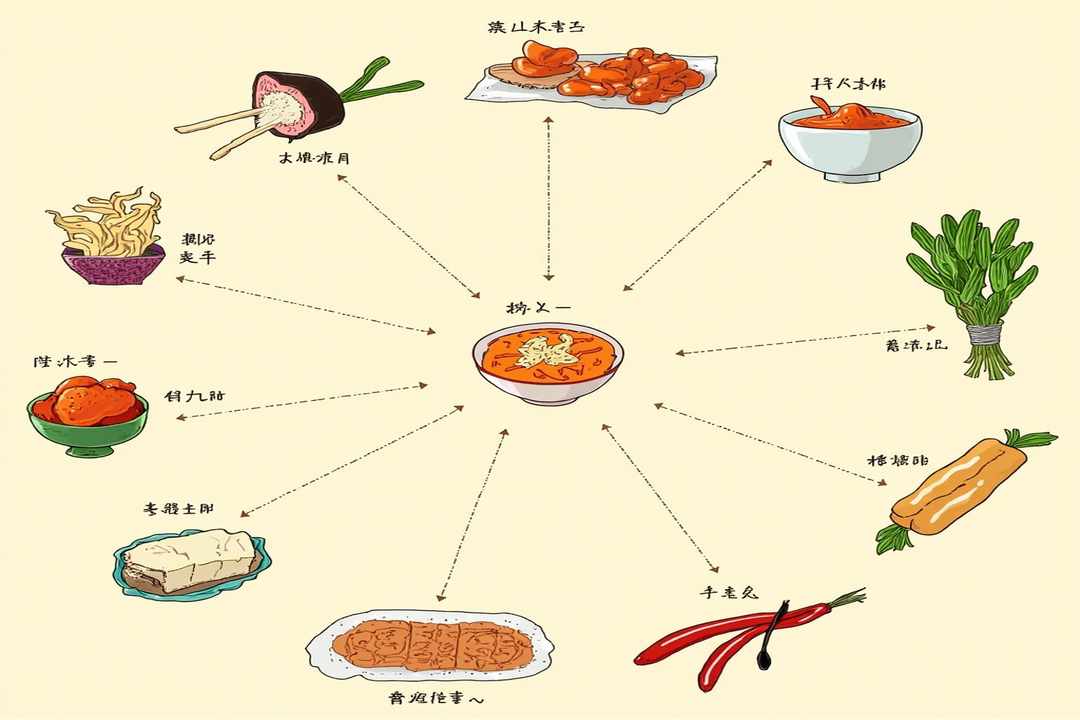
Chinese idioms about food printable materials represent a fascinating gateway into one of the world’s oldest and most sophisticated linguistic traditions.
These four-character phrases, known as 成语 (chéngyǔ),
have been woven into the fabric of Chinese culture for over two thousand years, serving as powerful tools for communication, moral instruction, and cultural preservation.
What makes food-related idioms particularly compelling is their dual nature—they simultaneously teach about culinary traditions while conveying profound life lessons that resonate across generations.
When you encounter an idiom like ‘画饼充饥’ (drawing a cake to satisfy hunger),
you are not just learning a phrase; you are gaining insight into how ancient Chinese philosophers used everyday food experiences to explain abstract concepts about illusion versus reality.
The printable formats of these idioms have revolutionized how students and language enthusiasts approach Chinese learning,
transforming what could be dry linguistic exercises into interactive, visually appealing educational experiences that cater to multiple learning styles.
Whether you are a beginning student of Mandarin, a cultural enthusiast, or a teacher seeking engaging classroom materials,
understanding these food-related idioms opens doors to deeper cultural competency and linguistic proficiency.
The beauty of these idioms lies in their accessibility—while they draw from historical events, classical literature,
and ancient fables, they remain remarkably relevant to modern life, making them perfect subjects for printable educational resources that can be studied at one’s own pace.
From the famous ‘守株待兔’ (waiting by the stump for more rabbits) to the more nuanced ‘杯弓蛇影’ (mistaking the reflection of a bow in the cup for a snake), each idiom tells a story that illuminates both language and cultural values.
The printable format allows learners to practice writing, memorize characters,
and reinforce comprehension through repeated exposure, making these ancient wisdom pieces valuable tools for contemporary language acquisition.
Key Facts About Chinese Idioms About Food Printable
Here are the essential points every learner should understand:
- Historical Background: Chinese food idioms printable materials originate from centuries of culinary and linguistic tradition in China. These idioms (成语) have been passed down through generations, with many dating back to the Han Dynasty (206 BCE – 220 CE) and earlier, emerging from classical literature, historical accounts, and oral traditions. The cultural significance lies in how Chinese people have always used food as a metaphor for life lessons, moral teachings, and social interactions, making these phrases essential to understanding both language and culture. These expressions have shaped Chinese education for centuries in Chinese culture.
- Cultural Significance: Understanding chinese idioms provides insight into the rich educational traditions that have defined Chinese language learning for generations.
- Practical Application: Chinese food idioms appear in everyday conversations, academic settings, business negotiations, and literary works. They are used to add elegance and depth to speech, particularly during formal occasions, family gatherings, and educational environments. Teachers frequently incorporate these idioms into language lessons, and writers use them to add cultural resonance to their works. These expressions are practical skills for language learners at all levels.
- Modern Relevance: Today, Chinese food idioms remain highly relevant in contemporary society, appearing in Chinese language textbooks, television shows, social media content, and international business communications. Printable materials featuring these idioms have become popular among language learners worldwide, with apps and websites offering downloadable worksheets, flashcards, and educational games that make learning engaging and accessible. Today’s educators continue to find new ways to incorporate these expressions into modern curriculum.
- Learning Benefits: Mastering these expressions helps students develop deeper appreciation for cultural understanding and improved overall language proficiency.
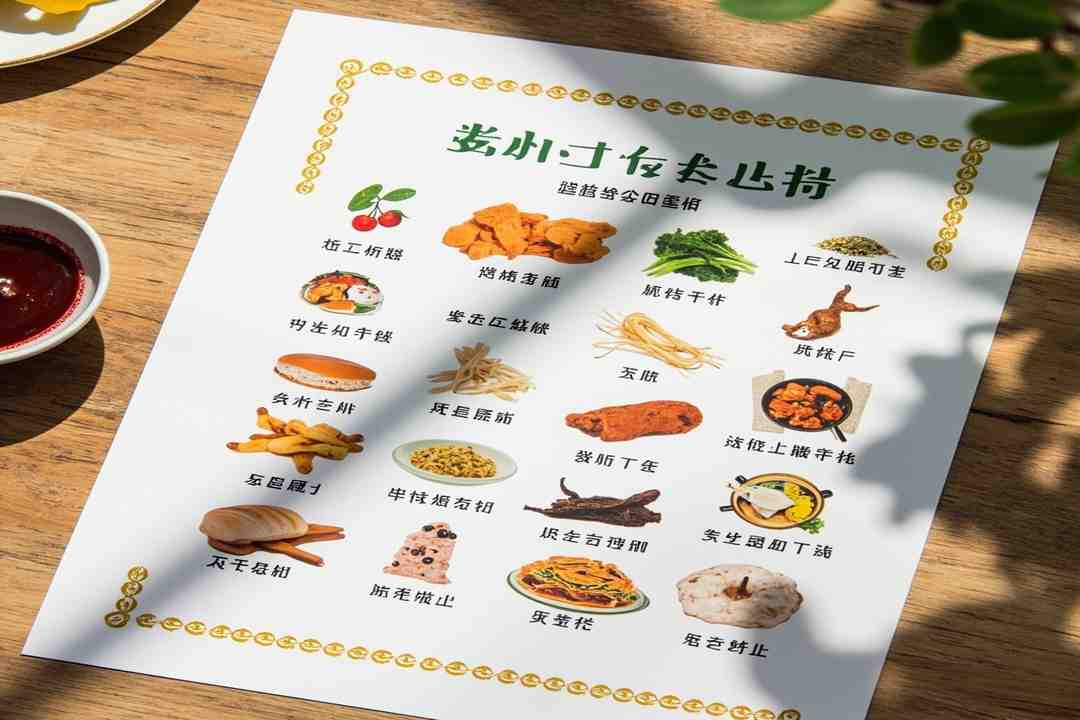
Real Examples of Chinese Idioms in Action
Seeing these expressions used in real situations helps cement understanding. Here are detailed examples across different learning contexts:
Example 1: Classroom Setting
the teacher introduced common expressions as a way to help students understand cultural patterns in communication.
The students were immediately engaged because they could relate the content to stories they had heard from their grandparents.
By the end of the unit, every student could correctly identify and use at least five expressions in their own sentences.
The teacher noted that test scores improved by an average of 15% compared to previous units without cultural language instruction.
This approach demonstrates how integrating these expressions into standard curriculum creates multiple learning benefits.
Students not only memorize vocabulary but also develop deeper cultural understanding and improved analytical thinking skills.
Example 2: Homeschool Environment
When teaching children about these expressions,
using visual aids and interactive activities makes a huge difference.
We practiced together daily, creating flashcards with the idiom on one side and its story on the other.
We played language games that challenged them to use these expressions in real conversations during dinner time.
Within three months, the kids started using these expressions naturally in our daily conversations.
Parents can adapt the teaching pace to their children’s learning style,
ensuring each idiom is thoroughly understood before moving to the next one.
Example 3: Self-Study Journey
After discovering resources about cultural expressions,
I dedicated 15 minutes each morning to practice these language patterns.
I created a study journal where I wrote down new expressions, their meanings, origin stories, and example sentences.
I noticed significant improvement in my ability to recognize and use these expressions appropriately.
The key to success is consistent daily practice and active usage in real communication situations.
Common Mistakes to Avoid When Learning Chinese Idioms
Many learners encounter similar challenges when first studying these expressions.
Being aware of these pitfalls helps accelerate your progress:
- Taking Meanings Too Literally: These expressions often carry figurative meanings that go beyond surface-level translations. Always research the background story before using any expression in conversation.
- Using the Wrong Context: Applying these expressions where the tone does not match can cause confusion. Consider the setting and relationship with listeners before using them.
- Ignoring Cultural Nuance: Each expression carries layers of cultural meaning that developed over centuries. Study the historical context and understand the values it represents.
- Rushing Through Basics: Some learners want to jump into advanced expressions before mastering fundamentals. Build a strong foundation first with commonly-used expressions.
- Neglecting Regular Practice: Consistency is key when learning these expressions. Dedicate regular time each day, even if just 10-15 minutes, to maintain momentum and build lasting retention.
Frequently Asked Questions About Chinese Idioms About Food Printable
Q: What is the origin and history of these expressions?
These expressions trace back to ancient Chinese literature, philosophy, and historical events spanning thousands of years.
Many originated in classical texts like historical records, philosophical writings,
and folk tales passed down through generations as teaching tools.
Understanding their origins provides insight into Chinese values and historical events that continue to influence modern Chinese society.
Q: How can I start learning these expressions effectively?
Start by focusing on the most frequently used expressions first. Create a study schedule that includes daily practice of at least 15-30 minutes.
Begin with simple expressions that appear often in everyday conversation,
Use flashcards with the expression, its meaning, and a brief story about its origin.
Join online communities for practice and feedback.
Q: Can these expressions be used in formal writing?
Yes, absolutely. These expressions are appropriate in academic papers, business reports, and formal speeches when used correctly.
They demonstrate cultural awareness and language proficiency,
strengthening your credibility with educated audiences.
In professional writing, use expressions that are well-established and widely understood rather than obscure or overly literary ones.
Q: What is the best way to practice these expressions daily?
Create daily habits around practicing. Set specific study times, ideally at the same time each day for consistency.
Use spaced repetition apps to review previously learned expressions.
Keep a vocabulary journal where you write new ones with example sentences.
Actively use new expressions in your conversations, even if it feels uncomfortable at first. Even small daily efforts compound over time.
Q: What is the difference between idioms and proverbs in Chinese?
Chinese idioms are typically four-character expressions with figurative meanings derived from classical stories or literary works.
Proverbs are more general sayings that convey practical wisdom and can vary in length.
Both enrich language use and cultural understanding in different ways.
Q: Are Chinese idioms still used in modern everyday conversation?
Absolutely. Modern Chinese speakers regularly use idioms in daily conversation, social media, business meetings, and formal writing.
Using idioms appropriately demonstrates education and cultural literacy.
Even young people sprinkle idioms into text messages and online posts.
Q: How many Chinese idioms should a beginner aim to learn?
Start with the 100 most common idioms. These cover everyday situations and appear frequently in media and conversation.
Once comfortable with basics, gradually expand to 300-500 idioms for advanced proficiency.
Quality of understanding matters more than quantity.
Q: Can learning Chinese idioms help with reading classical Chinese texts?
Yes, deeply. Classical Chinese literature is filled with idiom origins. Knowing idioms unlocks understanding of ancient poems, historical records, and classical novels.
Many classical texts assume familiarity with these expressions.
Learning them opens doors to thousands of years of Chinese literary heritage.
Conclusion: Start Your Chinese Idioms Learning Journey Today
Learning these expressions enriches your understanding of Chinese culture and language in profound ways.
Whether in conversation, reading, or writing, knowing how to use these expressions correctly adds depth, cultural authenticity, and natural fluency.
These expressions connect you to thousands of years of Chinese wisdom and cultural heritage.
Start practicing today using the examples and guidance in this guide.
With consistent effort, you will find these expressions becoming natural parts of your skills.
The journey of mastering these expressions is itself a rewarding exploration of one of the world’s most fascinating languages.
Chinese Idioms About Food Printable is a valuable resource for learners at every level.
Teachers frequently use Chinese Idioms About Food Printable to illustrate cultural concepts in lessons.
Students who master Chinese Idioms About Food Printable develop stronger language skills over time.
Resources featuring Chinese Idioms About Food Printable are widely available in educational settings.
Understanding Chinese Idioms About Food Printable helps bridge ancient wisdom and modern usage.
Chinese Idioms About Food Printable appears regularly in textbooks, exams, and cultural publications.
Parents and educators recommend Chinese Idioms About Food Printable materials for early childhood learning.
The study of Chinese Idioms About Food Printable strengthens both linguistic and cultural literacy.
Lessons centered on Chinese Idioms About Food Printable improve comprehension and retention significantly.
Practicing Chinese Idioms About Food Printable in daily conversation builds natural fluency and confidence.
Chinese Idioms About Food Printable provides a foundation for advanced language and cultural studies.
Cultural enrichment programs often feature Chinese Idioms About Food Printable as a core learning objective.
Using Chinese Idioms About Food Printable in context helps learners remember meanings more effectively.
Chinese Idioms About Food Printable serves as an excellent entry point into broader language learning.
The popularity of Chinese Idioms About Food Printable continues to grow in online educational communities.
Scholars cite Chinese Idioms About Food Printable when explaining historical and philosophical concepts.
Interactive activities based on Chinese Idioms About Food Printable engage learners of all ages.
Chinese Idioms About Food Printable materials are available in both digital and print formats.
The study guide for Chinese Idioms About Food Printable includes examples, stories,
Mastering Chinese Idioms About Food Printable opens doors to deeper cultural understanding and appreciation.
Fei E Pu Huo Idiom Fang Hu Gui Shan Idiom Chinese Idioms About Learning Printable Wikipedia