触类旁通 (chu lei pang tong idiom). If you’re exploring Chinese idioms for daily conversation or teaching them to your child, the chu lei pang tong idiom is a perfect example of a phrase that combines ancient wisdom with modern practicality.
This widely used chengyu (Chinese idiom) carries a clear positive connotation, making it a go-to term for praising someone who stands out among their peers for their ability, character, or achievements. For both learners of Chinese and fans of Chinese culture, understanding this idiom offers insight into historical philosophy and contemporary language use.
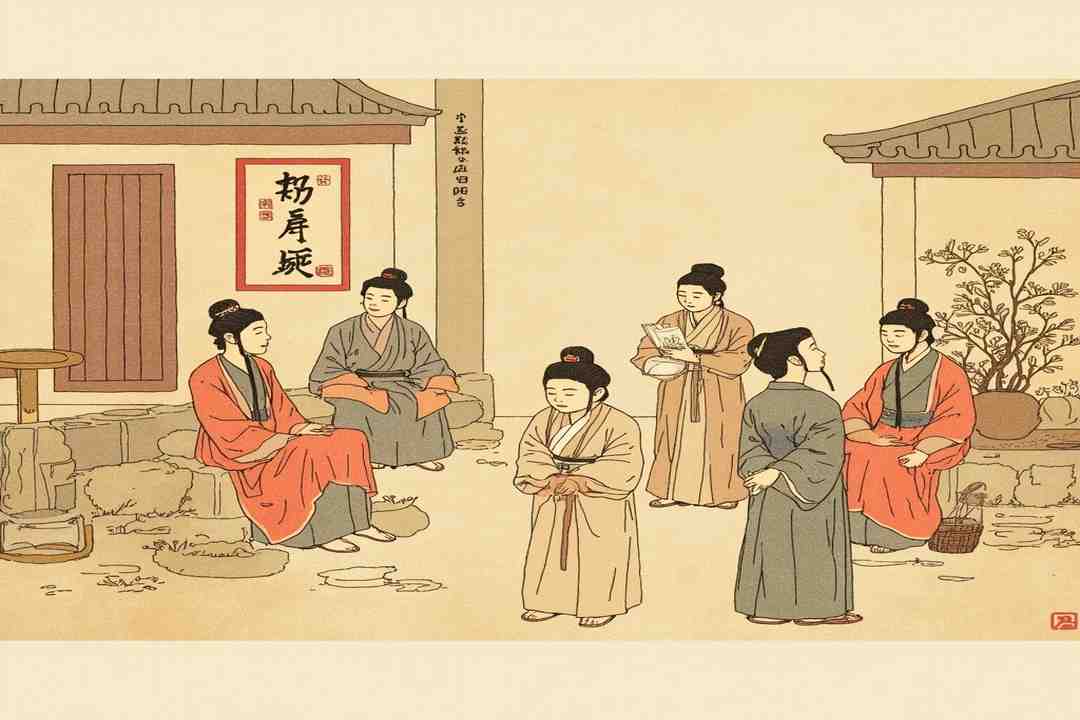
The Story Behind chu lei pang tong idiom
The chu lei pang tong idiom has its roots in *Mencius* (孟子), a foundational Confucian text compiled during the Warring States period (475–221 BCE) by the philosopher Meng Ke (Mencius) and his disciples. The specific line appears in *Mencius · Gongsun Chou Shang* (孟子·公孙丑上): “出于其类,拔乎其萃,自生民以来,未有盛于孔子也。” Translated, this means: “He rises above his kind, towers above his group; since the birth of mankind, there has never been one greater than Confucius.”
The idiom chu lei pang tong is derived from the first four characters of this quote: 出类 (chū lèi, “to rise above one’s group”) and 拔萃 (bá cuì, “to tower above one’s peers”). For centuries, this phrase was reserved exclusively for praising Confucius, the central figure of Confucianism.
Chu Lei Pang Tong IdiomIt wasn’t until the Song Dynasty (960–1279 CE) that it evolved into a standalone idiom, used to describe any individual who is exceptionally outstanding, not just Confucius. Beginners to Chinese idioms should note that the original context was hyperbolic praise for a sage, but modern usage is flexible enough to apply to anyone—from students to professionals—who stands out for positive reasons.
What chu lei pang tong idiom Really Means
Literal translations of the idiom break down into two core parts: 出类 (chū lèi = to exceed one’s class or group) and 拔萃 (bá cuì = to rise above one’s gathering or peer group). Combined, the idiom’s meaning is clear: it describes someone who is exceptionally outstanding, superior, or unique in a positive way.
Chu Lei Pang Tong IdiomUnlike some idioms that carry neutral or negative undertones, chu lei pang tong is always used for praise—never for criticism.
A common mistake English-speaking learners make with this idiom is misapplying it to negative situations. For example, saying “The athlete’s unsportsmanlike conduct was chu lei pang tong” is incorrect, because the phrase exclusively refers to positive excellence.
Chu Lei Pang Tong IdiomIt should never be used to describe behavior that stands out for the wrong reasons; reserving it for achievements, skills, or admirable character traits is key to using it correctly. Another subtle nuance: while similar to phrases like “stand out from the crowd,” chu lei pang tong emphasizes overall excellence rather than just physical or immediate visibility.
Chu Lei Pang Tong IdiomIt’s about being exceptional in your field, not just noticeable in a room.
How to Use chu lei pang tong idiom in Conversation
The chu lei pang tong idiom is versatile enough for both casual and formal settings. Here are four practical examples of how to use it naturally:
- Casual family chat: “My 12-year-old daughter’s math skills are chu lei pang tong—she won the national middle school math competition last month.”
- Workplace feedback: “The new intern’s project management abilities are chu lei pang tong; the team wants to promote her to a senior role before her internship ends.”
- Academic context: “Among all the graduate students in the environmental science program, her research on ocean plastic reduction is chu lei pang tong.”
- Cultural commentary: “The Tang Dynasty poet Li Bai was chu lei pang tong for his romantic, imaginative verses that still resonate with readers today.”
For parents teaching this idiom to children, using relatable examples like a classmate who excels in art or a neighbor who is kind to everyone helps kids grasp its positive meaning easily. Chu Lei Pang Tong IdiomIt’s also useful to pair the phrase with simple illustrations to show someone standing out in a crowd of peers, reinforcing the core idea of excellence.
Why chu lei pang tong idiom Matters Today
In Chinese-speaking regions (including China, Taiwan, Singapore, and overseas communities), the chu lei pang tong idiom remains a staple of daily language. It appears in news articles praising outstanding students and employees, in speeches honoring national achievements, and in casual conversations among friends and family.
Its popularity stems from its conciseness: instead of using multiple words to describe someone’s excellence, this four-character idiom conveys the same meaning in a memorable, poetic way.
For learners of Chinese, mastering this idiom is particularly valuable. It frequently appears in proficiency tests like HSK (levels 4 and 5), making it a must-know for those preparing for language exams.
Chu Lei Pang Tong IdiomBeyond exams, it helps learners understand the depth of Chinese language—how ancient phrases continue to carry relevant meaning in modern life. Expert judgment: For anyone new to Chinese idioms, chu lei pang tong is a great starting point because it’s widely used, easy to remember, and has a clear, positive meaning that’s simple to apply.
Related Idioms
To expand your understanding of Chinese idioms similar to chu lei pang tong, here are three key phrases:
- 鹤立鸡群 (hè lì jī qun): Literally “a crane among chickens.” While it also means standing out, this idiom focuses on immediate, visible contrast rather than overall excellence. Chu Lei Pang Tong IdiomFor example, you might use it to note someone’s physical appearance, but chu lei pang tong is better for praising their achievements.
- 卓尔不群 (zhuó ěr bù qún): Translates to “outstanding and unique.” It’s similar to chu lei pang tong but has a more formal, literary tone, often used in essays or speeches about exceptional character or talent.
- 出人头地 (chū rén tóu dì): Meaning “to rise above others,” this idiom emphasizes achieving a higher social or economic status, rather than inherent excellence in ability. Chu Lei Pang Tong IdiomIt’s about success in life, not just standing out for your skills.
Frequently Asked Questions
What is the origin of the “chu lei pang tong” idiom?
The idiom originates from the *I Ching* (Book of Changes), one of the oldest classical Chinese philosophical texts, specifically from its “Xici Zhuan” (Appended Statements) section.
It was originally used to describe the wisdom of ancient sages, who, upon grasping a fundamental principle of a single category, could extend that understanding to all related categories without needing separate instruction for each new case.
What does the “chu lei pang tong” idiom mean in plain English?
In plain terms, it refers to the ability to learn or understand a whole set of related concepts, problems, or skills once you have mastered one specific example or core principle.
It emphasizes flexible, cross-contextual application of knowledge.
How do you use the “chu lei pang tong” idiom in a sentence?
Example sentence: “After mastering the basic rules of coding for mobile apps, Jake was able to chu lei pang tong and quickly adapt his skills to build desktop software programs.”
What is the literal meaning of the “chu lei pang tong” idiom?
Literally, the idiom translates to “when you encounter one category (of things), you understand all related categories.” Its individual character meanings are: 触 (chù = encounter/touch), 类 (lèi = category/type), 旁 (páng = related/side), 通 (tōng = thoroughly understand/grasp).
Can the “chu lei pang tong” idiom be used in formal writing?
Yes, it is highly appropriate for formal writing.
As a classical idiom rooted in ancient philosophical literature, it is commonly used in academic papers, educational essays, professional reports, and formal speeches to describe intellectual flexibility and effective knowledge transfer across related fields.
It adds a concise, authoritative tone to polished formal communication.
One Last Thing

The chu lei pang tong idiom is more than just a set of four characters—it’s a reflection of how ancient Chinese philosophers valued excellence and praiseworthy character. For learners, mastering it opens a window into both the language and cultural traditions of China, while for parents, it’s a simple way to teach children to recognize and celebrate outstanding achievement.
Whether you use it in a casual chat or a formal speech, this idiom remains a powerful tool to convey sincere praise for someone who truly stands out.
The Chu Lei Pang Tong Idiom idiom encapsulates wisdom from ancient China. Chu Lei Pang Tong Idiom continues to appear in modern Chinese writing and everyday speech. Learning Chu Lei Pang Tong Idiom helps English speakers appreciate classical Chinese expression.
Practical Teaching Notes for Chu Lei Pang Tong Idiom
For learners, the chu lei pang tong idiom is most useful when it is connected to real comparison. A teacher can ask students to describe a classmate, athlete, artist, or young professional who clearly performs above the usual level. This makes the phrase easier to remember because the idea is tied to a visible situation, not only to dictionary wording.
In writing, the chu lei pang tong idiom should be used for genuine excellence rather than ordinary praise. It works best when the person or result clearly stands apart from a group. That distinction matters because the idiom carries a stronger meaning than simply saying someone is good, capable, or promising.
Tie Chu Cheng Zhen Idiom Meaning, Origin and Usage Mo Chu Cheng Zhen Idiom Explained Yan Chu Fa Sui Idiom: 7 Surprising Truths Behind This Classi Wikipedia