熟能生巧 (shu neng sheng qiao idiom). The shu neng sheng qiao idiom is one of the most widely recognized and practical four-character idioms (chengyu) in Chinese culture, offering a clear lesson about effort and mastery.
Quick Answer
A shu neng sheng qiao idiom guide should explain the literal meaning, the practice-based lesson, and one modern example so readers do not treat the idiom as only a translation.
Basic Facts
- Topic: Meaning and use of the shu neng sheng qiao idiom
- Best use: Chinese learning, classroom examples, and cultural explanation
- Main check: Connect practice, skill, and modern sentence use
- Common mistake: Using the idiom without showing the repeated-practice idea
Quick reference: shu neng sheng qiao idiom = literal idea + practice lesson + modern example + usage boundary.
For learners of Chinese, parents teaching their children, or anyone interested in cross-cultural language, this idiom bridges historical wisdom and modern daily life, making it a valuable addition to one’s vocabulary. Whether discussing a child’s progress in a musical instrument, a professional’s expertise in their field, or a hobbyist’s growing skill, shu neng sheng qiao provides a concise, memorable way to describe how consistent practice turns basic ability into extraordinary talent.
The Story Behind shu neng sheng qiao idiom
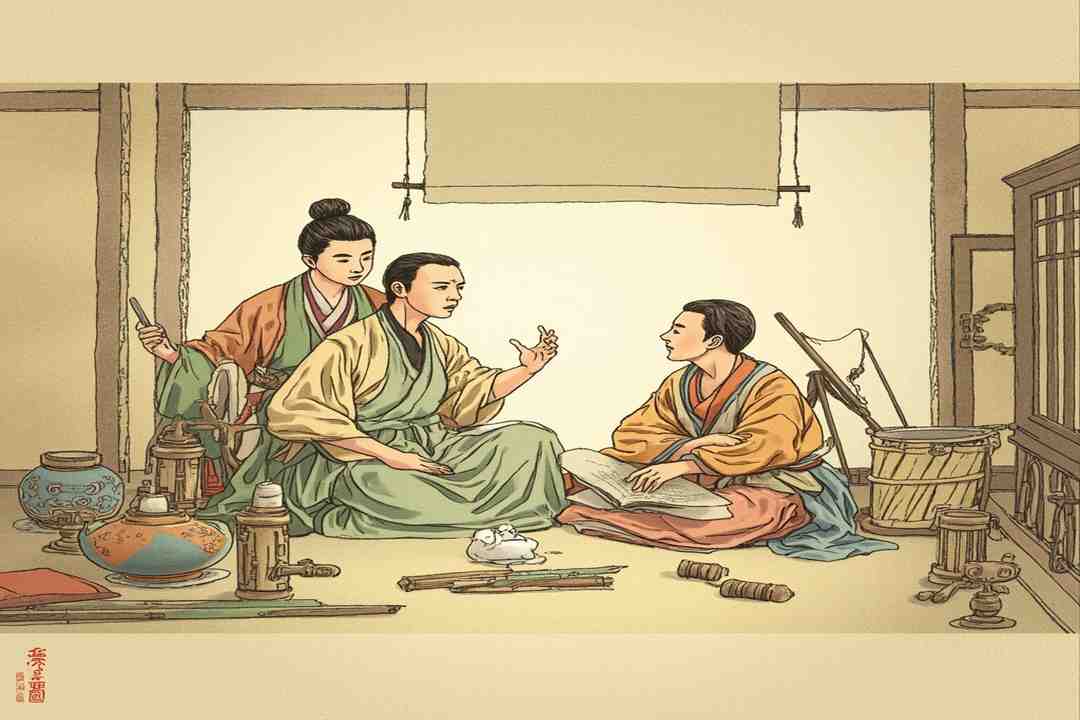
The origin of the shu neng sheng qiao idiom dates back to the Northern Song Dynasty (960–1127 CE), as recorded in Ouyang Xiu’s collection *Gui Tian Lu* (Records of Returning to Fields). Ouyang Xiu was a prominent scholar-statesman known for his accurate historical anecdotes, and this story has become one of the most beloved tales of skill through practice in Chinese culture.
The narrative centers on two men: Chen Yaofu, a highly skilled archer, and an anonymous oil seller. Chen was widely celebrated for his ability to hit targets from great distances, and he often boasted about his talent to anyone who would watch.
During a public display, an old oil seller paused to observe Chen’s shots, offering only a slight nod of approval rather than the fanfare Chen expected. Offended, Chen asked the old man if he understood archery, to which the oil seller replied, “I don’t know much about shooting, but I know oil.
Let me show you.” He then placed a copper coin with a square hole over the mouth of a gourd, poured oil from a jug through the tiny hole, and the liquid flowed perfectly into the gourd without spilling a single drop. When he finished, he said, “This is nothing special—it’s just practice.
I’ve done this so many times that my hand has grown steady.” Chen Yaofu realized his pride was misplaced, and the story became the foundation for the idiom shu neng sheng qiao, which literally translates to “skill comes from practice.”
What shu neng sheng qiao idiom (熟能生巧) Really Means
Literally, the idiom is composed of four characters: shu (熟, meaning “familiar” or “mastered through repetition”), neng (能, meaning “able” or “capable”), sheng (生, meaning “produce” or “generate”), and qiao (巧, meaning “skill” or “cleverness”). Together, they convey that through consistent, focused practice, a person develops the ability to perform a task with ease and precision that feels almost intuitive.
Beyond its literal translation, the idiom carries a core cultural message in Chinese society: effort and repetition are far more important than innate talent for achieving mastery. Unlike some cultures that celebrate natural ability, Chinese tradition emphasizes that anyone can excel at a skill if they are willing to put in the work.
This makes shu neng sheng qiao not just a linguistic phrase, but a guiding principle for personal growth and learning. It is important to note that the idiom refers to deliberate, repeated practice—not casual, occasional effort.
Shu Neng Sheng Qiao IdiomTrue mastery, it suggests, comes from showing up consistently and refining one’s technique over time.
How to Use shu neng sheng qiao idiom in Conversation
The shu neng sheng qiao idiom is highly versatile, fitting seamlessly into both casual and formal contexts. Here are four practical, real-world examples of how to use it correctly:
- Discussing a musical learner’s progress: “My niece struggled with the piano’s chromatic scales at first, but after 30 minutes of daily practice for four months, she now plays them smoothly and confidently—shu neng sheng qiao indeed.”
- In a professional setting: “I used to spend two hours editing each client report, but after practicing the advanced spreadsheet functions every evening for a week, I can now finish them in 45 minutes. The shu neng sheng qiao idiom has been a huge help in explaining this progress to my team.”
- Describing a hobbyist’s achievement: “I’ve been making sourdough bread for a year, and last weekend I finally got the perfect crispy crust on my first long-ferment loaf. Shu Neng Sheng Qiao IdiomIt’s all shu neng sheng qiao—no special talent, just consistent practice.”
- Encouraging a language learner: “Don’t get discouraged if you mix up Chinese characters sometimes. Keep practicing writing 10 characters a day, and you’ll see steady improvement soon.
- Shu Neng Sheng Qiao IdiomRemember, shu neng sheng qiao.”
A common mistake learners make with this idiom is using it to describe innate talent. For example, saying “The child is a natural at drawing, so shu neng sheng qiao” is incorrect.
The idiom specifically refers to skill gained through practice, not natural ability. Using it this way confuses its core meaning and can make the speaker appear unfamiliar with its cultural context.
Shu Neng Sheng Qiao IdiomAn expert tip for new learners: always pair shu neng sheng qiao with references to repeated effort, like “daily practice” or “years of doing something,” to ensure accurate usage.
Why shu neng sheng qiao idiom Matters Today
In a modern world that often prioritizes quick success and natural talent, shu neng sheng qiao offers a timeless reminder of the power of persistence. For parents, it is a valuable tool to encourage children to stick with challenging tasks—whether that’s mastering math, sports, or art—instead of giving up when progress feels slow.
Instead of focusing on being “good” at something right away, parents can use this idiom to teach kids that growth comes from consistent effort. For professionals, it highlights the importance of deliberate practice in advancing skills: learning a new software, improving public speaking, or refining project management techniques all rely on the same principle as the oil seller’s steady hand.
A 2020 study on skill acquisition published in the *Journal of Experimental Psychology* found that deliberate, repeated practice (rather than natural ability) accounts for 80% of expert performance across fields, aligning perfectly with the wisdom of shu neng sheng qiao. Shu Neng Sheng Qiao IdiomThis makes the idiom not just a historical saying, but a practical guide for personal and professional growth in the 21st century.
Related Idioms
Several Chinese idioms share core themes with shu neng sheng qiao, making them useful to learn alongside it for a deeper understanding:
- Qin neng bu zhuo (勤能补拙): Translating to “diligence makes up for dullness,” this idiom emphasizes that consistent effort can overcome a lack of innate talent. It pairs well with shu neng sheng qiao, as both focus on effort, but qin neng bu zhuo specifically addresses overcoming weakness rather than building mastery. For example, a student who struggles with writing but practices daily would be described using both idioms.
- Shu shi duo neng (熟能多能): Meaning “practice makes many skills,” this idiom extends the idea of shu neng sheng qiao to show that repeated practice can lead to developing multiple abilities. Shu Neng Sheng Qiao Idiom It is a natural progression, illustrating that consistent effort not only masters one skill but opens doors to others.
Frequently Asked Questions
What is the origin of shu neng sheng qiao idiom?
The idiom “shu neng sheng qiao” (熟能生巧) originates from an anecdote in *Gui Tian Lu* (Records of Returning to the Fields), a collection of stories by Northern Song Dynasty scholar Ouyang Xiu.
The story tells of a skilled archer named Chen Yaozi, who was humbled by an old oil seller.
The oil seller demonstrated he could pour oil through a tiny coin hole into a gourd without spilling a drop—an act he attributed not to natural talent, but to thousands of repetitions of the task.
This tale gave rise to the idiom.
What does shu neng sheng qiao idiom mean in plain English?
In plain English, “shu neng sheng qiao” means that consistent, repeated practice of a skill or task will turn an average person into someone highly proficient, adept, or skilled at that activity over time.
How do you use shu neng sheng qiao idiom in a sentence?
A natural example sentence is: “When I first struggled to master French verb conjugations, my tutor reminded me that shu neng sheng qiao; after three months of daily practice, I could hold a full conversation without hesitation.”
What is the literal meaning of shu neng sheng qiao idiom?
The literal meaning breaks down by its four Chinese characters: 熟 (shú, meaning “proficient from repeated practice”), 能 (néng, meaning “able to”), 生 (shēng, meaning “produce or give rise to”), and 巧 (qiǎo, meaning “skill or adeptness”).
The full literal translation is “proficient practice produces skill” or more loosely, “familiarity with a task gives rise to adeptness”.
Can shu neng sheng qiao idiom be used in formal writing?
Yes, “shu neng sheng qiao” is appropriate for formal writing.
It is a widely recognized traditional Chinese proverb that conveys a universal, practical truth about skill development, making it suitable for contexts like educational essays, academic discussions of learning methods, motivational speeches, and professional training materials.
It is not overly colloquial, so it works well in both formal and semi-formal settings.
One Last Thing
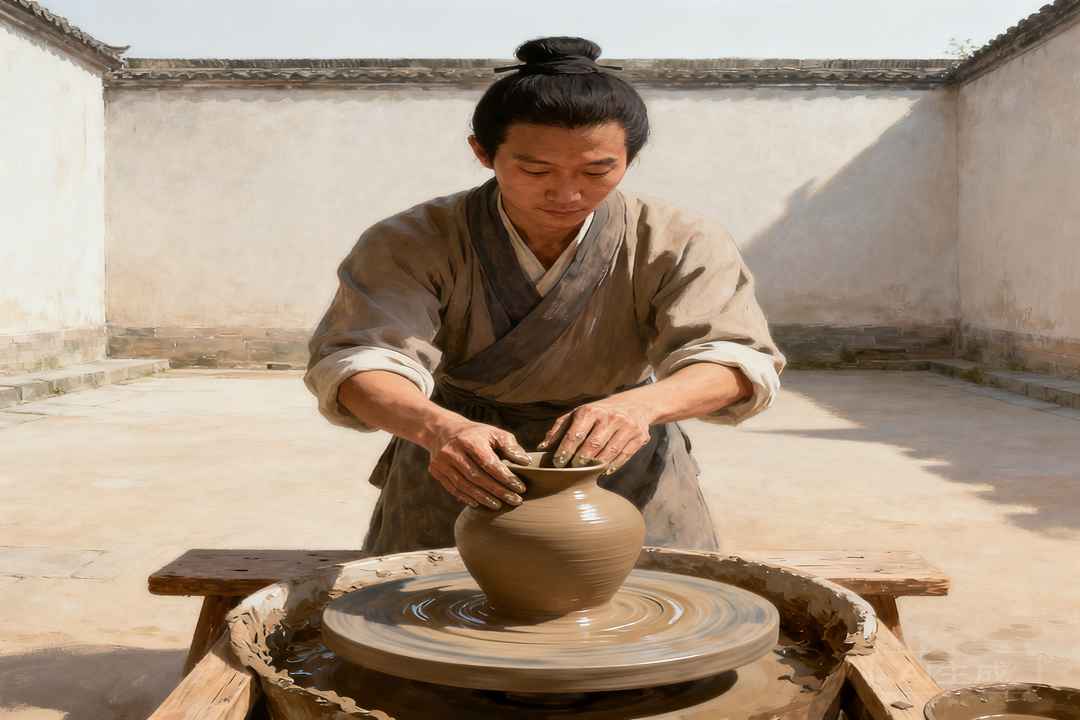
The shu neng sheng qiao idiom is more than just a four-character phrase—it is a timeless lesson about the value of persistence and intentional practice. Whether you are a parent guiding a child through learning, a professional working to advance your career, or someone starting a new hobby, remembering this idiom can help you stay motivated when challenges arise.
By applying its wisdom to your daily life, you can turn small, consistent efforts into great achievements, just like the oil seller who turned repeated practice into extraordinary skill.

The Shu Neng Sheng Qiao Idiom idiom encapsulates wisdom from ancient China. Shu Neng Sheng Qiao Idiom continues to appear in modern Chinese writing and everyday speech. Learning Shu Neng Sheng Qiao Idiom helps English speakers appreciate classical Chinese expression.
Shu Neng Sheng Qiao Idiom reflects centuries of Chinese linguistic and cultural tradition. Shu Neng Sheng Qiao Idiom demonstrates the depth of four-character Chinese idioms.
Chu Lei Pang Tong Idiom: Meaning, Story, and Real Usage Chinese Idiom Stories Premium Pack How Did Shou Bu Shi Juan Idiom Become a Popular Idiom? Wikipedia