This Chinese idiom, Ban Tu Er Fei, is a classic phrase widely used in Chinese learning and children’s education to teach the value of persistence and finishing what you start.
Quick Answer: What Does Ban Tu Er Fei Mean?
Ban Tu Er Fei means “to give up halfway.” It describes starting something but abandoning it before the goal is reached. The idiom is often used for study, work, practice, or any plan that fails because persistence stops too early.
Basic Facts for This Search
| Idiom | 半途而废 / Ban Tu Er Fei |
| Literal sense | Stopping and wasting the effort halfway through |
| Plain English meaning | Give up halfway |
| Best context | Study, long-term practice, work plans, and unfinished goals |
How to Use the Idiom Without Making It Sound Harsh
Ban Tu Er Fei can sound direct, so context matters. In a classroom, it is usually better to connect the phrase with encouragement: a learner has already started, so the next useful step is to continue with a smaller goal rather than stop completely.
In English explanation, “give up halfway” is the clearest short meaning. A fuller translation is “to abandon a task before completion.” The idiom does not criticize every pause or change of plan; it points to quitting when the main goal still matters and the work can reasonably continue.
To compare this persistence lesson with other learning stories, see Chinese four-character idioms, Chinese idiom stories collection, Chinese chengyu stories.
How to use this page
Use this page to understand Ban Tu Er Fei as both a translation and a practical study lesson. The idiom is most useful when a learner needs to explain why stopping halfway can waste earlier effort, but it should be used with context rather than as a harsh criticism.
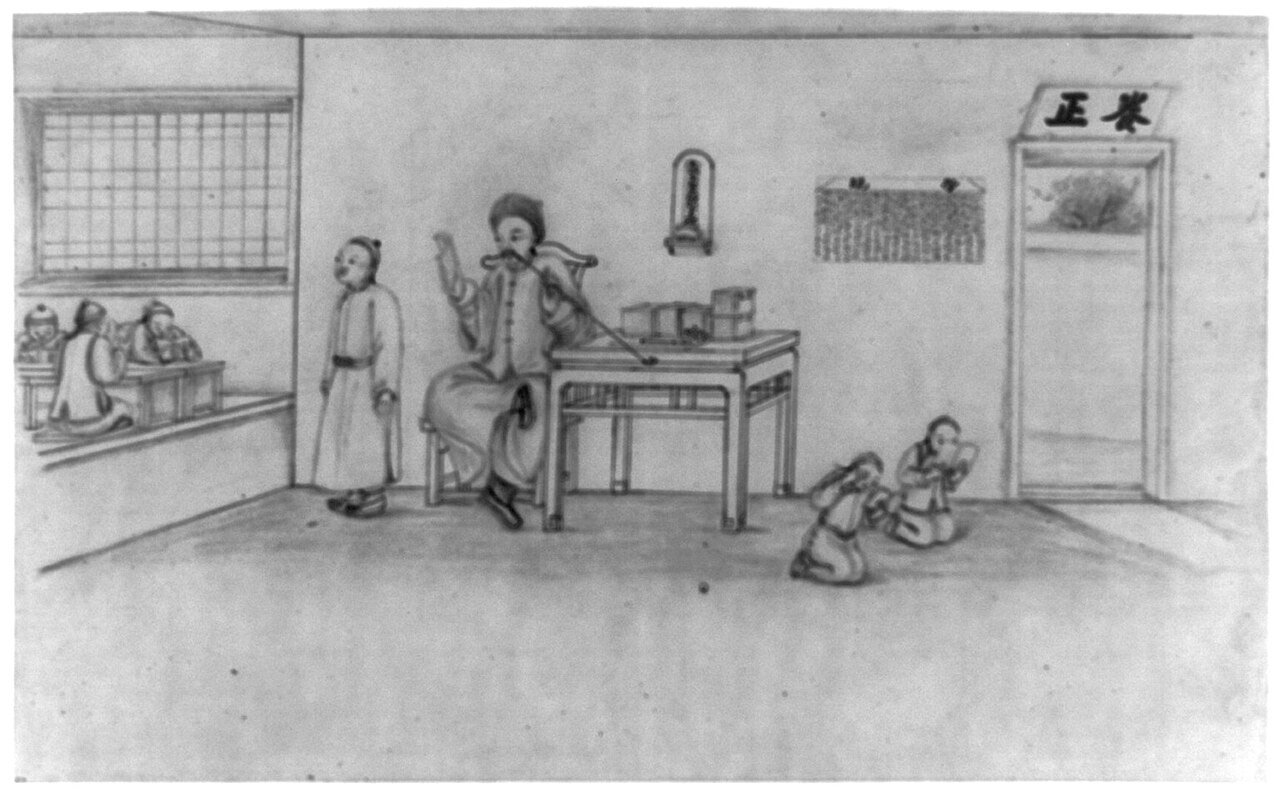
A simple way to teach Ban Tu Er Fei is to ask what has already been started, what remains unfinished, and what small next step would prevent the effort from being wasted. Ban Tu Er Fei does not mean that every plan must continue forever. It means that quitting too early can leave useful work incomplete when the goal still matters.
For learners, Ban Tu Er Fei becomes easier to remember when it is connected to real routines: finishing a worksheet, reviewing a story, completing a reading assignment, or practicing a sentence until it can be used naturally. This keeps the idiom practical instead of abstract.

After reading the story, ask the learner to write one sentence about an unfinished task and one sentence about a better next step. That short exercise turns Ban Tu Er Fei into a usable expression for study, work, and daily planning.
For classroom review, keep the lesson narrow. Ask the learner to name the goal, the stopping point, and the next realistic action. That makes Ban Tu Er Fei easier to use without turning the idiom into a vague command to continue everything. The useful point is judgment: stop a bad plan, but do not abandon a meaningful task simply because the middle part feels slow.
For a final check, summarize the lesson in one plain sentence before moving to the next idiom.
Frequently Asked Questions
What is Ban Tu Er Fei in English?
The simplest English meaning is “give up halfway” or “abandon something before finishing it.”
Is Ban Tu Er Fei only about studying?
No. It can describe study, work, training, projects, or any effort that stops before completion.
How should beginners remember it?
Remember the image of stopping on the road before reaching the destination, then connect it with unfinished effort.
1. This Chinese Idiom & Pinyin
Chinese: 半途而废
Pinyin: Bàn tú ér fèi
English Meaning: To give up halfway; to quit before completing a task.
2. Meaning
This Chinese idiom warns against abandoning efforts midway. It emphasizes that persistence is key to success, making it a popular choice for teaching kids and new Chinese learners about good habits and self-discipline.
3. Story of This Classic Chinese Idiom (中英对照)
Story (English):
In the Eastern Han Dynasty, a scholar named Le Yangzi left home to study in a distant city. After just one year, he grew homesick and decided to return early, leaving his studies unfinished.
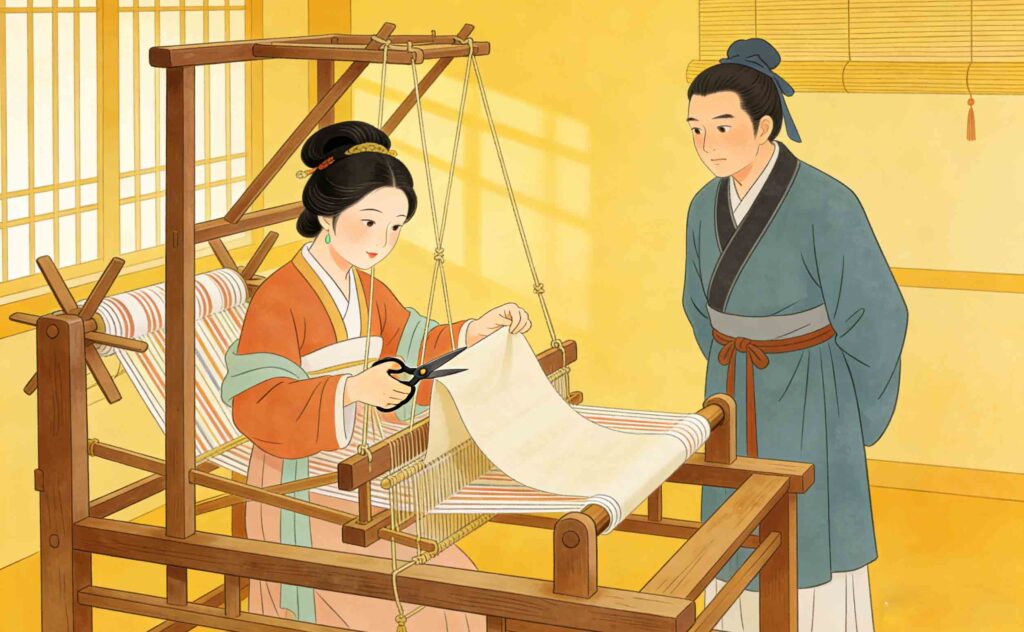
When he arrived home, his wife was weaving cloth on a loom. She picked up a pair of scissors and cut the half-woven cloth into two pieces. She told him: “Studying is just like weaving cloth. If you stop halfway, all your hard work and time are wasted, just like this ruined cloth.”
Le Yangzi felt deeply ashamed. He realized his mistake and immediately returned to his studies, staying away from home for seven years until he completed his education.
故事(中文):
东汉时期,学者乐羊子离家到远方求学。仅仅一年后,他因思念家人便中途返乡,放弃了未完成的学业。
回到家中,他的妻子正在织布。她拿起剪刀,将织到一半的布剪成了两段,对他说:“读书就像织布,若半途而废,之前所有的辛苦和时间都会像这匹断布一样,全部白费。”
乐羊子听后十分惭愧,立刻意识到自己的错误,重新回到学堂,整整七年没有回家,最终完成了学业。
4. Usage & Example
This Chinese idiom is widely used in daily conversations, Chinese classrooms, and children’s stories to encourage perseverance.
Example (English):
If you want to master Chinese well, don’t be a Ban Tu Er Fei—keep practicing every day to build your language skills.
例句(中文):
想学好中文,千万别半途而废,要坚持每天练习,才能不断提升语言能力。
Want more printable idiom stories?
After learning Ban Tu Er Fei, try a free printable animal idiom sample for story-based chengyu practice at home or in class.
5. Learn More
Want to explore more classic Chinese idioms for your child’s education or your own Chinese learning? Check out our daily idiom stories to expand your vocabulary and deepen your understanding of Chinese culture.
Learn more about Chinese idioms on Wikipedia, a trusted resource for Chinese language and culture.