This Chinese idiom stories premium pack guide is meant for learners who want printable, story-based idiom material rather than loose word lists. If you’re a parent helping your child learn Chinese, or someone curious about Chinese culture, you’ve probably wondered how to make learning Chinese idioms feel less like memorization and more like fun. For example, when explaining why rushing a task can backfire, a simple story sticks better than a definition alone.
That’s exactly what the chinese idiom stories premium pack is designed to deliver: a curated collection of chengyu (Chinese idioms) with clear meanings, engaging stories, and practical examples tailored for learners of all levels. This pack isn’t just a list of phrases—it’s a tool to connect language to culture, helping you and your learners understand not just what the idiom means, but why it matters in daily life.
In this guide, we’ll break down what this premium pack includes, how chengyu differ from English idioms, key examples to start with, and how to use these stories effectively.

What chinese idiom stories premium pack Means
The chinese idiom stories premium pack is a structured learning resource built specifically for MengxueClass users, focused on making chengyu accessible and meaningful. Unlike generic idiom lists that only offer basic definitions, this pack prioritizes the story behind each idiom—because a story helps learners remember the phrase and its context.
For overseas Chinese families, it aligns with educational goals to teach heritage language while linking to cultural roots; for adult learners, it simplifies complex cultural concepts into easy-to-understand narratives. Each entry in the pack includes three core components: the idiom in Chinese characters, its phonetic pinyin, a plain English meaning, and a concise story that explains its origin and how it’s used today.
No prior knowledge of Chinese is required, as pinyin and English translations are included for every entry. The pack is organized by difficulty level, so beginners can start with simple, widely used idioms while advanced learners can explore deeper historical context.
How Chinese Idioms and Chengyu Work
Chengyu are distinct from English idioms in key ways: they are almost always 4 characters long, rooted in specific historical or fictional stories, and carry a weight of cultural meaning that goes beyond their literal translation. For example, an English idiom like “break a leg” has no tied historical story, but a chengyu like 画蛇添足 is directly from a fable in the Warring States period.
According to the authoritative 教育部成语典 (Ministry of Education Chinese Idiom Dictionary), over 90% of common chengyu have clear origins in ancient texts or folk tales, making them a window into China’s history and values. A key tip for beginners: focusing on the story behind a chengyu is far more effective for memorization than just repeating its definition.
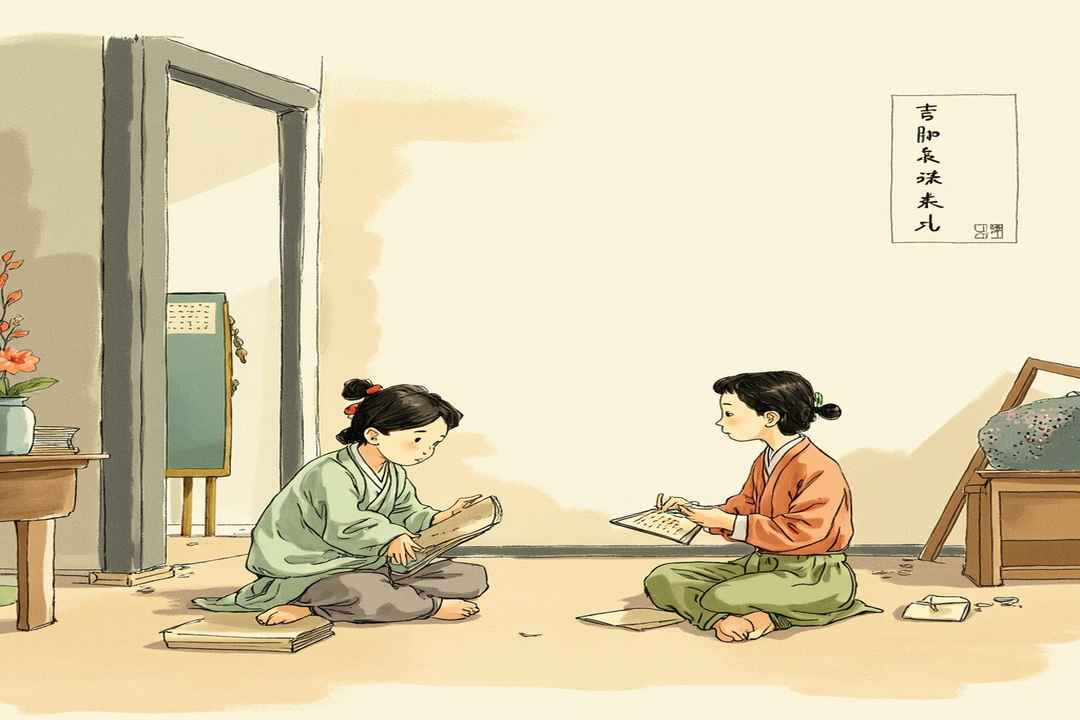
Chinese Idiom Stories Premium PackUnlike English idioms that often rely on metaphor alone, chengyu usually have a clear narrative that explains their purpose, which makes them easier to connect to real-life situations.
Common Examples Worth Learning First
These 10 idioms are the most widely used in daily Chinese, making them perfect for beginners to start with. Chinese Idiom Stories Premium PackEach entry includes its core details and a short story to help you remember:
画蛇添足 (huà shé tiān zú)
Meaning: To overdo something unnecessary. Story: From a Warring States period contest where men competed to draw a snake on the ground; the first to finish would get a jug of wine.
One man finished quickly, but added feet to his snake—before he could finish, another man took the wine, saying snakes don’t have feet. Chinese Idiom Stories Premium PackToday, this idiom describes anyone who ruins something good by adding extra details.
守株待兔 (shǒu zhū dài tù)
Meaning: To wait for luck without effort. Story: A farmer in ancient China found a rabbit that ran into a tree stump and died.
Instead of going back to work, he stayed by the stump every day, hoping for more rabbits. Soon, his crops died, and he never got another rabbit.
Chinese Idiom Stories Premium PackIt’s a warning against relying on chance instead of hard work.
狐假虎威 (hú jiǎ hǔ wēi)
Meaning: To bully others using someone else’s power. Story: A fox tricked a tiger into thinking it was the king of animals, so other animals ran away—they were scared of the tiger, not the fox.
Chinese Idiom Stories Premium PackThis idiom describes people who use others’ influence to intimidate others.
掩耳盗铃 (yǎn ěr dào líng)
Meaning: To deceive oneself. Story: A man stole a bell, thought covering his ears would make others not hear it, so he grabbed the bell and got caught.
Chinese Idiom Stories Premium PackIt’s used for someone who ignores obvious facts to avoid responsibility.
刻舟求剑 (kè zhōu qiú jiàn)
Meaning: To be stubborn and not adapt to change. Story: A man dropped his sword from a boat, carved the spot on the boat to find it later, but the boat had moved by the time he stopped.
Chinese Idiom Stories Premium PackThis idiom describes people who don’t adjust to new situations.
亡羊补牢 (wáng yáng bǔ láo)
Meaning: To fix a mistake after it happens. Story: A shepherd lost sheep because his fence was broken.
After the second loss, he fixed the fence and had no more sheep go missing. Chinese Idiom Stories Premium PackIt’s a reminder that it’s never too late to correct an error.
叶公好龙 (yè gōng hào lóng)
Meaning: To say you love something but don’t really. Story: Lord Ye loved dragons, had dragons painted on his walls and furniture, but when a real dragon came to his home, he ran away in fear.
Chinese Idiom Stories Premium PackThis idiom describes insincere affection.
井底之蛙 (jǐng dǐ zhī wā)
Meaning: Someone with a narrow view. Story: A frog living in a well thought the sky was only as big as the well.
A turtle from the sea told him about the vast ocean, making the frog realize how limited his perspective was. Chinese Idiom Stories Premium PackIt’s used for people who don’t seek new experiences.
对牛弹琴 (duì niú tán qín)
Meaning: Talking to someone who doesn’t understand. Story: A musician played beautiful music for a cow, but the cow just ate grass and didn’t pay attention.
Chinese Idiom Stories Premium PackThis idiom describes wasting time explaining something to someone who can’t grasp it.
胸有成竹 (xiōng yǒu chéng zhú)
Meaning: To have a clear plan before acting. Story: A famous painter always had a perfect mental image of bamboo before painting it, so his bamboo paintings were always realistic and detailed.
Chinese Idiom Stories Premium PackThis idiom praises preparation and confidence.
How to Remember and Use Them Naturally
Learning these idioms is only half the battle—using them correctly makes them stick. The key is to connect each story to your daily life.
For example, if you spent extra time adding decorations to a simple project that didn’t need them, you could say “I was like 画蛇添足 with my work.” For parents teaching kids, acting out the stories (like playing the fox and tiger in 狐假虎威) helps make the idiom memorable. A critical tip for beginners: start with 3-5 idioms at a time instead of cramming all 10.
Mastering a small set first builds confidence and makes it easier to add more later. The MengxueClass premium pack includes guided examples for work, family, and school scenarios, so you can see exactly when to use each idiom without guessing.
Chinese Idiom Stories Premium PackYou can also link to the full story of 刻舟求剑 to dive deeper into its historical context if you’re curious.
Related Idiom Stories to Read Next

Once you’re comfortable with the common examples, these three idioms expand your vocabulary and cover new scenarios. Chinese Idiom Stories Premium PackEach has a unique story that adds depth to your understanding of Chinese culture:
杀鸡儆猴 (shā jī jǐng hóu)
Meaning: To punish one person to warn others. Story: A trainer teaching monkeys to perform tricks killed a chicken in front of the monkeys to show he meant discipline, which made the monkeys behave.
Chinese Idiom Stories Premium PackThis idiom is used when a leader uses a small punishment to set an example for a larger group.
买椟还珠 (mǎi dú huán zhū)
Meaning: To choose the worthless over the valuable. Story: A man bought a beautiful, ornate box (dú) that held a precious pearl (zhū), but returned the pearl because he liked the box more.
Chinese Idiom Stories Premium PackIt describes someone who doesn’t recognize true value, a common mistake in shopping or decision-making.
闻鸡起舞 (wén jī qǐ wǔ)
Meaning: To be diligent and motivated. Story: Two ancient generals, Liu Kun and Zu Ti, heard a rooster crow at night and decided to wake up and practice sword fighting every time.
Chinese Idiom Stories Premium PackThey later became successful military leaders, so this idiom praises hard work and dedication even in small moments.
These idioms complement the common ones you already learned, offering new ways to express ideas about leadership, decision-making, and persistence. Chinese Idiom Stories Premium PackYou can explore their full stories on MengxueClass to get more modern usage examples.
Frequently Asked Questions
What is the origin of chinese idiom stories premium pack?
The “Chinese Idiom Stories Premium Pack” is not an ancient traditional Chinese idiom, but a modern educational resource.
It originated in the early 2000s, developed by Chinese language teaching specialists to make learning Chinese idioms (chengyu) more accessible and engaging for non-native learners.
Early versions were printed book sets, later expanded to digital formats with audio, illustrations, and interactive practice tools.
What does chinese idiom stories premium pack mean in plain English?
In plain English, this term refers to a curated, high-quality collection that includes full narratives explaining the origins of common Chinese idioms, plus supplementary materials to clarify their correct usage, cultural context, and pronunciation—designed to be more comprehensive and engaging than basic idiom guides.
How do you use chinese idiom stories premium pack in a sentence?
Example sentence: “My cousin, who is studying Chinese at university, swears by the Chinese Idiom Stories Premium Pack; the funny stories about ancient historical figures help her remember even the most complex chengyu.”
What is the literal meaning of chinese idiom stories premium pack?
Literally, the term breaks down into its core components: “Chinese” (relating to China’s language and culture), “idiom stories” (narrative accounts of how Chinese idioms originated), “premium” (high-quality, superior value), and “pack” (a bundled set of related materials).
So the literal meaning is a high-quality collection of stories about Chinese idioms.
Can chinese idiom stories premium pack be used in formal writing?
Yes, it is appropriate for formal writing, especially in academic papers, educational reviews, or professional recommendations related to Chinese language learning or cultural education.
For instance, you might reference it in a journal article on effective second-language teaching resources.
That said, since it is not a traditional idiom, it would not be used in creative writing or casual conversation the way ancient Chinese chengyu are.
One Last Thing
Learning Chinese idioms isn’t just about memorizing phrases—it’s about connecting to stories that have been part of Chinese culture for thousands of years. The chinese idiom stories premium pack makes this process accessible, fun, and useful for anyone looking to build their vocabulary and cultural understanding.
Start with 2-3 of the common examples we listed earlier, and take your time to learn their stories before moving on to more advanced ones. Whether you’re teaching your child or learning for yourself, these idioms will help you express ideas more vividly and understand Chinese culture on a deeper level.
If you want to dive deeper into any of the stories mentioned here, you can access the full detailed pages on MengxueClass to get more context and practice prompts.
A strong Chinese Idiom Stories Premium Pack page should help readers move from broad discovery to specific Chinese idiom stories. Chinese Idiom Stories Premium Pack works best when it connects meanings, examples, pronunciation, and related idioms in one useful path. For learners, Chinese Idiom Stories Premium Pack should function as a practical entry point rather than a loose list of phrases.
Chinese Idioms Examples Printable Practice Guide Ju Yi Fan San Idiom: Meaning, Story, and Real Usage Chinese Idioms in Different Languages Wikipedia