倾国倾城 (qing guo qing cheng idiom). The qing guo qing cheng idiom is one of the most iconic and enduring phrases in the Chinese language, weaving together tales of beauty, power, and historical intrigue that have captivated audiences for over two millennia.
Translated literally as “topple a kingdom, topple a city,” this phrase is far more than a hyperbolic compliment—it is a window into ancient Chinese cultural attitudes toward beauty, influence, and the complex relationship between appearance and fate. Unlike ordinary terms for beauty, this idiom carries a weight that speaks to the profound impact a single person’s allure can have, transcending mere physical attractiveness to touch on themes of power, legacy, and even destiny.
For learners of Chinese, understanding this idiom offers not just linguistic insight, but a glimpse into the stories that shape how Chinese speakers express admiration and awe.
The Story Behind qing guo qing cheng idiom
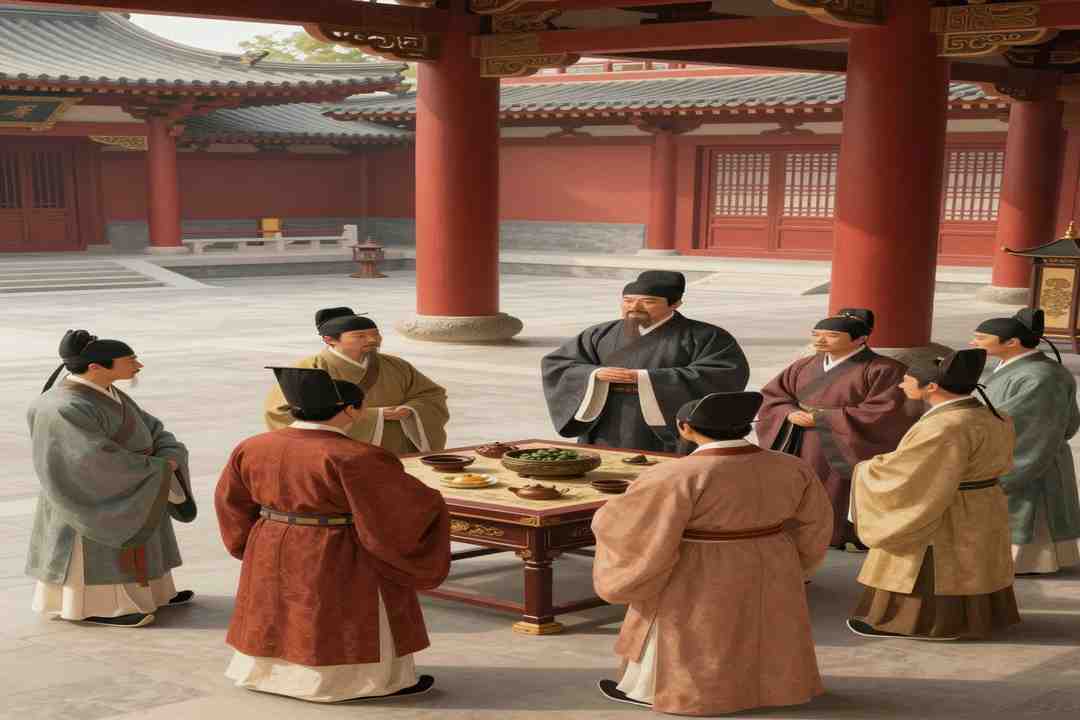
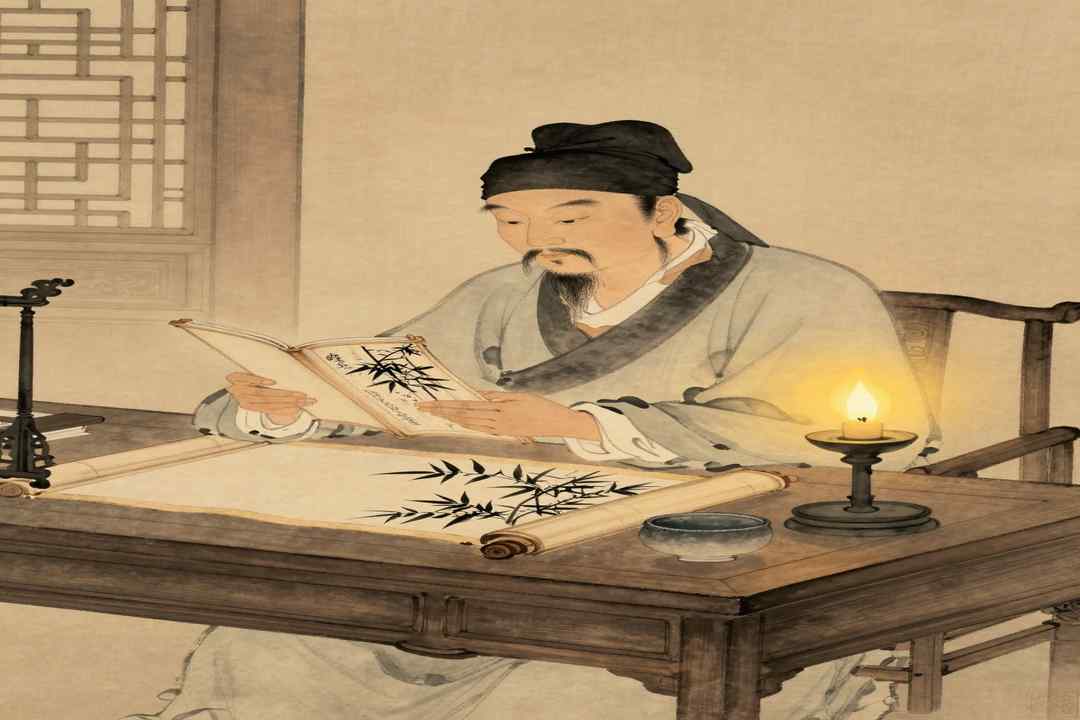
The origin of the qing guo qing cheng idiom is rooted in the Western Han Dynasty (206 BCE – 9 CE), as documented in the *Book of Han* (Han Shu), a historical text compiled by scholar Ban Gu in the 1st century CE. At the heart of the tale is Li Yannian, a gifted court musician and performer in the court of Emperor Wu of Han (Liu Che, r.
141–87 BCE), one of the most powerful emperors in Chinese history. Li Yannian sought to gain the emperor’s favor, so he crafted a lyrical song to perform during a royal banquet, with lyrics that praised a mysterious woman of unparalleled beauty: “There is a woman in the north, so beautiful that she would topple a kingdom, topple a city.
Once you see her again, you would forget the three kingdoms of the world.”
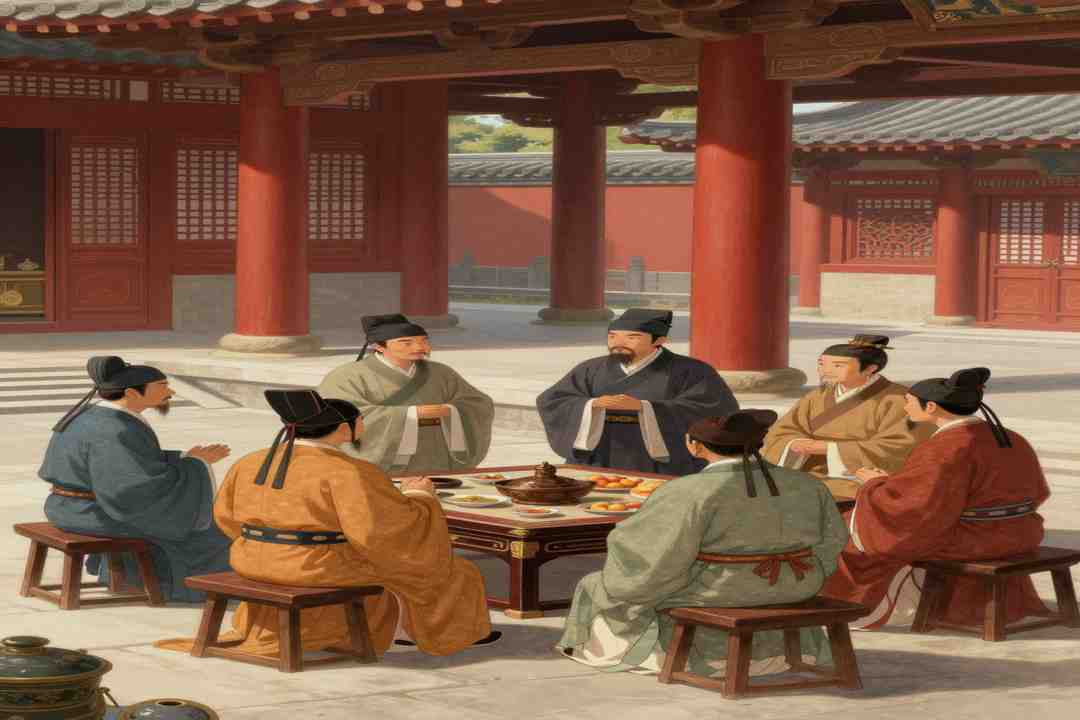
Emperor Wu, known for his appreciation of art and intrigue, was immediately captivated by the song’s vivid imagery and asked Li Yannian if such a woman existed in reality. Li Yannian then introduced his younger sister, Lady Li (Li Furen), who was not only musically talented but also exceptionally beautiful.
The emperor took Lady Li as a consort, and her beauty became legendary. It was from this song and the subsequent fame of Lady Li that the qing guo qing cheng idiom was formalized, cementing its place in Chinese literary and colloquial language for centuries.
While earlier Chinese tales of figures like Daji (blamed for the fall of the Shang Dynasty) and Bao Si (linked to the collapse of the Western Zhou) carried similar tropes of beauty and political power, Li Yannian’s song transformed these vague legends into a concise, widely used idiom.
What qing guo qing cheng idiom (倾国倾城) Really Means
The literal translation of qing guo qing cheng (倾国倾城) is “topple a kingdom, topple a city,” but its figurative meaning is far more nuanced and positive in modern usage. At its core, the idiom describes extraordinary, transcendent beauty that is so mesmerizing it leaves a lasting, almost unforgettable impression on those who witness it.
Qing Guo Qing Cheng IdiomUnlike casual terms for beauty such as 漂亮 (piàoliang, beautiful) or 美丽 (měilì, pretty), qing guo qing cheng carries a sense of awe and reverence, reserved for individuals whose allure extends beyond ordinary attractiveness to evoke strong emotional or even visceral reactions.
The Chinese characters break down to: 倾 (qīng, to topple/overturn), 国 (guó, kingdom), 倾 (qīng, to topple), and 城 (chéng, city). It is critical to note that the literal meaning of “toppling kingdoms and cities” is never taken literally in modern usage.
The phrase is a hyperbole, not a factual claim about someone’s ability to cause political collapse. Qing Guo Qing Cheng IdiomThe trope of beauty leading to political downfall was a common ancient narrative device, but today, qing guo qing cheng is exclusively used to praise beauty, not to warn of danger.
How to Use qing guo qing cheng idiom in Conversation
Before exploring practical examples, it is essential to highlight the most common mistake learners make with this idiom: many new Chinese speakers misinterpret it as a negative term, assuming it describes someone who is dangerous or will cause harm. This is a critical error rooted in confusing the idiom’s ancient literal trope with its modern, purely positive usage.
The qing guo qing cheng idiom is never used to criticize or imply harm; it is always a compliment of the highest order.
Here are four natural, contextually appropriate examples of how to use the idiom: 1. Casual Drama Chat: “I binged the new Tang Dynasty historical series last weekend— the actress playing Yang Yuhuan, the legendary imperial consort, is so stunning that she perfectly embodies the qing guo qing cheng idiom.
Every scene she’s in feels like a work of art.” 2. Wedding Compliment: “Your cousin looked absolutely radiant at your wedding last month; she was the qing guo qing cheng idiom of the entire event.
Guests kept turning to stare, and everyone was talking about her beauty long after the day ended.” 3. Movie Review: “The lead actress in the recent romantic fantasy film *Peach Blossom Spring* delivers a nuanced performance, but what truly stands out is her ethereal beauty—she is a qing guo qing cheng presence that elevates every scene she appears in, making even the most dramatic moments feel magical.” 4.
Literary Discussion: “The ancient poet Li Bai wrote about a legendary courtesan as a qing guo qing cheng beauty, whose smile could calm warring clans and make emperors abandon their court duties. This line perfectly captures the idiom’s core meaning: beauty that transcends ordinary limits.”
Why qing guo qing cheng idiom Matters Today
The qing guo qing cheng idiom remains a vital part of modern Chinese language and culture for several key reasons. First, it fills a unique linguistic niche: it offers a way to express extreme admiration for beauty that simpler terms cannot match.
In a society where compliments about beauty are common, this idiom adds depth and cultural context, signaling that the person being praised is not just pretty, but unforgettable.
Second, it reflects the evolution of Chinese cultural attitudes toward beauty. While its origin is tied to ancient gendered tropes that framed women as agents of political change, modern usage has become far more inclusive.
Today, it is occasionally used to praise men with striking, almost otherworldly beauty (such as male celebrities or historical figures), though this remains less common than its use for women. Qing Guo Qing Cheng IdiomThis adaptability shows how idioms can evolve while retaining their core meaning, remaining relevant across centuries.
Finally, the idiom is widely used in media, advertising, and entertainment in China. Beauty brands use it to promote products that emphasize elegance and allure; film and TV producers use it to describe lead actors whose performances and looks captivate audiences; and everyday speakers use it to compliment loved ones, friends, or public figures.
Qing Guo Qing Cheng IdiomIt is a timeless phrase that bridges ancient history and modern life, connecting speakers to a shared cultural heritage.
Related Idioms
Several other Chinese idioms describe extreme beauty, often used alongside qing guo qing cheng to amplify praise: 1. 沉鱼落雁 (chén yú luò yàn): Translated as “fish sink, geese land,” this idiom refers to the legendary beauty of China’s Four Great Beauties (Xi Shi, Wang Zhaojun, Diao Chan, and Yang Yuhuan).
Legend claims Xi Shi’s beauty made fish sink below the water, and Wang Zhaojun’s made geese fall from the sky. 2.
闭月羞花 (bì yuè xiū huā): Meaning “moon hides, flowers blush,” another classic idiom for unparalleled beauty. It describes a woman so stunning that the moon would hide in shame behind clouds and flowers would blush at the sight of her, often paired with 沉鱼落雁 for dramatic effect.
3. 国色天香 (guó sè tiān xiāng): Translated as “national color, heavenly fragrance,” this idiom refers to a woman whose beauty is so rare and exceptional that she is considered a treasure of the nation.
Qing Guo Qing Cheng IdiomIt emphasizes both her physical allure and her unique, almost divine charm.
Frequently Asked Questions
- Is the qing guo qing cheng idiom only used for women? Traditionally, yes—its origin story describes Lady Li, a female figure, and ancient Chinese literature almost exclusively used the idiom to praise women’s beauty.
- However, in modern casual speech and media, it is occasionally used to describe men with extremely striking, otherworldly beauty, though this usage remains far less common than its application to women. 2.
- Can I use this idiom in formal writing? Absolutely.
- As a classic Chinese idiom with a rich historical background, qing guo qing cheng is appropriate for formal essays, literary reviews, academic papers (when discussing Chinese culture), and public speeches. It adds vivid cultural context to your writing, making compliments or descriptions of beauty feel more profound and meaningful.
- 3. Are there idioms for men that are similar to qing guo qing cheng?
- While there is no direct equivalent to qing guo qing cheng for men, there are idioms that praise male beauty. The most well-known is 貌比潘安 (mào bǐ pān ān), meaning “as handsome as Pan An”—Pan An was a famous Western Jin Dynasty scholar renowned for his exceptional good looks.
- Another common idiom is 玉树临风 (yù shù lín fēng), meaning “like a jade tree in the wind,” which describes a man who is handsome, graceful, and elegant.
What is the origin of qing guo qing cheng idiom?
The idiom originates from the Han Dynasty (206 BCE – 220 CE), from a song sung by the musician Li Yannian for Emperor Wu of Han.
The lyrics described a beautiful woman who could “topple cities and nations” with her allure; Emperor Wu was so captivated that he married Li Yannian’s sister, Lady Li, a renowned beauty of the era.
It was later also linked to legendary ancient beauties like Daji (from the Shang Dynasty) and Bao Si (from the Western Zhou Dynasty), who were mythologized as causing the fall of their dynasties due to their looks.
What does qing guo qing cheng idiom mean in plain English?
In plain English, it refers to a woman of extraordinary, unparalleled beauty.
The phrase uses hyperbole (exaggeration) to emphasize how stunningly attractive someone is—originally implying her allure was so great it could topple states, but in modern usage, it only praises exceptional beauty without any literal political meaning.
How do you use qing guo qing cheng idiom in a sentence?
A natural example is: “When the Oscar-nominated actress walked onto the red carpet in her custom gown, the entire venue went quiet—she was truly qing guo qing cheng, turning every head in the room.”
What is the literal meaning of qing guo qing cheng idiom?
The literal meaning breaks down to: “倾 (qing) = to topple/overthrow, 国 (guo) = nation/country” (倾国) and “倾 (qing) = to topple/overthrow, 城 (cheng) = city/town” (倾城).
Together, the literal phrase is “to topple a nation and to topple a city,” a hyperbolic description of extreme feminine beauty’s supposed power.
Can qing guo qing cheng idiom be used in formal writing?
Yes, it is appropriate for formal writing contexts like literary works, historical essays, or formal tributes to describe a figure of exceptional beauty.
However, it is not used in strictly technical or professional formal settings (such as legal documents or business reports) because it is a poetic, classical phrase rooted in ancient Chinese literature, not everyday formal language.
One Last Thing
The qing guo qing cheng idiom is more than just a phrase—it is a bridge between ancient Chinese history and modern everyday communication. Its origins in the Han Dynasty court remind us of how deeply beauty was intertwined with power and storytelling in ancient times, while its modern usage shows how this idiom has adapted to become a timeless way to praise extraordinary beauty.
Whether you use it to describe a historical figure, a celebrity, a loved one, or a character in a book, this idiom carries a sense of awe that few other terms can match. Remember to avoid the common mistake of using it negatively; instead, embrace its core meaning as a celebration of beauty that leaves a lasting impression on all who witness it.
The Qing Guo Qing Cheng Idiom idiom encapsulates wisdom from ancient China. Qing Guo Qing Cheng Idiom continues to appear in modern Chinese writing and everyday speech. Learning Qing Guo Qing Cheng Idiom helps English speakers appreciate classical Chinese expression.
Qing Guo Qing Cheng Idiom reflects centuries of Chinese linguistic and cultural tradition. Qing Guo Qing Cheng Idiom demonstrates the depth of four-character Chinese idioms.
Gao Yang Jiu Tu Idiom Bao Xin Jiu Huo Idiom Kou Ruo Xuan He Idiom Wikipedia