The bao xin jiu huo idiom (pronounced bào xīn jiù huǒ in Mandarin Chinese, written as 抱薪救火 with Chinese characters) is one of China’s most enduring cautionary phrases, passed down through thousands of years of history to teach a simple but profound lesson: choosing the wrong way to solve a problem will only make it worse. For anyone learning about Chinese language and culture, this idiom is a key example of how ancient wisdom still applies to modern life, from personal decisions to global policy.
It is often cited in debates about quick fixes, superficial solutions, and the danger of ignoring root causes, making it a staple in both casual conversation and formal writing across Chinese-speaking communities and beyond.
Quick Answer: What Does Bao Xin Jiu Huo Mean?
Bao Xin Jiu Huo (抱薪救火) means trying to solve a problem with a method that makes it worse. The literal image is carrying firewood to put out a fire. It is used for counterproductive fixes, not for every unsuccessful attempt.
Basic Facts
| Chinese | 抱薪救火 |
|---|---|
| Pinyin | bào xīn jiù huǒ |
| Plain meaning | A supposed solution that worsens the problem |
| Recorded source | Strategies of the Warring States, Wei section |
Quick reference: use this idiom when the chosen remedy feeds the original problem, like adding fuel while attempting to extinguish a fire.
In plain English, the bao xin jiu huo meaning is a remedy that directly feeds the problem it is supposed to solve.
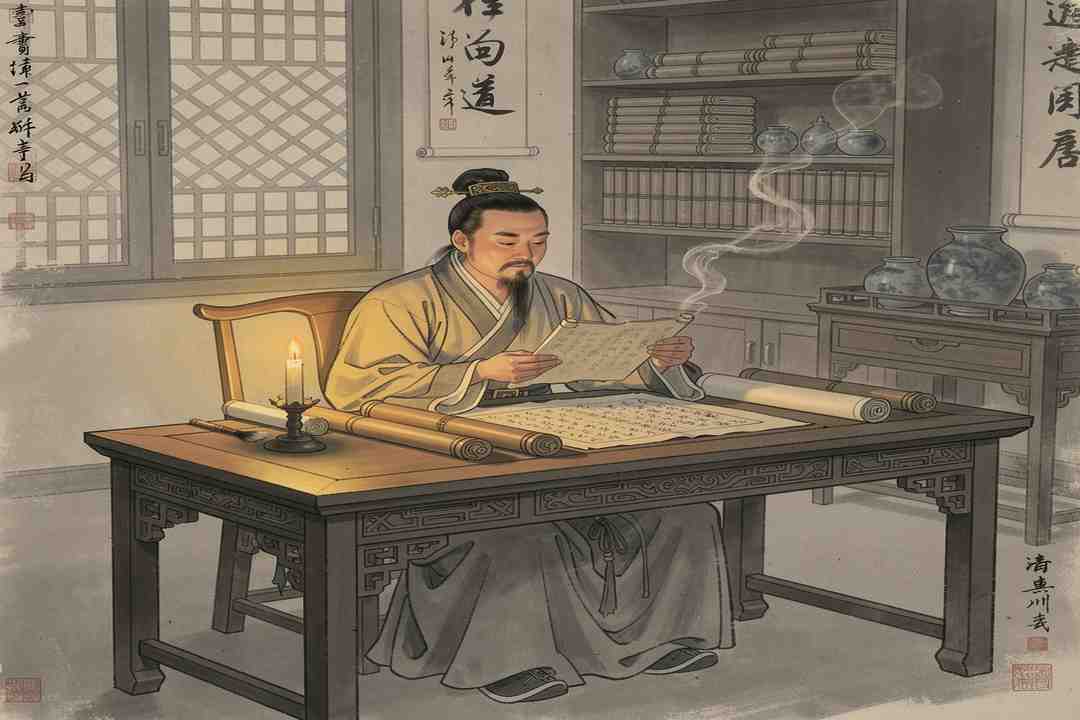
The Story Behind bao xin jiu huo idiom
The origin of the bao xin jiu huo idiom dates back to the Warring States Period (475–221 BCE), a time when seven powerful kingdoms fought for control of ancient China. The story centers on the State of Wei, which was under constant threat of invasion from the neighboring State of Qin, the most militarily powerful kingdom of the era.
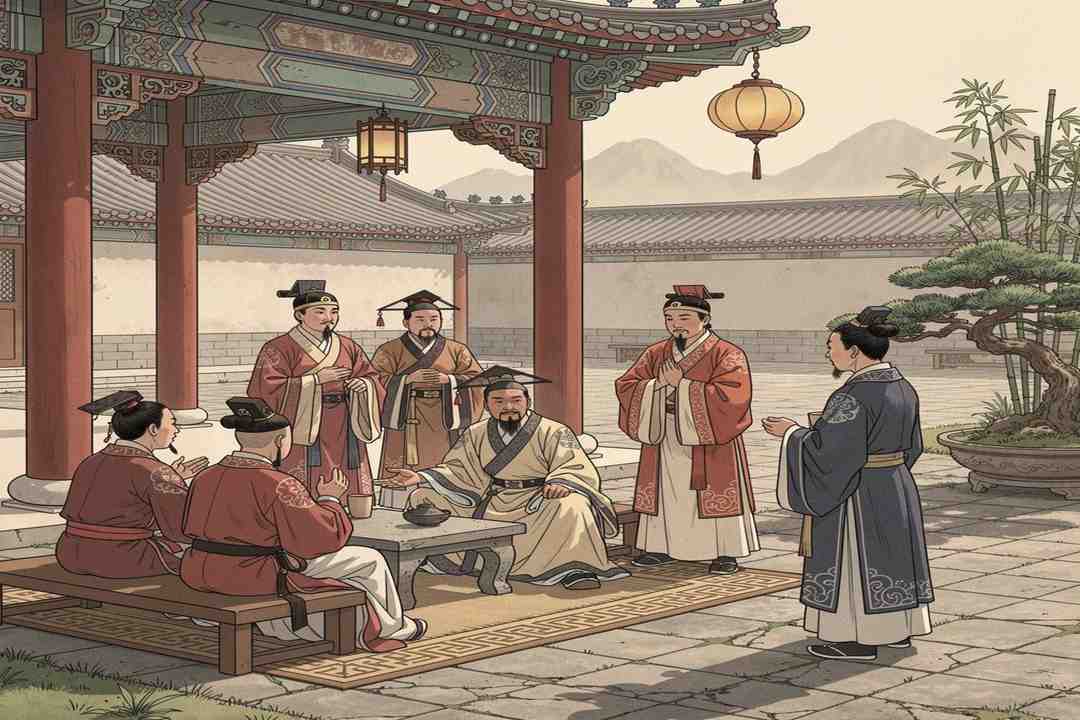
In 273 BCE, Qin launched a major attack on Wei, defeating Wei’s army and seizing two key cities. Terrified of further conquest, the King of Wei consulted his advisors about how to avoid total defeat.
One official proposed ceding four of Wei’s border cities to Qin as a gesture of peace, arguing that this small sacrifice would stop Qin’s aggression. However, a scholar named Su Dai immediately pushed back against this plan.
To illustrate why ceding land was a terrible idea, Su Dai used a vivid metaphor: he described a man who, when his house caught fire, ran to put out the flames by grabbing firewood and throwing it on the blaze. Instead of dousing the fire, the wood only fed it, making the flames bigger and the destruction worse.
Su Dai explained that ceding more land to Qin was exactly like this: each piece of land (like a piece of firewood) would only strengthen Qin’s power, leading to more demands and eventually the complete destruction of Wei. This metaphor was so powerful that it became the basis for the bao xin jiu huo idiom, which was later recorded in the famous historical text *Strategies of the Warring States* (Zhanguo Ce), a collection of political and military strategies from the Warring States Period.
What bao xin jiu huo idiom Really Means
Literally translated, bao xin jiu huo idiom means “carrying firewood to put out a fire” (the characters 抱 bào mean “to hold/carry”, 薪 xīn means “firewood”, 救 jiù means “to save/put out”, and 火 huǒ means “fire”). Figuratively, it refers to any action taken to resolve a crisis or problem that actually intensifies the issue, rather than solving it.
The core of the idiom’s meaning lies in the contrast between the intent (to solve the problem) and the outcome (to make it worse). What makes bao xin jiu huo unique is that the action itself directly contributes to the problem it is trying to fix: in the original story, the firewood adds fuel to the fire; in modern contexts, a quick fix might use a method that addresses the symptom but feeds the root cause of the problem.
For example, if you have a leaky pipe and you cover it with a thin layer of tape instead of fixing the pipe, that tape will eventually fail when the water pressure increases, leading to more damage—this is a classic bao xin jiu huo situation. It is important to distinguish bao xin jiu huo from similar phrases: unlike “adding fuel to the fire”, which describes actions that intentionally make a conflict worse, bao xin jiu huo specifically refers to actions taken with good intentions that backfire because they are ineffective or counterproductive.
How to Use bao xin jiu huo idiom in Conversation
The bao xin jiu huo idiom is versatile and can be used in almost any context where a bad solution to a problem is being discussed, from casual chats with friends to professional meetings. Here are four practical examples of how to use it in everyday conversation: 1.
Work scenario: “Our team missed the quarterly target because we were understaffed, and our manager’s solution was to ask everyone to work 12-hour days for the next two weeks. That’s a bao xin jiu huo idiom—everyone is already burnt out, so productivity will drop even more.” 2.
Personal finance scenario: “I used to use payday loans to cover my credit card bills every month, and I didn’t realize how bad that was until I got a notice that my interest rate had tripled. That was a total bao xin jiu huo idiom— I was just delaying the problem instead of fixing my budget.” 3.
Community policy scenario: “The city’s plan to fix the potholes on Main Street was to fill them with cheap cold asphalt that washes away in the first rain. It’s only going to cost twice as much to redo the work next month—what a bao xin jiu huo idiom.” 4.
Relationship scenario: “When my best friend and her boyfriend had a fight about forgetting their anniversary, she started bringing up all his past mistakes to get back at him. That was a bao xin jiu huo idiom that turned a small argument into a week-long fight where neither of them would talk to each other.
These examples show how the idiom can be adapted to different situations, making it easy to incorporate into conversation once you understand its core meaning.
Why bao xin jiu huo idiom Matters Today
In an era where quick fixes are often prioritized over long-term solutions, the bao xin jiu huo idiom is more relevant than ever. Modern life is filled with examples of people and organizations choosing short-term gains over long-term stability, which often leads to problems that are far harder to solve later.
For instance, in climate change policy, some governments have proposed temporarily increasing fossil fuel production to lower energy costs for consumers, arguing that this will prevent economic hardship in the short term. However, this is a classic bao xin jiu huo move: increasing fossil fuel use only worsens climate change, leading to more extreme weather events, higher energy costs in the future, and more damage to the global economy.
In business, many companies cut research and development (R&D) budgets during economic downturns to boost quarterly profits, which is another bao xin jiu huo strategy. While cutting R&D may temporarily improve stock prices, it kills innovation, leading to a loss of competitive advantage over time and eventually lower profits.
Even in personal life, the idiom applies: turning to unhealthy coping mechanisms like excessive alcohol use, social media scrolling, or overspending to deal with stress is a bao xin jiu huo choice. These actions may provide temporary relief, but they lead to more serious problems like addiction, mental health issues, and financial stress down the line.
The bao xin jiu huo idiom serves as a reminder to slow down, think critically about the root causes of problems, and choose solutions that address the issue at its source, rather than just treating the symptoms.
Related Idioms
The bao xin jiu huo idiom has several related phrases in English and Chinese that convey similar meanings about bad solutions. Here are the most common related idioms: 1.
Band-aid solution: This phrase refers to a temporary, superficial fix that does not address the root cause of a problem, similar to bao xin jiu huo. For example, patching a hole in a wall with tape is a band-aid solution that will eventually fail, just like using firewood to put out a fire.
2. Adding fuel to the fire: This idiom describes actions that intentionally make a conflict or problem worse, which is a close cousin to bao xin jiu huo.
While bao xin jiu huo focuses on unintended harm from a well-intentioned solution, adding fuel to the fire emphasizes intentional actions that make things worse. 3.
Pouring gasoline on a fire: This is a more extreme version of adding fuel to the fire, used to describe actions that dramatically worsen a problem. Like bao xin jiu huo, it highlights how bad choices can turn a small issue into a major crisis.
These related phrases help expand the understanding of bao xin jiu huo, showing how the concept of counterproductive solutions is universal across languages and cultures.
Frequently Asked Questions About Bao Xin Jiu Huo
What does Bao Xin Jiu Huo mean in English?
It describes a remedy that backfires by making the original problem worse.
What is the literal meaning of Bao Xin Jiu Huo?
The four characters picture carrying firewood to put out a fire.
How is it different from adding fuel to the fire?
Bao Xin Jiu Huo emphasizes a misguided attempt to help, while adding fuel to the fire can describe any action that worsens a conflict.
Final Takeaway
Bao Xin Jiu Huo is useful when good intentions are paired with the wrong method. Before applying it, check that the proposed solution directly intensifies the problem rather than merely failing.

Related reading: An Bing Bu Dong, Chinese idioms in sentences, and the Ministry of Education idiom reference.