事半功倍 (shi ban gong bei idiom). If you’ve ever wanted to get more done in less time without burning out, the shi ban gong bei idiom is a perfect Chinese proverb to guide you.
Translated literally as “half the effort, double the results,” this chengyu (four-character Chinese idiom) is widely used in both everyday conversations and professional settings to describe achieving twice as much success with minimal, strategic effort. This guide will break down its historical origins, core meaning, practical uses, and common mistakes to help you master it for personal, academic, or professional contexts.
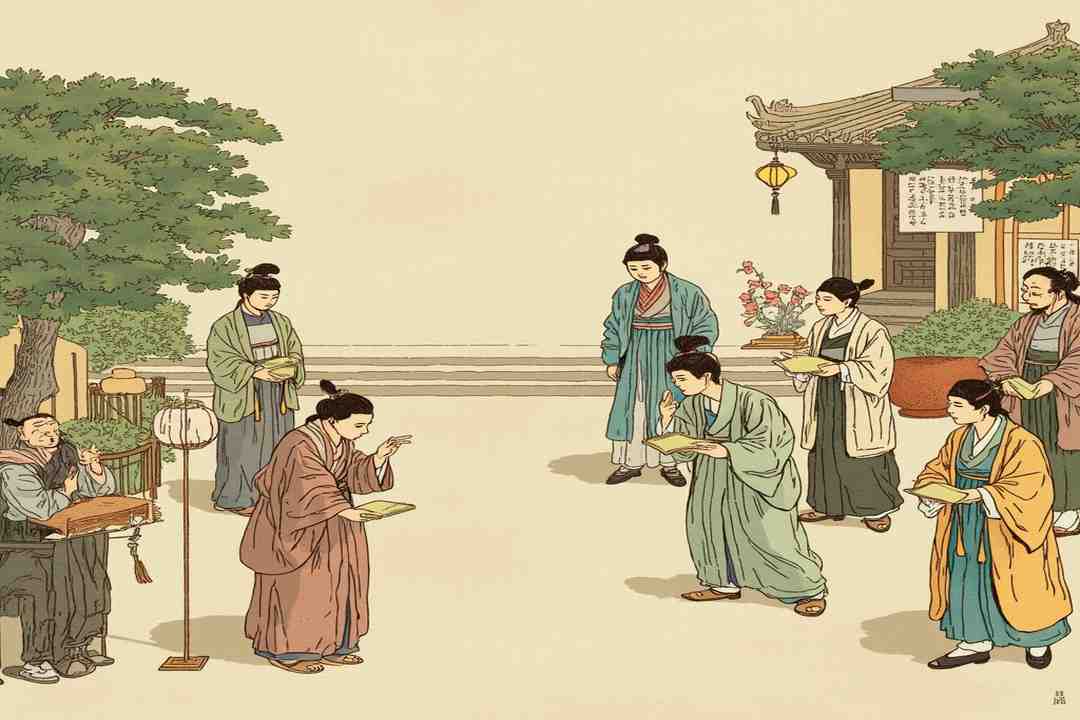
The Story Behind shi ban gong bei idiom
The shi ban gong bei idiom has its roots in the Warring States period (475–221 BCE), a time of political upheaval and philosophical innovation in ancient China. It originates from the *Book of Mengzi*—one of the Four Books of Confucianism, attributed to the philosopher Mencius, a key figure in Confucian thought.
The story centers on Mencius’s advice to King Xuan of Qi, a ruler who had recently won a small military victory and was eager to expand his kingdom through further warfare.
Mencius warned King Xuan that constant battles would exhaust his people, drain the kingdom’s resources, and alienate neighboring states. Instead, he proposed a different approach: governing with benevolence (ren zheng) to win the loyalty of the masses and foster stability.
In this discussion, Mencius used the phrase that would later become the idiom: “To achieve double results with half the effort is to act in accordance with the times.” This line emphasized that strategic, ethical action aligned with natural and social rhythms would yield far greater outcomes than forced, short-sighted effort. Shi Ban Gong Bei IdiomOver centuries, this advice evolved into the concise four-character idiom we know today, becoming a staple of Chinese language and culture for its timeless lesson on efficiency.
What shi ban gong bei idiom (事半功倍) Really Means
At its core, the shi ban gong bei idiom is about working smart, not just working hard. The literal translation (“half effort, double results”) captures the idea that using thoughtful, strategic methods can produce outcomes that are twice as effective as those achieved through conventional, unplanned effort.
Crucially, it does not mean avoiding effort entirely—instead, it redirects effort to high-impact areas.
For example, a student who crams for 8 hours straight before an exam might earn a B, but a peer who uses 4 hours of active recall (quizzing themselves, focusing on weak areas) and spaced repetition could master the material well enough to get an A. This is a perfect illustration of the idiom in action: less time spent, better results.
Language experts note that this nuance makes the idiom particularly accessible to learners, as it aligns with modern values of work-life balance and efficiency. Shi Ban Gong Bei IdiomA common expert tip for beginners is to focus on the “strategy over effort” core, rather than misinterpreting it as a shortcut to success.
How to Use shi ban gong bei idiom in Conversation
The shi ban gong bei idiom is versatile, fitting seamlessly into work, parenting, and daily life scenarios. Below are 4 practical examples of its use in real sentences:
- Work Scenario: “I used to spend 2 hours every Friday organizing weekly reports, but now I use a standardized template and batch-process similar tasks. Shi Ban Gong Bei IdiomThis approach has been shi ban gong bei—cutting my time in half while improving accuracy.”
- Parenting Scenario: “My 7-year-old struggled to memorize Chinese characters for homework, so instead of making her write each character 10 times, we played a picture-matching game during dinner. Shi Ban Gong Bei IdiomIn 15 minutes, she mastered 5 new characters—total shi ban gong bei.”
- Project Management Scenario: “When planning our team’s product launch, we delegated routine tasks to junior members and focused on refining the client’s core needs. Shi Ban Gong Bei IdiomWe finished a week early and under budget, and the launch exceeded sales targets by 30%—definitely shi ban gong bei.”
- Daily Life Scenario: “I prepped my lunches for the entire workweek on Sunday night, so I don’t waste 30 minutes each morning deciding what to eat. Shi Ban Gong Bei IdiomThis small habit is shi ban gong bei, giving me extra time to read before work.”
A common mistake learners make is using the idiom to describe any task that saves time. For instance, saying “I took a shortcut to the store, so it was shi ban gong bei” is incorrect—this only describes a shorter route, not achieving a superior result through smart strategy.
Shi Ban Gong Bei IdiomThe idiom should only be used when you get more (better) outcomes with less effort, not just less time.
Why shi ban gong bei idiom Matters Today
In our fast-paced, productivity-focused world, the shi ban gong bei idiom is more relevant than ever. For overseas Chinese parents, it’s a valuable tool to teach children about time management and smart study habits, rather than pushing them to cram or overwork.
For professionals, it offers a framework to balance heavy workloads with work-life balance, avoiding burnout while achieving goals.
The idiom also serves as a bridge between Chinese culture and global audiences. Its English equivalent (“work smarter, not harder”) is widely recognized, but the shi ban gong bei idiom adds a cultural layer that highlights the importance of strategic, ethical action—rooted in ancient Confucian wisdom.
For language learners, mastering this idiom opens doors to understanding common Chinese expressions and participating in natural conversations.
Related Idioms
The shi ban gong bei idiom is easier to understand when compared with nearby Chinese expressions about efficiency, method, and results.
- 一举两得 (yī jǔ liǎng dé): This idiom means achieving two goals with one action. It is close to shi ban gong bei because both expressions describe getting more value from one well-chosen action.
- 省时省力 (shěng shí shěng lì): This phrase means saving time and effort. It is not always treated as a formal four-character chengyu, but it helps explain the practical idea behind shi ban gong bei.
- 事半功倍 (shì bàn gōng bèi): This is the Chinese idiom discussed in this guide. It describes a situation where the method is efficient enough to produce better results with less effort.
English Equivalent
The closest English expression is “work smarter, not harder.” It is not a Chinese idiom, so it should be read as an English equivalent rather than as part of the related Chinese idiom list.

Frequently Asked Questions
What is the origin of shi ban gong bei idiom?
The idiom “shi ban gong bei” (Chinese: 事半功倍) originated in the Warring States period, with its core concept first recorded in the classic text *Mencius · Lou Zhang Xia*.
The story behind it comes from a conversation between philosopher Mencius and King Xuan of Qi: Mencius told the king that if a ruler chose the right method, he could achieve greater results with less wasted effort, the issue was method and judgment matter as much as effort.
What does shi ban gong bei idiom mean in plain English?
In plain English, “shi ban gong bei” describes a situation where someone expends twice the amount of time, energy, or effort to complete a task or reach a goal, but only achieves half the desired or expected outcome.
It emphasizes inefficiency, usually caused by poor planning, wrong methods, or unnecessary obstacles that make work far harder than it needs to be.
How do you use shi ban gong bei idiom in a sentence?
A natural example sentence is: “I tried to finish my entire work presentation in one night without creating an outline first, which was shi ban gong bei—I stayed up 11 hours drafting disjointed slides and only ended up with a third of the content that was actually useful.”
What is the literal meaning of shi ban gong bei idiom?
The literal meaning of the idiom, broken down by its individual Chinese characters, is “double the work, half the result”.
Each character corresponds to a key term: 事 (shì) refers to the effort or task undertaken, 倍 (bèi) means twice as much, 功 (gōng) is the outcome or achievement gained, and 半 (bàn) is half.
Can shi ban gong bei idiom be used in formal writing?
Yes, “shi ban gong bei” is appropriate for formal writing, especially in contexts related to productivity, project management, work strategy, or academic discussions about efficiency.
Its clear, concise meaning makes it a useful term in formal essays, research papers, or professional reports when critiquing approaches that lead to unnecessary inefficiency; if used for readers unfamiliar with Chinese idioms, a brief explanation of its meaning can be added for clarity.
One Last Thing
The shi ban gong bei idiom is more than just a phrase—it’s a practical guide for navigating busy modern life. Whether you’re helping your child study, managing a work project, or planning daily routines, remembering to prioritize strategic effort over unplanned work can help you achieve more without feeling overwhelmed.
As you start using this idiom in conversations, focus on its core message: smart action leads to greater results. Keep this guide handy, and you’ll be incorporating this timeless wisdom into your English and Chinese interactions in no time.