诲人不倦 (hui ren bu juan idiom). If you’ve ever looked for a Chinese idiom to describe someone who teaches with endless patience and dedication, the hui ren bu juan idiom is a perfect fit.
Quick Answer
Hui ren bu juan idiom means teaching patiently without becoming tired of guiding others; the story is most useful when readers connect the phrase with steady instruction, humility, and repeated practice.
Basic Facts
- Topic: Hui ren bu juan idiom meaning and use
- Best use: Chinese idiom learning, classroom examples, and character education
- Main check: Explain meaning, source context, story lesson, and modern sentence use
- Common mistake: Treating the idiom as praise for any busy teacher without showing patient guidance
Quick reference: hui ren bu juan idiom = patient teaching + repeated guidance + moral example + modern sentence use.
This four-character phrase is one of the most widely recognized in the Chinese language, celebrated for capturing the timeless value of commitment to guiding others’ growth. For anyone learning Chinese idioms or exploring Chinese cultural values, understanding hui ren bu juan offers insight into the core principles of Confucian thought and its modern relevance.
Whether you’re a parent teaching a child, a mentor guiding a new colleague, or simply curious about how to describe someone’s selfless dedication, this idiom provides a precise, vivid way to do so.
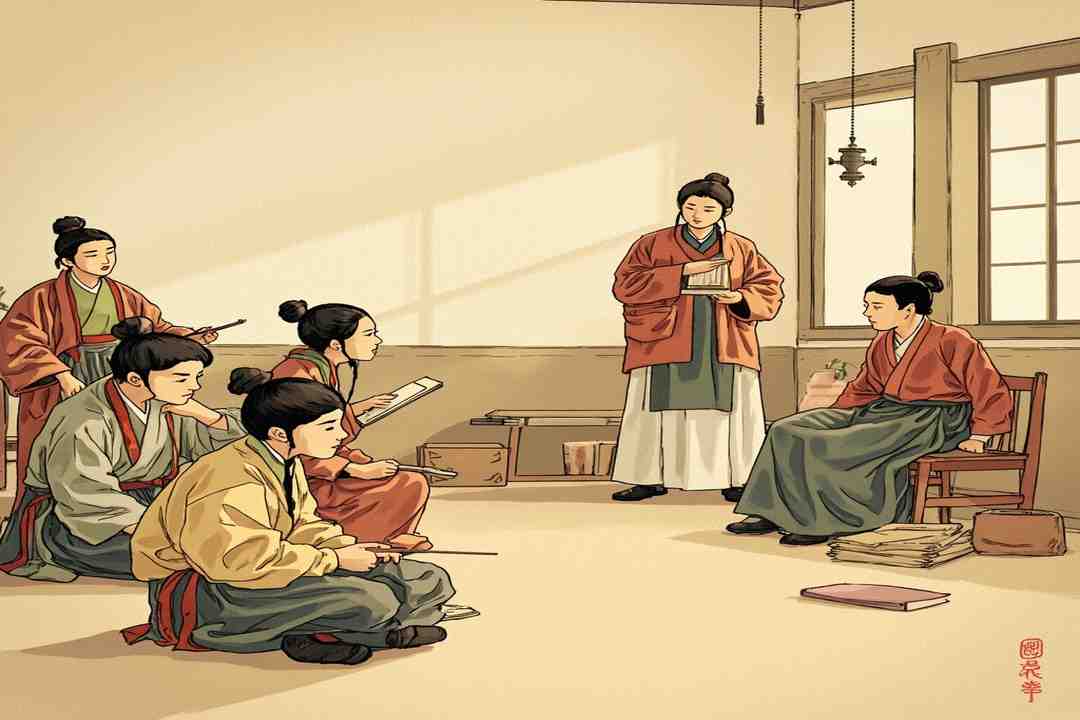
The Story Behind hui ren bu juan idiom
The origin of the hui ren bu juan idiom is rooted in one of China’s most important classical texts: the Analects of Confucius (Lun Yu). Compiled in the Spring and Autumn Period (770–476 BCE) by Confucius’ disciples, the Analects records conversations, teachings, and daily practices of the philosopher Confucius, who is widely regarded as a foundational figure in Chinese ethics and education.
The idiom appears in Book 7, Verse 2 of the text, where Confucius reflects on his own approach to learning and teaching. He states: “I am not one who is born with knowledge; I love antiquity and am diligent in seeking it.
I do not grow weary of teaching others.” This line encapsulates Confucius’ belief that education is not a task for a select few, but a lifelong commitment that requires patience and persistence. Unlike many phrases that were created to praise historical figures, hui ren bu juan was originally a self-description from Confucius himself, making it a personal testament to his philosophy of teaching.
Over centuries, this phrase evolved from a personal reflection into a widely used idiom that describes anyone’s tireless dedication to educating others.
What hui ren bu juan idiom (诲人不倦) Really Means
To understand the hui ren bu juan idiom fully, it helps to break down its literal and figurative meanings. The literal translation of each character is: hui (诲) = to teach, ren (人) = people, bu (不) = not, juan (倦) = tired.
Combined, the literal meaning is “to teach people without tiring.” The figurative meaning, which is the most common usage today, is far broader: it refers to a person’s tireless dedication to educating, mentoring, or guiding others, regardless of the setting or context.
Basic Facts Table
| Field | Content | |—|—| | Chinese Characters | 诲人不倦 | | Pinyin | huì rén bù juàn | | Literal Meaning | Teach people without tiring | | Figurative Meaning | Tireless dedication to teaching/guiding others’ growth | | Core Context | Describes someone’s patient, persistent approach to educating or mentoring | | Common Misuse | Restricting the idiom only to formal classroom teachers |
A key common mistake learners make with the hui ren bu juan idiom is limiting its use to professional teachers, like K-12 instructors or university professors. In reality, the phrase applies to any situation where someone is guiding another person’s learning or development.
For example, a senior colleague helping a new hire learn company processes, a parent tutoring their child in math, or a community volunteer teaching seniors to use smartphones all fit the description of being hui ren bu juan. This mistake often happens because learners associate the idiom’s origin with Confucius, a formal teacher, but its modern usage is flexible and inclusive.
Expert judgment note: Beginners to Chinese idioms should prioritize using hui ren bu juan in contexts related to guiding others’ learning to avoid misapplication, as the phrase’s flexibility can lead to overuse in unrelated scenarios.
How to Use hui ren bu juan idiom in Conversation
The hui ren bu juan idiom is versatile, working in both formal and informal contexts. Below are four practical examples of how to use it in everyday speech:
- Formal Work Context: When describing a mentor at your job, you might say: “My team’s lead engineer is hui ren bu juan—she spends extra time walking new hires through every project step to ensure they feel confident.”
- Family Context: Talking about a parent who tutors their child, you could say: “Even when my sister struggled with piano lessons for months, our mom was hui ren bu juan, practicing with her every evening until she mastered the pieces.”
- Community Setting: Discussing a local volunteer, you might mention: “The elderly librarian at our neighborhood center is hui ren bu juan; every Saturday, he teaches seniors how to use tablets to video-call their grandchildren.”
- Academic Context: Describing a favorite teacher, you could say: “Ms. Hui Ren Bu Juan IdiomWang, my high school history teacher, was hui ren bu juan—she stayed after school every Wednesday to help students prepare for college entrance exams, no matter how busy she was.”
These examples show that the idiom works across different scenarios, as long as the core quality of tireless dedication to guiding others is present. Hui Ren Bu Juan IdiomIt’s important to note that the phrase is typically used to praise someone’s actions, not to describe one’s own behavior (though Confucius used it to do so in the Analects, modern usage is more often third-person praise).
Why hui ren bu juan idiom Matters Today
In a world where quick results and efficiency are often prioritized, the hui ren bu juan idiom reminds us of the value of patience and dedication in education and mentorship. Today, the phrase is more relevant than ever, as roles like online educators, corporate mentors, and community volunteers rely on these exact qualities.
For example, during the COVID-19 pandemic, many teachers adapted to online learning, and their hui ren bu juan spirit helped students stay connected and supported. Similarly, in workplaces, mentorship programs that use tireless guidance help new employees integrate faster and feel valued, which boosts team productivity and retention.
For parents, understanding the hui ren bu juan idiom can also help frame how they support their children’s learning. It encourages patience when kids struggle, rather than giving up or becoming frustrated.
This aligns with Confucian values that emphasize lifelong learning and mutual support between generations.
Related Idioms
There are several Chinese idioms that are similar to hui ren bu juan, but with distinct meanings that are important to note:
- Zhi Ren Bu Juan (知仁不倦): This idiom, which translates to “not tired of practicing benevolence,” has a different focus than hui ren bu juan. While hui ren bu juan is about teaching others, zhi ren bu juan is about one’s own moral practice.
- Hui Ren Bu Juan Idiom It comes from the same Analects verse, but refers to Confucius’ dedication to living a benevolent life, not teaching it.
- Jiao Wu Qiong Jin (教无穷尽): This phrase means “teaching has no limits.” Unlike hui ren bu juan, which focuses on the teacher’s tirelessness, jiao wu qiong jin emphasizes the endless nature of learning—there is always more to teach or learn.
- Men Ren Ru Zi (门仁如子): This idiom describes a teacher who treats their students like their own children, a quality that often pairs with hui ren bu juan, as both emphasize care and dedication to students.
These related idioms help clarify the unique role of hui ren bu juan, which stands out for its focus on the teacher’s persistent effort rather than the subject matter or the student-teacher bond.
Frequently Asked Questions
What is the origin of hui ren bu juan idiom?
The idiom “hui ren bu juan” (Chinese: 诲人不倦) originates from *The Analects of Confucius*, a foundational text of Confucianism compiled from the sayings of ancient Chinese philosopher Confucius.
Confucius used this phrase to describe his own core teaching philosophy, emphasizing his unwavering dedication to educating others regardless of their background or the number of times he repeated lessons.
What does hui ren bu juan idiom mean in plain English?
In plain English, “hui ren bu juan” means to be tireless in teaching or educating others.
It refers to a person who is consistently patient, enthusiastic, and never grows weary of sharing knowledge, skills, guidance, or moral principles with those who need instruction.
How do you use hui ren bu juan idiom in a sentence?
A natural example sentence is: “Our community center’s volunteer tutor is hui ren bu juan—she spends two hours every weekend helping elderly neighbors learn to use smartphones, even when they ask the same basic questions multiple times.”
What is the literal meaning of hui ren bu juan idiom?
The literal meaning comes from breaking down its individual Chinese characters: 诲 (hui) = to teach, 人 (ren) = people, 不 (bu) = not, and 倦 (juan) = to tire or be weary.
Literally, the phrase translates to “not tiring of teaching people.”
Can hui ren bu juan idiom be used in formal writing?
Yes, “hui ren bu juan” is highly appropriate for formal writing.
As a well-respected classical Chinese idiom tied to Confucian educational ethics, it is commonly used in formal contexts such as academic essays on education, speeches about teaching professionalism, or polished articles discussing the value of dedicated instruction, as it carries a respectful, traditional connotation suitable for serious, formal work.
One Last Thing
The hui ren bu juan idiom is more than just a four-character phrase—it’s a reflection of a timeless value: the importance of dedicating oneself to helping others learn and grow. Whether you’re describing a teacher, a mentor, or a family member who never gives up on guiding you, this idiom provides a concise, powerful way to express that appreciation.
By understanding its origin, meaning, and correct usage, you can use it to communicate effectively in Chinese, while also connecting to a rich tradition of Confucian thought that continues to resonate today.
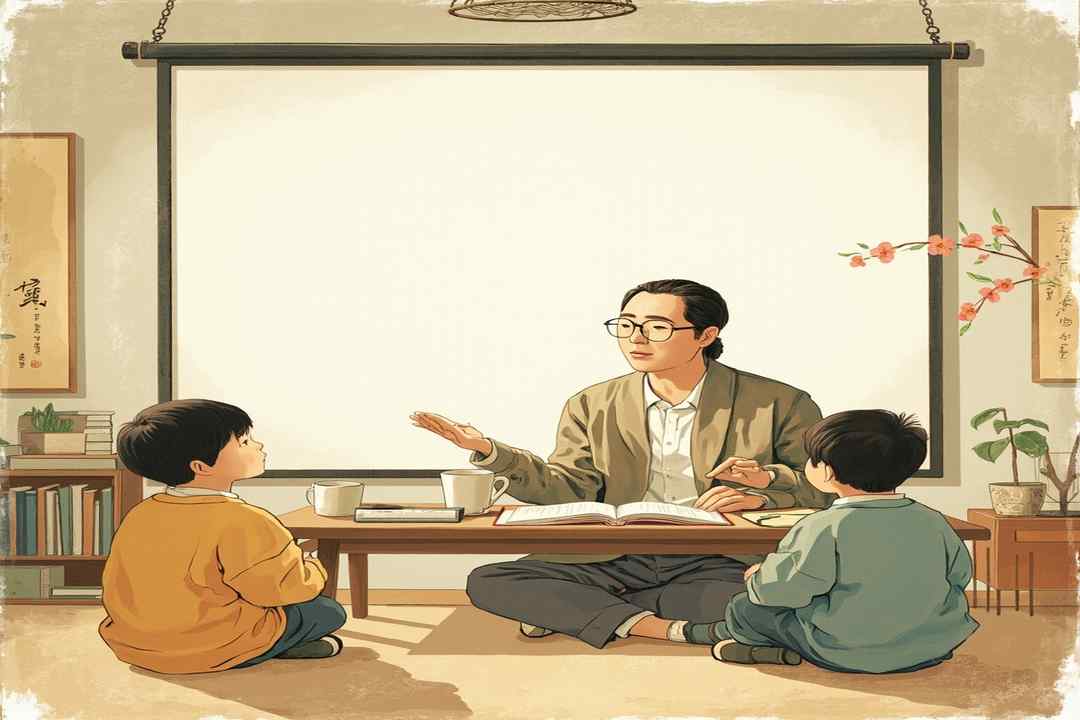
The Hui Ren Bu Juan Idiom idiom encapsulates wisdom from ancient China. Hui Ren Bu Juan Idiom continues to appear in modern Chinese writing and everyday speech. Learning Hui Ren Bu Juan Idiom helps English speakers appreciate classical Chinese expression.
How Did Shou Bu Shi Juan Idiom Become a Popular Idiom? What Qu Chang Bu Duan Idiom Means and How to Use It Yi Si Bu Gou Idiom: Story, Meaning, and Example Sentences Wikipedia