If you’ve ever sat down with your child to help them with a school project, only to fumble when they ask what a phrase like “adding feet to a snake” means—chances are you’re encountering a Chinese idiom story that’s part of the core of chengyu, or Chinese four-character idioms. This guide to a chinese idiom stories book will help you navigate their meanings, origins, and how to use them naturally in conversation or learning.
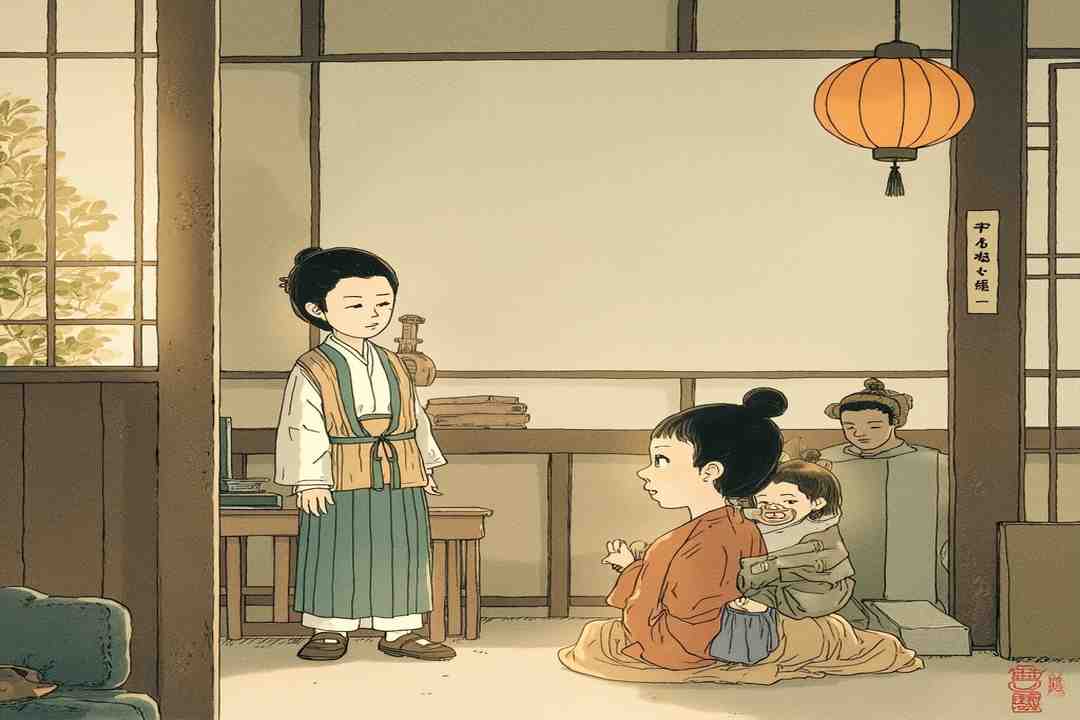
What chinese idiom stories book Means
A chinese idiom stories book is more than a collection of phrases—it’s a curated resource that pairs each chengyu with its historical or folk tale, not just a dry definition. Designed for learners, parents, and educators, these books bridge cultural gaps by explaining the context behind each idiom, making ancient wisdom relatable to modern audiences.
Unlike generic phrasebooks, they focus on the stories that give chengyu their depth, helping readers understand why a phrase like “waiting by a tree for a rabbit” means relying on luck instead of effort. For families, these books turn abstract language lessons into engaging, memorable tales that stick with kids long after they close the cover.
How Chinese Idioms and Chengyu Work
Chengyu are a unique part of the Chinese language, almost always consisting of exactly four characters with a fixed structure and a specific origin. Most come from historical events, philosophical texts, or folk stories dating back to China’s Warring States period (475–221 BCE) and Han Dynasty (206 BCE–220 CE)—unlike many English idioms, which are colloquial and often have obscure roots.
For example, take 画蛇添足 (huà shé tiān zú), which translates to “adding feet to a snake.” The story goes that two men competed to draw a snake; one finished first, but added unnecessary feet to his drawing, losing the prize wine because snakes don’t have feet. Today, this idiom means doing something superfluous that ruins a good outcome—similar to the English phrase “gilding the lily.” For a more comprehensive breakdown of chengyu origins, you can refer to the authoritative Dictionary of Chinese Idioms from the China International Publishing Group, a leading source for Chinese cultural content.
Chinese Idiom Stories BookYou can read the full story behind 画蛇添足 on its dedicated single-page entry.
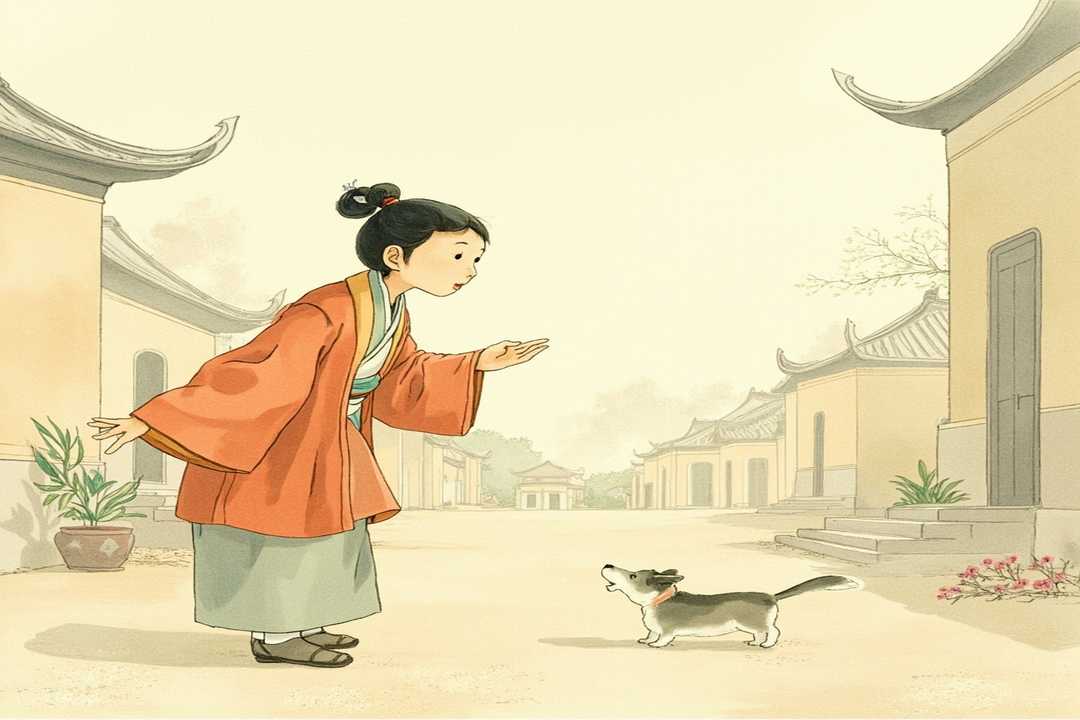
Common Examples Worth Learning First
When starting out with a chinese idiom stories book, focus on idioms with clear, visual stories that are easy to connect to daily life. Here are five essential ones:
- 守株待兔 (shǒu zhū dài tù): Meaning “waiting by a tree for a rabbit.” The story tells of a farmer who found a rabbit that died after hitting a tree. He abandoned his fields to wait for more rabbits, only to lose his crops.
- Chinese Idiom Stories BookThe idiom means relying on luck instead of consistent effort.
- 狐假虎威 (hú jiǎ hǔ wēi): Meaning “the fox borrowing the tiger’s might.” A fox tricked a tiger into thinking he was the king of all animals by walking in front of him. Other animals ran away scared of the tiger, not the fox—so the fox used the tiger’s power to intimidate others.
- Chinese Idiom Stories BookThis idiom means using someone else’s authority to bully or impress.
- 掩耳盗铃 (yǎn ěr dào líng): Meaning “covering ears to steal a bell.” A man tried to steal a bell from a house, but knew it would ring loudly. He covered his own ears, thinking no one else would hear it—only to get caught.
- Chinese Idiom Stories BookThe idiom refers to deceiving oneself to avoid facing the truth.
- 刻舟求剑 (kè zhōu qiú jiàn): Meaning “carving a boat to find a sword.” A man dropped his sword from a moving boat. He carved the spot where it fell into the boat, planning to retrieve it when the boat stopped.
- He never found the sword, since the boat moved while the sword stayed in the water. Chinese Idiom Stories BookThis idiom means being rigid and failing to adapt to changing circumstances.
- 亡羊补牢 (wáng yáng bǔ láo): Meaning “mending the pen after losing a sheep.” A shepherd lost sheep because his pen had a hole. After losing more sheep, he fixed the hole, and no more sheep escaped.
- Chinese Idiom Stories BookThe idiom means fixing a problem after it starts—better late than never.
How to Remember and Use Them Naturally
The best way to get the most out of a chinese idiom stories book is to link each idiom to its story, not just memorize its definition. For example, if your child is rushing through homework and making careless mistakes, you can say, “Don’t act like the man who carved his boat for his sword—you need to adapt your work habits instead of sticking to your old, messy way.” A key expert tip for beginners: Start with idioms that have concrete, visual stories (like the ones above) rather than abstract ones, as this makes them easier to remember.
When using idioms in conversation, keep sentences short and simple—forcing complex idioms into formal writing can feel unnatural, especially for new learners. It’s also helpful to explain the story briefly when using an idiom with someone unfamiliar with Chinese culture, to ensure your meaning comes across clearly.

Related Idiom Stories to Read Next
Once you’ve mastered the basics, expand your collection with these four more idioms from a quality chinese idiom stories book:
- 闻鸡起舞 (wén jī qǐ wǔ): Meaning “hearing a rooster crow and rising to practice.” Two ancient generals trained every time they heard a rooster crow, to prepare for war. Chinese Idiom Stories BookThis idiom means being diligent and dedicated to your goals.
- 凿壁偷光 (záo bì tōu guāng): Meaning “chipping a wall to steal light.” A poor student in ancient China couldn’t afford candles, so he chipped a small hole in his neighbor’s wall to read by their light. Chinese Idiom Stories BookThis idiom refers to studying hard despite difficult circumstances.
- 叶公好龙 (yè gōng hào lóng): Meaning “Lord Ye’s love for dragons.” Lord Ye decorated his entire house with dragons, but when a real dragon visited his home, he ran away in fear. Chinese Idiom Stories BookThis idiom means pretending to like something you don’t actually care about.
- 对牛弹琴 (duì niú tán qín): Meaning “playing the lute to a cow.” A musician played beautiful music for a cow, which didn’t react at all. Chinese Idiom Stories BookThis idiom means wasting time explaining something to someone who can’t understand it.
Explore more chengyu stories by visiting our core Chinese idiom stories hub page.
Frequently Asked Questions
What is the origin of chinese idiom stories book?
The tradition of compiling Chinese idiom stories books stretches back over two millennia to ancient China, where oral folklore and historical records preserved narratives explaining the origins of chengyu (Chinese idioms).
The earliest surviving written collections of these stories date to the Han Dynasty (206 BCE – 220 CE), with later dynasties like the Tang and Song expanding these anthologies to include idioms from literature, philosophy, and imperial history, making them core educational tools for teaching cultural literacy.
What does chinese idiom stories book mean in plain English?
A Chinese idiom stories book is a reference work that collects short, engaging narratives to explain the meaning, context, and correct usage of common Chinese idioms (chengyu).
It goes beyond just defining phrases by linking them to historical events, famous characters, or moral lessons, helping readers grasp how idioms function in everyday Chinese speech and writing.
How do you use chinese idiom stories book in a sentence?
Example: “For her paper on Chinese cultural rhetoric, the student cited a well-researched Chinese idiom stories book to illustrate how idioms reflect traditional Confucian values of perseverance and humility.”
What is the literal meaning of chinese idiom stories book?
Literally, the term refers to a bound collection of written content focused on stories about Chinese idioms.
Breaking it down: “Chinese” denotes the cultural or linguistic context of the idioms, “idiom stories” are the short narratives explaining each phrase’s origin, and “book” is the physical or digital collection of these stories.
Can chinese idiom stories book be used in formal writing?
Yes, it is appropriate for formal writing, particularly in academic fields like Chinese language studies, cultural anthropology, or comparative literature.
It is commonly used to cite historical sources of idiom usage, support arguments about cultural values, or reference educational resources for language learners.
However, it is important to clarify the term if the audience is not familiar with Chinese language resources to avoid ambiguity.
One Last Thing
A chinese idiom stories book is more than a learning tool—it’s a way to connect with Chinese culture through timeless, relatable stories. Each idiom carries a lesson that has been passed down for thousands of years, offering insights into perseverance, humility, and common sense.
Whether you’re a parent teaching your child, a student learning a new language, or someone curious about global cultures, these stories add depth to your understanding of language and life. Take the time to explore a few stories, use them in your daily conversations, and you’ll find that chengyu are a fun and meaningful way to enrich your communication.
A strong Chinese Idiom Stories Book page should help readers move from broad discovery to specific Chinese idiom stories. Chinese Idiom Stories Book works best when it connects meanings, examples, pronunciation, and related idioms in one useful path. For learners, Chinese Idiom Stories Book should function as a practical entry point rather than a loose list of phrases.
The Hidden Meaning of 20 Common Chinese Idioms Pdf For Kids 7 Things About Qing Guo Qing Cheng Idiom That Will Change Ho 7 Things About Kou Ruo Xuan He Idiom That Will Change How Yo Wikipedia