铁杵成针 (tie chu cheng zhen idiom). The tie chu cheng zhen idiom is one of the most beloved and widely used Chinese idioms, carrying a timeless message that resonates across cultures and generations.
For anyone who has ever faced a seemingly insurmountable goal, this phrase offers a reminder that consistent, unwavering effort can turn even the most impossible tasks into reality. Originating from a classic anecdote in Chinese history, it has been passed down through oral traditions and written texts, becoming a staple in Chinese language learning, education, and everyday conversation.
Whether you are a student navigating a rigorous curriculum, a professional building a career, or someone working toward a personal dream, understanding the depth and application of the tie chu cheng zhen idiom can provide valuable insight into the power of persistence.
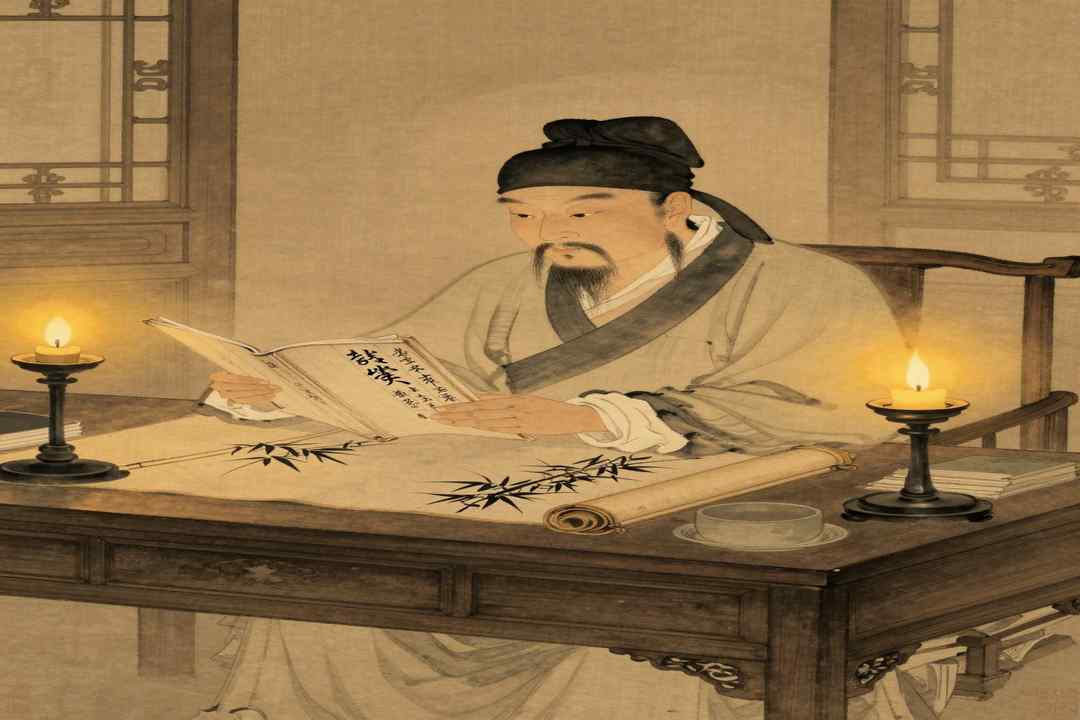
The Story Behind tie chu cheng zhen idiom
The origin of the tie chu cheng zhen idiom dates back to the Tang Dynasty (618–907 CE), a period of immense cultural and literary flourishing in China. The anecdote centers on Li Bai, one of China’s most celebrated poets, known for his romantic and adventurous verses that still inspire readers today.
As a young boy, Li Bai was known for his short attention span and dislike of formal studies. One day, feeling overwhelmed by his lessons, he skipped class and wandered outside the village, eventually coming to a small stream.
There, he spotted an elderly woman sitting by the bank, grinding a thick iron pestle—a heavy, cylindrical tool used for pounding grains or herbs—with a rough stone. Curious, Li Bai approached her and asked what she was doing.
The old woman replied that she was grinding the iron pestle into a needle, a common household item used for sewing. Li Bai was stunned, pointing out that an iron pestle was hundreds of times heavier and thicker than a needle, and the task would take an eternity to complete.
The old woman smiled and said, “As long as I keep grinding every day, no matter how slowly, the pestle will eventually become a needle.” Her words struck Li Bai deeply, teaching him the power of consistent effort. He returned to his studies with renewed focus, eventually becoming the legendary poet he is remembered as.
This story was first recorded in the Song Dynasty (960–1279 CE) text Xiang Shan Ye Lu (香山夜录), written by scholar Cheng Dachang, which documents various folk tales and historical anecdotes of the time. This specific historical detail gives the tie chu cheng zhen idiom credibility and context, making it more than just a metaphor—it is a story of transformation that shaped one of China’s greatest minds.
What tie chu cheng zhen idiom (铁杵成针) Really Means
The tie chu cheng zhen idiom translates literally to “grind an iron pestle into a needle”. But its figurative meaning is far more profound, and this is how it is used in modern Chinese.
At its core, the idiom conveys the idea that any goal, no matter how large or difficult, can be achieved through persistent, steady effort over time. It emphasizes that success is not a result of innate talent alone, but of consistent, daily action that builds momentum.
Unlike phrases that glorify overnight success or extreme, short-term bursts of effort, tie chu cheng zhen idiom focuses on sustainability. It reminds people that even small, incremental steps, when taken regularly, add up to significant results.
For example, grinding an iron pestle into a needle does not require working 24 hours a day—it requires a few minutes of effort each day, repeated over weeks, months, or even years. This distinction is key to understanding why the idiom remains relevant today: it encourages balance and consistency, not burnout or overexertion.
It also implies that obstacles are temporary, and with enough dedication, even the most daunting challenges can be overcome.
How to Use tie chu cheng zhen idiom in Conversation
The tie chu cheng zhen idiom is versatile and can be used in both formal and informal contexts in Chinese. It is often used to encourage someone who is struggling with a long-term project or to reflect on one’s own efforts toward a goal.
Here are four practical examples of how to use it in everyday conversation: 1. For a student preparing for a high-stakes exam: “I’ve been practicing math problems for three hours every day for the past year, and I know that the tie chu cheng zhen idiom will help me score well on the gaokao.” 2.
For a small business owner building a brand: “Opening a specialty tea shop in a neighborhood with three existing cafes felt impossible at first, but I remembered the tie chu cheng zhen idiom and kept refining my tea blends and hosting free tasting events. Now, we have a loyal group of regulars who visit every weekend.” 3.
For an adult learning a new language: “When I started learning Mandarin six months ago, I could barely order coffee without stumbling over words. But I apply the tie chu cheng zhen idiom by practicing speaking for 15 minutes every morning, and now I can hold full conversations with native speakers.” 4.
For someone working on a long-term fitness goal: “Losing 50 pounds in six months seemed like a pipe dream when I started. But sticking to my daily walk and balanced diet, I’ve made steady progress—the tie chu cheng zhen idiom really works for goals that take time.” These examples show that the idiom is not limited to academic or professional contexts; it applies to any pursuit that requires patience and consistency, from personal hobbies to health goals.
Why tie chu cheng zhen idiom Matters Today
In an era of instant gratification, where social media promises viral success, streaming services offer on-demand entertainment, and quick-fix solutions are marketed for every problem, the tie chu cheng zhen idiom feels more important than ever. Modern culture often glorifies “hustle culture” that demands non-stop productivity, but this can lead to burnout, anxiety, and a sense of failure when goals are not achieved immediately.
The tie chu cheng zhen idiom offers a counter-narrative: it teaches that success is a journey, not a destination, and that small, consistent efforts are far more valuable than occasional, intense bursts of work. For students, this means focusing on daily study habits rather than cramming for exams at the last minute.
For professionals, it means building skills over years rather than chasing quick promotions. For anyone pursuing a personal dream—whether it’s writing a book, learning an instrument, or starting a family—the idiom reminds them that setbacks are part of the process, and as long as they keep moving forward, they will eventually reach their goal.
It also promotes resilience, helping people stay motivated when progress is slow, a skill that is critical for long-term success in any field.
Related Idioms
Several Chinese idioms share the same core message of persistence and consistency as the tie chu cheng zhen idiom, making them useful to know for anyone learning the language: 1. Shui Di Shi Chuan (水滴石穿): Translating to “water dripping wears through stone”, this idiom is almost identical in meaning to tie chu cheng zhen idiom.
It emphasizes that even the smallest, most regular efforts can overcome great resistance. 2.
Gong Dao Zi Ran (功到自然成): Meaning “when the effort is done, success comes naturally”, this idiom highlights that success follows consistent work, rather than being forced. It aligns closely with the idea that grinding an iron pestle into a needle will naturally result in a needle over time.
3. Zhi Zhu Si Ju (蜘蛛结网): Literally “a spider weaving a web”, this idiom uses the image of a spider’s steady, repeated work to convey persistence.
Like the old woman grinding the pestle, the spider’s small, daily actions build something meaningful. These idioms are often used interchangeably with tie chu cheng zhen idiom, depending on the context, and they all reinforce the timeless value of patience and consistent effort.
Frequently Asked Questions
- Is tie chu cheng zhen idiom only used for academic or professional goals? No, the idiom is versatile and applies to any long-term pursuit, including personal hobbies, health goals, creative projects, and family life.
- It is used to encourage consistency in almost any area of life. 2.
- What is a common mistake learners make when using the tie chu cheng zhen idiom? One of the most frequent mistakes is misinterpreting the idiom as requiring extreme, non-stop effort (like working 12+ hours a day without rest).
- The original story emphasizes steady, daily effort, not overexertion. Another common mistake is misattributing the story to the wrong historical figure—some learners confuse Li Bai with Confucius or other ancient Chinese figures, which is incorrect.
- The story is specifically tied to Li Bai’s youth and his transformation into a poet. 3.
- Can tie chu cheng zhen idiom be used in formal writing? Yes, the idiom is widely accepted in formal contexts, including essays, speeches, academic papers, and official documents.
- It is often used to support arguments about perseverance, education, or long-term planning. 4.
- Are there English idioms that have a similar meaning? Yes, several English phrases convey the same message, including “Rome wasn’t built in a day”, “Constant dripping wears away the stone”, and “Slow and steady wins the race”.
- These phrases are often used in the same way as the tie chu cheng zhen idiom to emphasize patience and consistency.
What is the origin of tie chu cheng zhen idiom?
The idiom “tie chu cheng zhen” originates from a famous anecdote about Li Bai, one of China’s most celebrated Tang Dynasty poets.
As a young, easily distracted student, Li Bai neglected his studies and often skipped class.
One day, he encountered an elderly woman by a riverbank grinding a thick iron pestle.
When Li Bai asked what she was doing, she replied she wanted to grind the pestle into a sewing needle.
Shocked by her extraordinary persistence, Li Bai realized he needed to apply himself consistently to achieve his goals, and he went on to become a legendary poet.
This story is recorded in classical texts like *Fang Sheng Deng Xian Zhuan* (Biographies of Immortals of the Fang and Sheng Eras).
What does tie chu cheng zhen idiom mean in plain English?
In plain English, “tie chu cheng zhen” means that even the most difficult or seemingly impossible task can be accomplished through unwavering patience, steady effort, and consistent persistence.
It highlights that small, dedicated actions over time can overcome huge challenges.
How do you use tie chu cheng zhen idiom in a sentence?
A natural example sentence is: “Mastering advanced calculus as a non-math major felt overwhelming at first, but I studied two hours every night for a year—tie chu cheng zhen, and I earned an A in the course.”
What is the literal meaning of tie chu cheng zhen idiom?
The literal meaning of “tie chu cheng zhen” is “to grind an iron pestle into a needle”.
Each character translates directly: “tie” = iron, “chu” = a heavy, blunt pestle (originally used for grinding grain or pounding materials), “cheng” = to turn into or become, and “zhen” = a thin sewing needle.
Can tie chu cheng zhen idiom be used in formal writing?
Yes, “tie chu cheng zhen” is entirely appropriate for formal writing.
It is a well-respected classical idiom with a clear, timeless message about persistence, making it suitable for academic essays, speeches, formal articles, and literary works.
It is not informal slang, so it fits seamlessly in contexts that call for concise, meaningful phrases about dedication and long-term effort.
One Last Thing
The tie chu cheng zhen idiom is more than just a phrase in Chinese—it is a lesson that has guided people for over a thousand years. In a world that often values speed and instant results, it reminds us that the most meaningful achievements come from small, daily actions taken with persistence and purpose.
Whether you are facing a challenging project at work, studying for an exam, or working toward a personal dream, the old woman grinding her iron pestle by the stream is a symbol that you too can turn even the most impossible goals into reality. All you need is consistency, patience, and the willingness to keep grinding, one small step at a time.

What is the origin of tie chu cheng zhen idiom?
The idiom "tie chu cheng zhen" originates from a famous anecdote about Li Bai, one of China’s most celebrated Tang Dynasty poets. As a young, easily distracted student, Li Bai neglected his studies and often skipped class. One day, he encountered an elderly woman by a riverbank grinding a thick iron pestle. When Li Bai asked what she was doing, she replied she wanted to grind the pestle into a sewing needle. Shocked by her extraordinary persistence, Li Bai realized he needed to apply himself consistently to achieve his goals, and he went on to become a legendary poet. This story is recorded in classical texts like *Fang Sheng Deng Xian Zhuan* (Biographies of Immortals of the Fang and Sheng Eras).
What does tie chu cheng zhen idiom mean in plain English?
In plain English, "tie chu cheng zhen" means that even the most difficult or seemingly impossible task can be accomplished through unwavering patience, steady effort, and consistent persistence. It highlights that small, dedicated actions over time can overcome huge challenges.
How do you use tie chu cheng zhen idiom in a sentence?
A natural example sentence is: "Mastering advanced calculus as a non-math major felt overwhelming at first, but I studied two hours every night for a year—tie chu cheng zhen, and I earned an A in the course."
What is the literal meaning of tie chu cheng zhen idiom?
The literal meaning of "tie chu cheng zhen" is "to grind an iron pestle into a needle". Each character translates directly: "tie" = iron, "chu" = a heavy, blunt pestle (originally used for grinding grain or pounding materials), "cheng" = to turn into or become, and "zhen" = a thin sewing needle.
Can tie chu cheng zhen idiom be used in formal writing?
Yes, "tie chu cheng zhen" is entirely appropriate for formal writing. It is a well-respected classical idiom with a clear, timeless message about persistence, making it suitable for academic essays, speeches, formal articles, and literary works. It is not informal slang, so it fits seamlessly in contexts that call for concise, meaningful phrases about dedication and long-term effort.