温故知新 (wen gu zhi xin idiom). If you’ve ever sat down to re-read a favorite book, go over old class notes, or revisit a past project to find a fresh solution, you’ve practiced the core idea behind the wen gu zhi xin idiom.
This classic Chinese phrase is one of the most widely used in both traditional and modern contexts, offering a simple yet powerful framework for learning, growth, and problem-solving. For anyone learning Chinese idioms (chengyu), understanding wen gu zhi xin is not just about memorizing a phrase—it’s about grasping a foundational principle of Chinese philosophy that has stood for over 2,500 years.
Whether you’re a student preparing for an exam, a professional updating a project, or a parent teaching your child, the wen gu zhi xin idiom provides a guide to making the most of past experiences.

The Story Behind wen gu zhi xin idiom
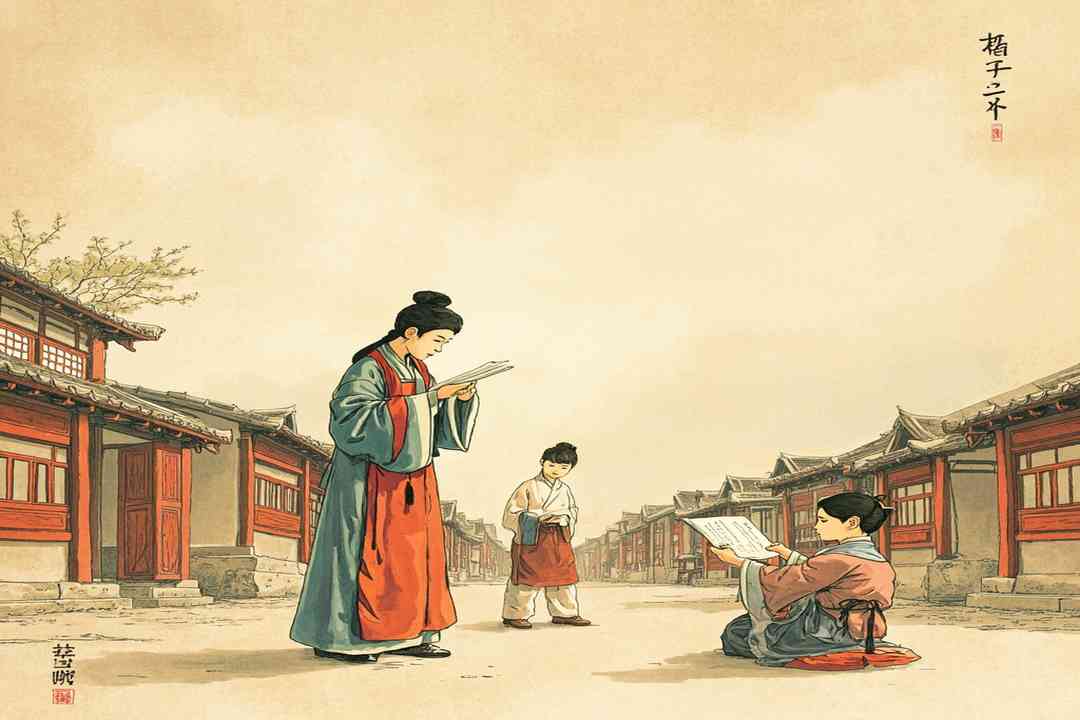
The wen gu zhi xin idiom has its roots in one of the most important texts in Chinese history: the *Analects (Lunyu)*, a collection of conversations and teachings from Confucius (551–479 BCE), a philosopher and educator from the Spring and Autumn period. Confucius emphasized that true learning is not about accumulating new information alone, but about connecting it to what is already known.
The exact line from the *Analects* is: “温故而知新,可以为师矣” (wen gu er zhi xin, ke yi wei shi yi), which translates to “By reviewing the old, one gains new insights—this makes one worthy of being a teacher.” This line reflects Confucius’s belief that a teacher should not only know their subject but also be able to draw new conclusions from past knowledge. For centuries, this idea has been central to Chinese education, shaping how students study and how educators design lessons.
To learn more about the origins of other classic chengyu, visit our Chinese idiom stories collection.
What wen gu zhi xin idiom Really Means
The literal translation of wen gu zhi xin is “review the old, gain new”. But its true meaning goes beyond surface-level review.
The idiom refers to the active process of revisiting past knowledge, experiences, or materials with a reflective mindset, rather than just re-reading or re-watching passively. When you practice wen gu zhi xin, you are looking for patterns, connections, or insights that you missed the first time around.
For example, a historian might revisit old documents to find a new angle on a well-known event, or a language learner might re-review an old chapter of a textbook to grasp a grammar rule they struggled with earlier. An important point for learners: the wen gu zhi xin idiom is not about repeating what you already know—it’s about growing through repetition.
If you only review without gaining something new, you are not truly applying the idiom. This is a key distinction that many new learners miss, which we will cover later.
For a deeper dive into the meanings of common chengyu, check our Chinese idiom meanings page.
How to Use wen gu zhi xin idiom in Conversation
The wen gu zhi xin idiom is versatile and can be used in many contexts, from casual chats to formal discussions. Here are 4 practical examples of how to use it correctly:
- Study context: “When I was preparing for my HSK exam last month, I used the wen gu zhi xin approach to re-review all the chengyu I learned in Level 1. Wen Gu Zhi Xin IdiomThis helped me connect their origins to modern usage, making them easier to remember.”
- Work context: “Our marketing team decided to wen gu zhi xin for our new campaign—we looked at last year’s data to identify which strategies worked and adjusted them for this year’s audience.”
- Parent-child learning: “To teach my 10-year-old about ancient China, I wen gu zhi xin by linking stories from the Three Kingdoms period to the video games he plays, so he could see real-world connections.”
- Personal growth: “Every Sunday, I spend 30 minutes wen gu zhi xin through my old journal entries. Wen Gu Zhi Xin IdiomThis helps me see how my past choices influenced my current goals, and adjust my plans accordingly.”
Now, the common mistake learners make: Many people new to Chinese idioms use wen gu zhi xin incorrectly by reducing it to just “reviewing old things”. For example, saying “I wen gu zhi xin by reading my old math homework” when you only re-read the problems without understanding why you made mistakes or gaining new insights.
Wen Gu Zhi Xin IdiomThe idiom requires both the act of reviewing and the outcome of gaining new knowledge or perspective—without that, the usage is wrong.
Why wen gu zhi xin idiom Matters Today
In a world that often prioritizes new information and quick solutions, the wen gu zhi xin idiom offers a valuable counterpoint. It reminds us that we can’t move forward without looking back—past experiences are not just memories, they are tools for growth.
In education, many modern teaching methods use this principle, encouraging students to revisit topics to build deeper understanding. In the workplace, companies use similar strategies to update projects, using past successes and failures to inform new decisions.
For example, tech companies often review old product designs to improve new versions, which is a direct application of wen gu zhi xin. This idiom is also useful for personal development: by reflecting on our past, we can make better choices for the future.
It’s a timeless reminder that learning is a continuous cycle, not a one-time event.
Related Idioms
The wen gu zhi xin idiom is similar to other phrases that emphasize learning from the past. In English, close equivalents include “learn new things by reviewing the old” or “gain insight from past experience”.
- Yi gu zhi jin (以古至今): Which means “using the past to understand the present”—this is closely linked to wen gu zhi xin, as both use historical knowledge to inform current understanding.
- Xue er bu si wang (学而不思则罔): Which means “learning without thinking is useless”—this pairs well with wen gu zhi xin, as it highlights the importance of reflection, which is central to the wen gu zhi xin idiom. These related phrases help expand your understanding of how Chinese culture views learning and growth.
Frequently Asked Questions
What is the origin of wen gu zhi xin idiom?
The idiom “wen gu zhi xin” originates from *The Analects of Confucius* (Lunyu), a foundational text of Confucianism compiled by Confucius’ disciples.
The original quote from Confucius states: “Reviewing what you have learned and learning anew, you are fit to be a teacher.” This line has been used for over two millennia to form the idiom, which centers on the value of revisiting past knowledge.
What does wen gu zhi xin idiom mean in plain English?
In plain English, “wen gu zhi xin” means to review, reflect on, or revisit old knowledge, experiences, or historical events in order to gain new insights, deeper understanding, or fresh perspectives.
How do you use wen gu zhi xin idiom in a sentence?
A natural example is: “Before starting my new job as a project manager, I reviewed my old notes from university leadership courses—this wen gu zhi xin approach helped me adapt quickly to my team’s workflow.”
What is the literal meaning of wen gu zhi xin idiom?
Literally, the idiom breaks down into four Chinese characters with distinct meanings: 温 (wēn, meaning “to warm up or review”) + 故 (gù, meaning “old or past”) + 知 (zhī, meaning “to know or gain”) + 新 (xīn, meaning “new or fresh”).
So its literal translation is “Warm up the old to gain the new.”
Can wen gu zhi xin idiom be used in formal writing?
Yes, “wen gu zhi xin” is a well-established classical Chinese idiom, so it is perfectly appropriate for formal writing contexts.
It is commonly used in academic papers, educational speeches, historical analyses, and professional development discussions, as its core meaning is clear, timeless, and widely recognized by native Chinese speakers.
One Last Thing
The wen gu zhi xin idiom is more than just a phrase—it’s a guide to living and learning. It teaches us that every experience, every piece of old knowledge, and every past mistake is an opportunity to grow.
Whether you’re a student, a professional, or someone looking to improve yourself, applying the wen gu zhi xin approach can help you make more meaningful connections and gain deeper understanding. By taking the time to review and reflect, you turn the past into a tool for the future.
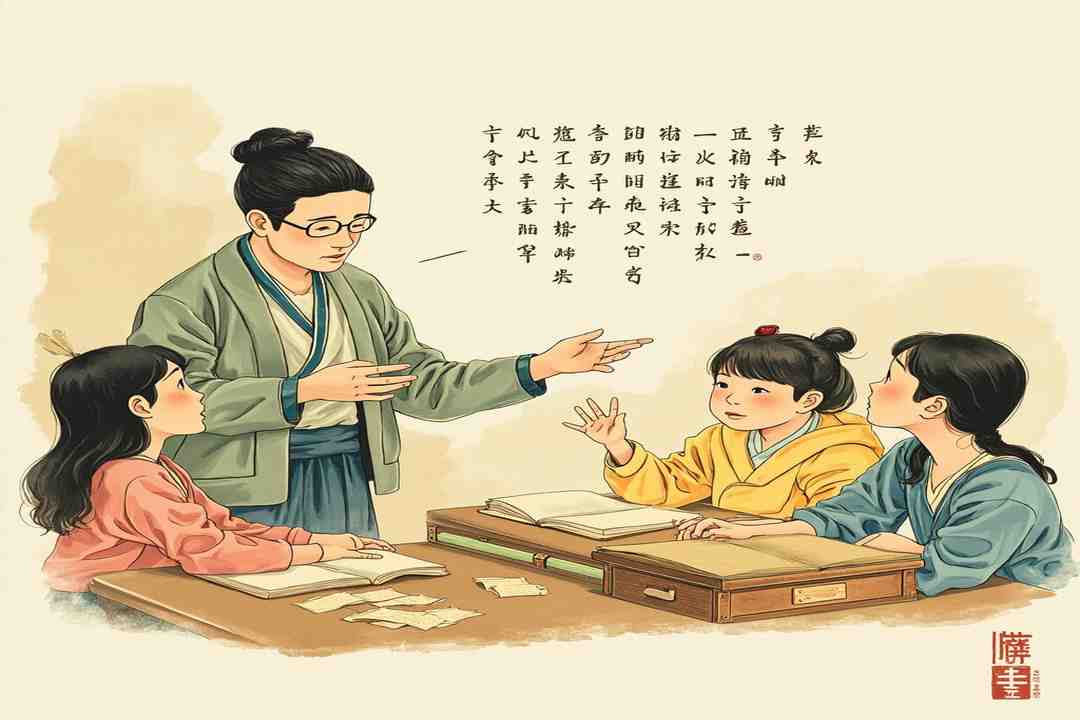
The Wen Gu Zhi Xin Idiom idiom encapsulates wisdom from ancient China. Wen Gu Zhi Xin Idiom continues to appear in modern Chinese writing and everyday speech. Learning Wen Gu Zhi Xin Idiom helps English speakers appreciate classical Chinese expression.
Xue Yi Zhi Yong Idiom: Meaning, Story, and Real Usage How Did Xuan Liang Ci Gu Idiom Become a Popular Idiom? 7 Things About Bao Xin Jiu Huo Idiom That Will Change How Yo Wikipedia