精益求精 (jing yi qiu jing idiom). If you’ve ever watched a master craftsman sand a wooden table until every edge is smooth, or a teacher revise a lesson plan again to make complex ideas easier to understand, you’ve embodied the spirit of the jing yi qiu jing idiom.
This iconic four-character Chinese idiom (chengyu) is a cornerstone of Chinese language and culture, used in both casual conversations and formal settings to praise continuous improvement. For overseas Chinese parents teaching their children about heritage, or English learners exploring cross-cultural expressions, mastering jing yi qiu jing offers insight into how Chinese communities value growth over static perfection.
It’s not just a phrase—it’s a mindset that resonates across personal, professional, and educational spaces.

The Story Behind jing yi qiu jing idiom
The origins of jing yi qiu jing (精益求精) trace back to the Tang Dynasty (618-907 AD), a golden age of Chinese poetry and literature. The story centers on Jia Dao, a poet known for his meticulous approach to refining verses.
Legend has it that Jia Dao was walking through the city of Chang’an (modern Xi’an) while composing a poem, struggling to choose between two lines: “僧推月下门” (The monk pushes the door under the moon) and “僧敲月下门” (The monk knocks on the door under the moon). So absorbed was he in this choice that he didn’t notice he was bumping into Han Yu, a prominent scholar, statesman, and leader of the Tang literary revival.
Han Yu, recognizing Jia Dao’s dedication to his craft, stopped to discuss the line. After careful consideration, Han Yu suggested “敲” (knock) was superior—it added a sense of presence and sound that made the scene more vivid.
This incident became the foundation for the idiom: the idea that even something good (the poem’s line) could be refined further to reach an even higher standard. Jing Yi Qiu Jing IdiomOver time, the story evolved into the chengyu jing yi qiu jing, which literally means “refine the excellent, seek the finer.”
What jing yi qiu jing idiom (精益求精) Really Means
Literally, jing yi qiu jing breaks down into four characters: jīng (excellent), yì (the), qiú (to seek), jīng (more excellent). But its true meaning extends beyond the literal translation.
The idiom is not about being perfect—it’s about the continuous process of improving something that is already good. It emphasizes refusing to settle for adequacy; instead, it encourages pushing boundaries to achieve higher quality.
For example, a chef who makes a delicious dish but adjusts the seasoning again to make it more balanced is practicing jing yi qiu jing. A common mistake learners make here is misapplying the idiom to describe a finished, perfect product.
For instance, saying “This painting is jing yi qiu jing” is incorrect because the idiom refers to the action of refining, not the end result. Jing Yi Qiu Jing IdiomThe correct phrasing would be “I am jing yi qiu jing with this painting” (I am continuously refining it) or “The artist’s jing yi qiu jing approach led to this masterpiece.” This distinction is key to using the idiom accurately in English or Chinese contexts.
How to Use jing yi qiu jing idiom in Conversation
The jing yi qiu jing idiom is versatile, fitting into many everyday and professional scenarios. Here are four practical examples to guide usage:
- Professional Work Setting: “Our software development team follows the jing yi qiu jing idiom for every app update. We test each feature multiple times and gather user feedback to tweak even the smallest details—last month, we adjusted the checkout process three times to reduce cart abandonment rates.”
- Parent-Child Interaction: “When my 10-year-old practices the violin, I remind her to embrace jing yi qiu jing. Jing Yi Qiu Jing IdiomInstead of just playing the notes correctly, I encourage her to add emotion to each phrase—last week, she spent an hour adjusting the tempo of a slow piece to match the mood of the music.”
- Craftsmanship Context: “The local pottery studio’s owner is famous for his jing yi qiu jing approach. Jing Yi Qiu Jing IdiomHe throws each vase twice, trimming and glazing it again to fix any imperfections, resulting in pieces that are both functional and artistically striking.”
- Academic Setting: “My high school history teacher often uses jing yi qiu jing when grading essays. Jing Yi Qiu Jing IdiomShe tells us that even if we get a B, we should review our arguments, add more evidence, and rewrite sections to turn a good paper into an exceptional one.”
These examples show how the idiom applies to ongoing effort, not just a single achievement.
Why jing yi qiu jing idiom Matters Today
In a fast-paced, competitive world, the jing yi qiu jing idiom is more relevant than ever. It aligns with modern mindsets like the growth mindset (popularized by psychologist Carol Dweck), which emphasizes that abilities can be developed through dedication and hard work.
For businesses, this spirit drives innovation: companies like Apple or Toyota use continuous improvement methodologies (like Kaizen) that mirror the core of jing yi qiu jing, leading to better products and customer satisfaction. For parents, teaching children this idiom helps them avoid the trap of complacency—instead of being satisfied with “good enough,” they learn to strive for excellence.
An expert perspective: “Language learners should focus on using jing yi qiu jing in contexts that highlight ongoing action, such as describing a current project or practice, to avoid the common mistake of misapplying it as a static description of perfection. This makes the idiom both accurate and meaningful in conversation.” Additionally, for cultural understanding, the idiom reveals a key value in Chinese society: the belief that there is always room to improve, no matter how successful you are.
Related Idioms
While jing yi qiu jing is unique, there are related idioms in Chinese and English that share similar themes:
- Chinese Idiom: 锦上添花 (Jǐn shàng tiān huā): Literally “adding flowers to silk,” this means enhancing something already good. Unlike jing yi qiu jing, which is about continuous improvement, this idiom is about adding to an existing excellence rather than refining it further.
- Jing Yi Qiu Jing Idiom For example, a party that has good food and music, and then adds a photo booth, is 锦上添花.
- Chinese Idiom: 追根究底 (Zhuī gēn jiū dǐ): Meaning “get to the root,” this is about thoroughness, similar to jing yi qiu jing but focused on understanding rather than improving quality.
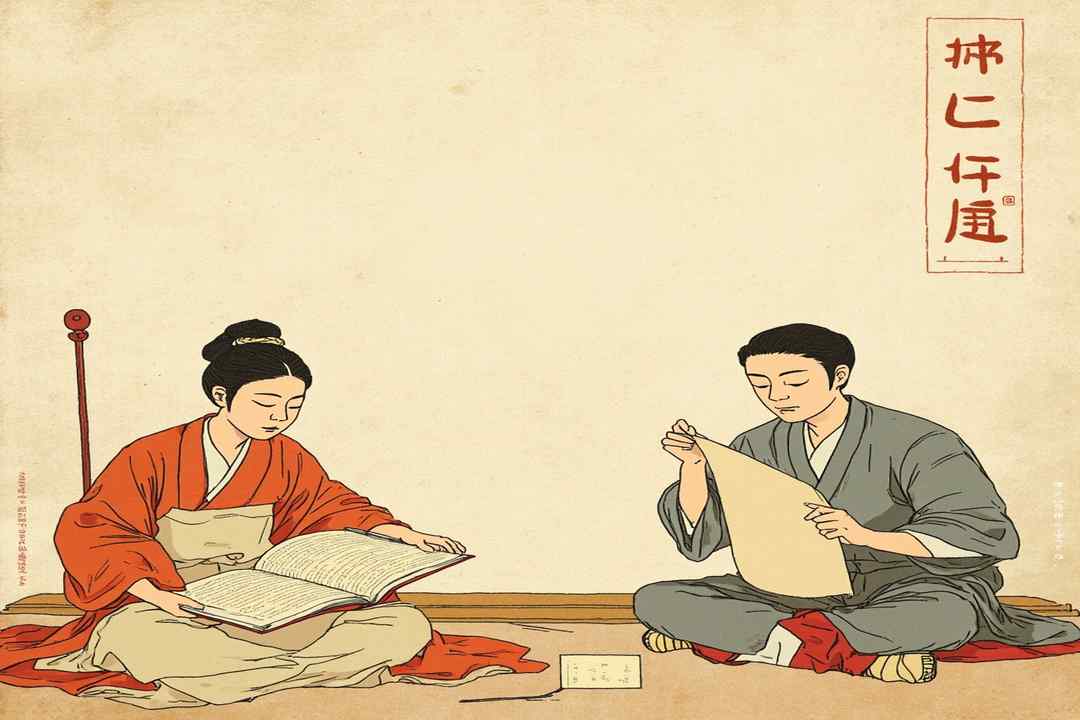
English Equivalent
English Equivalent Phrases: Phrases like “always raise the bar,” “strive for continuous improvement,” or “never settle for good enough” capture the spirit of jing yi qiu jing. Jing Yi Qiu Jing IdiomThese are useful when translating the idiom for English speakers who may not be familiar with chengyu.
Frequently Asked Questions
What is the origin of jing yi qiu jing idiom?
The idiom “jing yi qiu jing” (精益求精) has its earliest documented origin in the *Book of Han* (Han Shu), a major historical text compiled during the Han Dynasty.
It was originally used to describe government officials who continued to refine their work and policies even after meeting basic requirements, rather than settling for mediocrity.
Over time, it spread to describe any pursuit of higher standards across all fields, from art to craftsmanship.
What does jing yi qiu jing idiom mean in plain English?
In plain English, “jing yi qiu jing” means to not be satisfied with current good or excellent results, and instead keep working to make something even better, more precise, or higher quality.
How do you use jing yi qiu jing idiom in a sentence?
A natural example is: “After their first novel became a bestseller, the author chose to practice jing yi qiu jing by spending three extra years researching and revising their second book to ensure it was even more nuanced and impactful.”
What is the literal meaning of jing yi qiu jing idiom?
The literal meaning breaks down from its four Chinese characters: 精 (jīng, meaning “excellent” or “refined”), 益 (yì, meaning “more” or “further”), 求 (qiú, meaning “to seek” or “to pursue”), and the second 精 (jīng, meaning “excellence” or “perfection”).
Literally, it translates to “to seek further excellence” or “to pursue even higher levels of excellence.”
Can jing yi qiu jing idiom be used in formal writing?
Yes, “jing yi qiu jing” is entirely appropriate for formal writing.
It is a widely recognized, respected traditional idiom with a positive, earnest tone, making it suitable for academic papers, official reports, business proposals, and formal speeches to emphasize a commitment to continuous improvement and high standards.
It is commonly used in both Chinese-language formal contexts and English discussions of Chinese cultural or professional quality frameworks.
One Last Thing
The jing yi qiu jing idiom is more than just a four-word phrase—it’s a way of thinking that encourages growth in every aspect of life. Whether you’re a parent guiding your child to practice a skill, a professional refining your work, or someone exploring Chinese culture, this idiom reminds you that there’s always a way to make something better.
It’s not about being perfect; it’s about the willingness to keep trying, to adjust, and to push yourself further. By embracing the spirit of jing yi qiu jing, you can approach challenges with a mindset that values progress over perfection, and excellence over complacency.

The Jing Yi Qiu Jing Idiom idiom encapsulates wisdom from ancient China. Jing Yi Qiu Jing Idiom continues to appear in modern Chinese writing and everyday speech. Learning Jing Yi Qiu Jing Idiom helps English speakers appreciate classical Chinese expression.
Ju Yi Fan San Idiom: Meaning, Story, and Real Usage Xue Yi Zhi Yong Idiom: Meaning, Story, and Real Usage Wikipedia