Learners searching for bei gong she ying meaning need the story, the characters, the pinyin, and the usage boundary together. The idiom is useful only when the false impression can be explained, so the page should not reduce the lesson to a loose warning about fear.
Quick Answer
杯弓蛇影 (bēi gōng shé yǐng), Bei Gong She Ying, describes mistaking a reflection or an imagined threat for a real snake. In modern use, it refers to becoming frightened or suspicious because of a misunderstanding, a memory, or an imagined danger. The idiom does not mean that every concern is irrational; it warns against treating an unverified impression as proof.
Basic Facts
The cup-bow-snake story
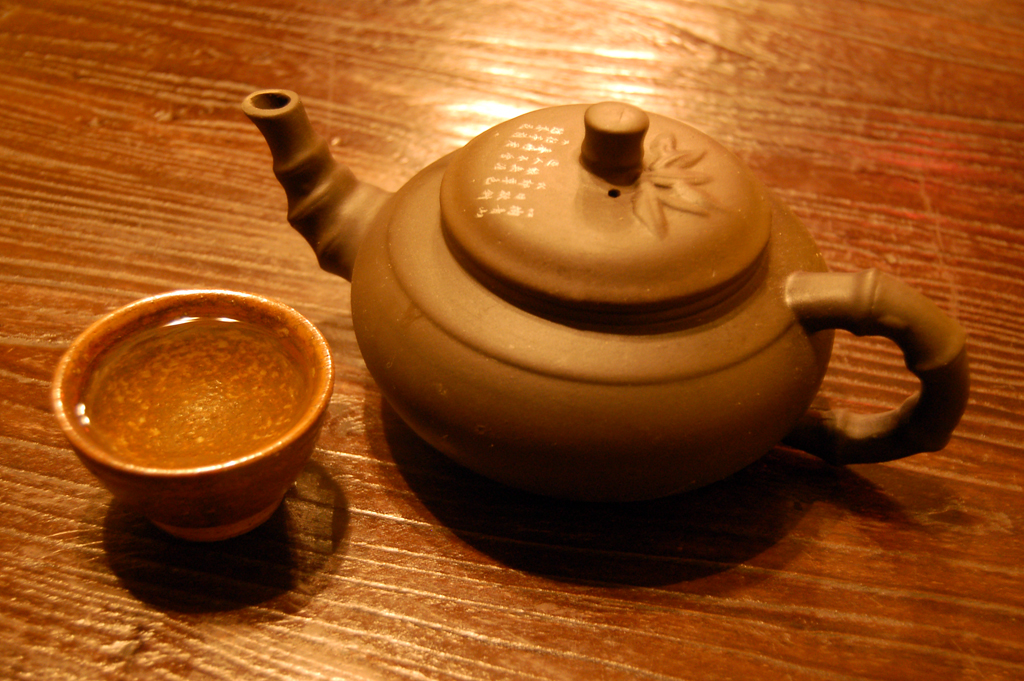
The traditional story begins with a guest drinking in a room. A bow hangs on the wall, and its reflection appears in the cup. The guest thinks he sees a snake in the wine, but he drinks anyway out of politeness. Afterward he becomes ill and worried because he believes he has swallowed a snake.
When the host learns what happened, he takes the guest back to the same place and shows him the bow and its reflection. The frightening image has a physical explanation. Once the guest understands the reflection, the fear loses its force. The story’s sequence matters: an unclear image creates a belief, the belief creates fear, and investigation corrects the belief.
Bei Gong She Ying Meaning: Literal Image and Figurative Use
The literal image is “a bow’s reflection in a cup resembles a snake.” Figuratively, the idiom describes anxiety caused by a false association or an imagined threat. English explanations may use phrases such as “mistaking shadows for danger” or “being frightened by an illusion,” but these are approximations rather than exact translations.
The idiom is often used when someone reacts to a rumor, ambiguous message, familiar shape, or incomplete fact. The key is not simply fear. It is the failure to test the first interpretation.
Pinyin and pronunciation
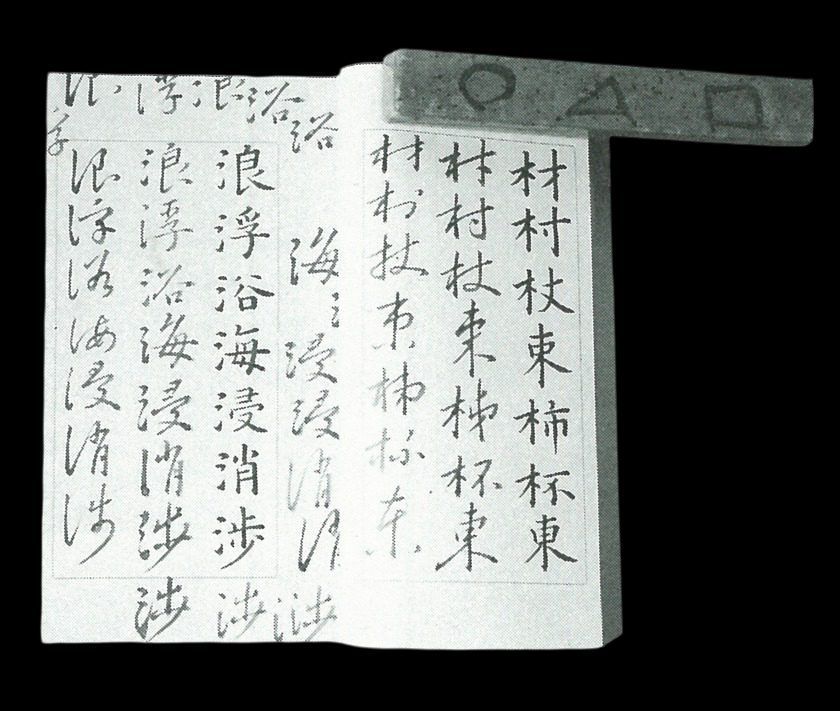
The standard pinyin is bēi gōng shé yǐng. Tone marks are useful for learners, while tone numbers may be written as bei1 gong1 she2 ying3. The characters are:
– 杯 (bēi): cup; – 弓 (gōng): bow; – 蛇 (shé): snake; – 影 (yǐng): shadow or reflection.
When reading the idiom aloud, keep the four syllables distinct. Do not replace the final character with a word meaning only “shadow” in every context; here it also supports the reflected image that drives the story.
How the idiom is used today

In modern writing, 杯弓蛇影 can describe overreaction to an unclear situation. For example, someone may read a short work message and assume they are being criticized, or see a harmless shape at night and mistake it for a person. The idiom fits when later checking reveals that the first interpretation was wrong or unsupported.
It can be used gently, but it may sound dismissive if spoken to someone facing a genuine risk. A careful speaker can first acknowledge the concern and then suggest checking the facts. The idiom is strongest when the contrast between appearance and explanation is clear.
For a neutral background source, compare the idiom with a general chengyu overview, then verify the specific story wording separately.
Common learner mistakes
Do not use 杯弓蛇影 for every case of nervousness. The phrase focuses on a mistaken image, suspicion, or association. It is also different from idioms that describe being startled by a real danger or being cautious after past harm.
Avoid translating the story as proof that all fear is imaginary. The lesson is closer to “investigate before concluding.” In a classroom or essay, explain the trigger, the mistaken interpretation, and the evidence that corrected it.
For bei gong she ying meaning, the practical value is the sequence: image, mistaken interpretation, fear, investigation, and correction. If one part is missing, the idiom becomes a vague label instead of a useful story.
A second bei gong she ying meaning review should compare the literal cup-bow-snake image with modern examples. The idiom works best when checking the facts changes the first interpretation.
When learners search for bei gong she ying meaning, they may remember only the snake image, but the bow reflection matters because it gives the misunderstanding a visible cause.
The safest note for bei gong she ying meaning is a small learning record: characters, pinyin, literal picture, figurative use, example sentence, and one boundary about real danger.
A classroom can use bei gong she ying meaning as a story prompt, then ask students to identify the trigger, the false conclusion, and the evidence that corrected it.
Because bei gong she ying meaning can sound dismissive if used carelessly, the article keeps the boundary visible before asking readers to apply it to a modern situation.
For bei gong she ying meaning, a final pass asks whether the concern was actually mistaken. If the risk is still unknown, the idiom should not be used as a shortcut.
The usage decision should stay modest: bei gong she ying meaning can describe unsupported fear, but it cannot prove that every worry, memory, or warning sign is false.
In a learner note, bei gong she ying meaning should include the four characters first, then the story. This order keeps the phrase from becoming a random moral and helps students remember why cup, bow, snake, and reflection belong together.
A useful example for bei gong she ying meaning names both the unclear sign and the later evidence. For instance, a short message may feel hostile until the full context shows it was only incomplete or badly worded.
Teachers can ask students to retell bei gong she ying meaning in three steps: what the guest saw, what he believed, and what the host later proved. The third step is what changes fear into understanding.
Do not turn bei gong she ying meaning into a way to laugh at another person's worry. The idiom is stronger when it guides a calm check of the facts and weaker when it becomes a quick accusation.
For writing practice, bei gong she ying meaning works best when the sentence contains a mistaken visual clue, rumor, or assumption. If the danger is confirmed, choose a different idiom or plain explanation.
A final bei gong she ying meaning review should compare pinyin, literal image, figurative meaning, and modern context. If all four are clear, the reader can use the idiom without stretching it beyond the story.
In modern examples, bei gong she ying meaning should also include the correction step. A reader should be able to see what was first misunderstood and what later evidence removed the misunderstanding.
That evidence step keeps bei gong she ying meaning useful for essays and classroom discussion because it separates careful verification from simply telling someone not to worry.
A practical worksheet for bei gong she ying meaning can ask learners to underline the object in the cup, circle the wrong conclusion, and write one sentence about the later explanation. This keeps the story concrete and makes the figurative meaning easier to transfer to modern examples.
If students compare bei gong she ying meaning with other idioms about caution or fear, the key difference is the false visual clue. The phrase is not mainly about bravery; it is about correcting a mistaken link between what was seen and what was believed.
For broader context, compare this idiom with the chengyu learning hub, related Chinese idiom stories, and Chinese idioms in English.
Quick reference
Frequently Asked Questions
What does Bei Gong She Ying mean?
杯弓蛇影 means becoming frightened or suspicious because a reflection, rumor, or unclear sign is mistaken for a real threat.
What is the story behind the idiom?
A guest mistakes a bow’s reflection in his cup for a snake and becomes ill from fear. Seeing the bow later reveals the misunderstanding.
How do you pronounce 杯弓蛇影?
The standard pinyin is *bēi gōng shé yǐng*, with four syllables and tone marks shown above.
Is Bei Gong She Ying always negative?
It usually criticizes an unsupported fear or suspicion, but it can also serve as a reminder to verify facts before reacting.
Can I use the idiom for a real danger?
Use it cautiously. If the danger is real or unverified, calling someone 杯弓蛇影 may dismiss a valid concern. The idiom fits best after the mistaken interpretation is clear.
{“@context”:”https://schema.org”,”@type”:”FAQPage”,”mainEntity”:[{“@type”:”Question”,”name”:”What does Bei Gong She Ying mean?”,”acceptedAnswer”:{“@type”:”Answer”,”text”:”杯弓蛇影 means becoming frightened or suspicious because a reflection, rumor, or unclear sign is mistaken for a real threat.”}},{“@type”:”Question”,”name”:”What is the story behind the idiom?”,”acceptedAnswer”:{“@type”:”Answer”,”text”:”A guest mistakes a bow’s reflection in his cup for a snake and becomes ill from fear. Seeing the bow later reveals the misunderstanding.”}},{“@type”:”Question”,”name”:”How do you pronounce 杯弓蛇影?”,”acceptedAnswer”:{“@type”:”Answer”,”text”:”The standard pinyin is *bēi gōng shé yǐng*, with four syllables and tone marks shown above.”}},{“@type”:”Question”,”name”:”Is Bei Gong She Ying always negative?”,”acceptedAnswer”:{“@type”:”Answer”,”text”:”It usually criticizes an unsupported fear or suspicion, but it can also serve as a reminder to verify facts before reacting.”}},{“@type”:”Question”,”name”:”Can I use the idiom for a real danger?”,”acceptedAnswer”:{“@type”:”Answer”,”text”:”Use it cautiously. If the danger is real or unverified, calling someone 杯弓蛇影 may dismiss a valid concern. The idiom fits best after the mistaken interpretation is clear.”}}]}
{“@context”:”https://schema.org”,”@type”:”BlogPosting”,”headline”:”Bei Gong She Ying Meaning: Story, Pinyin, and Modern Examples”,”description”:”Learn the meaning of Bei Gong She Ying, the cup-bow-snake story, pinyin, lesson, and practical examples for modern Chinese writing.”,”author”:{“@type”:”Organization”,”name”:”MengxueClass”},”datePublished”:”2026-08-24″}