A chinese idiom stories full set is not just a long list of four-character phrases. It is a learning system that connects meaning, origin story, example sentences, pronunciation, cultural context, and practical use. If you want to teach children, prepare a lesson, build a printable resource, or understand Chinese culture through short stories, the best starting point is a chinese idiom stories full set arranged by difficulty and theme.
Quick Answer
A chinese idiom stories full set should include each idiom’s literal meaning, story background, modern meaning, example sentences, usage warning, and related idioms. The goal is not to memorize hundreds of sayings at once, but to understand how one short expression can carry a complete story and a usable lesson.
Basic Facts
- Main topic: Chinese idiom story learning collection
- Best users: Parents, teachers, students, culture learners, and printable-resource users
- Core structure: Meaning, story, modern use, examples, and comparison
- Common mistake: Reading the ancient story without checking how the idiom is used today
Quick reference: A useful chinese idiom stories full set = clear meaning + short origin story + modern example + usage warning + related idiom path.
Why a Full Set Works Better Than a Random Idiom List
Many learners first meet Chinese idioms as isolated entries: one phrase, one translation, and one short note. That format is fast, but it often fails to explain why the expression matters. A chinese idiom stories full set solves that problem by putting each idiom into a repeatable pattern. The reader sees what the words literally say, what happened in the story, what the idiom means now, and where it fits in real speech or writing.
This matters because Chinese idioms are compressed. Four characters can point to a historical scene, a moral judgment, a strategy, a mistake, or a character trait. Without the story, the idiom may look decorative. Without the modern usage, the story may feel like a museum object. A full set keeps both sides together.

What Every Idiom Entry Should Include
A strong entry in a chinese idiom stories full set should begin with the idiom itself, preferably with pinyin or a readable English title for learners who do not read Chinese characters fluently. Then it should give a plain-English meaning. The meaning should be direct: what situation does this idiom describe, and what judgment does it carry?
The second part is the story. Keep the story short enough to remember. A story of five or six sentences is usually better than a long retelling, because the learner needs the conflict, the mistake, and the result. For example, many idioms are memorable because someone made a foolish choice, misunderstood a situation, acted too proudly, or learned too late. That narrative shape is what makes the phrase stick.
The third part is modern use. This is where many resources become weak. A learner should know whether the idiom is formal, humorous, critical, encouraging, or mostly used in writing. A chinese idiom stories full set should include at least one natural example sentence and one warning about misuse. If the idiom sounds too literary for casual conversation, say so. If it is common in school writing but rare in daily speech, say that too.
How to Organize Idiom Stories by Theme
The easiest way to build a full set is to group idioms by use case. Children and beginners usually learn faster from themes than from alphabetic order. A theme such as learning and diligence can include idioms about steady effort, respect for teachers, and correcting mistakes. A theme such as wisdom and judgment can include idioms about false assumptions, short-sighted choices, and practical strategy.
Another useful structure is difficulty. Level one can include high-frequency idioms with simple stories. Level two can add idioms with historical figures, war strategy, or court politics. Level three can include expressions that need more background from classical texts. This avoids overwhelming learners and makes the chinese idiom stories full set more useful for classrooms and self-study.
For readers who want a starting path, compare this article with Chinese four-character idioms and famous Chinese idioms. Those pages help connect a broad story collection with specific idiom examples.
Example Learning Path for Parents and Teachers
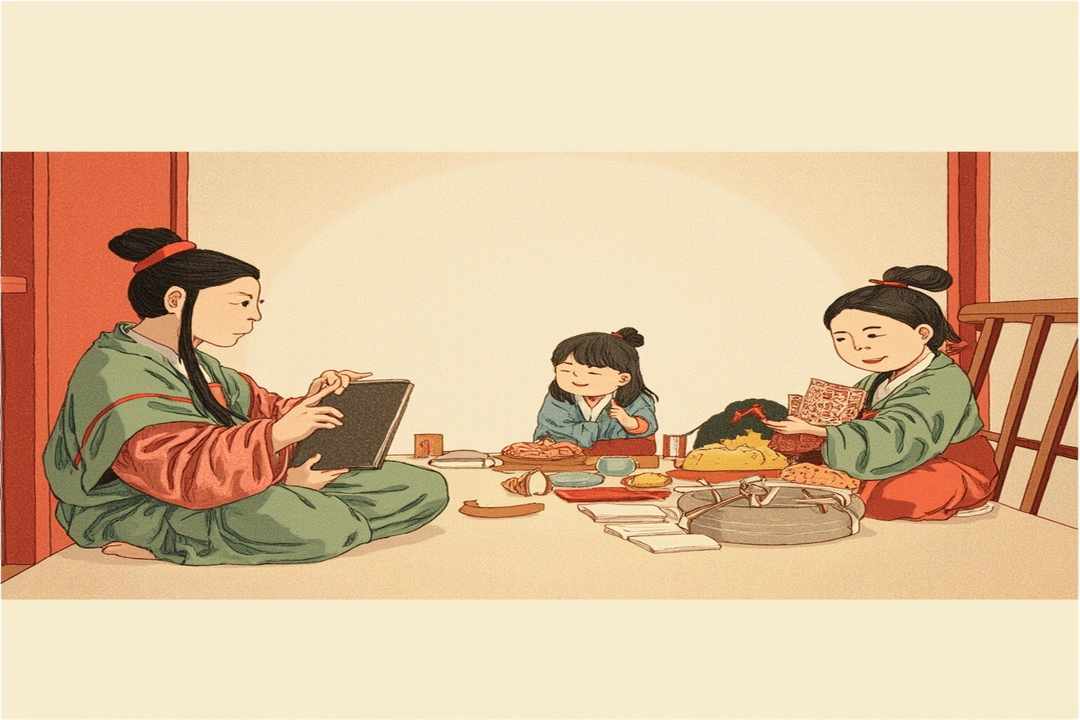
A practical lesson can use one idiom in four steps. First, ask the learner what the phrase might mean from the title or literal translation. Second, tell the story in a short, vivid way. Third, explain the modern meaning in one sentence. Fourth, ask the learner to write or speak one example from school, family life, sports, or work.
This method keeps the story from becoming passive reading. The learner must turn the idiom into a situation. That step is important for a chinese idiom stories full set because idioms are only useful when the reader can recognize the right moment to use them. A child who only memorizes the story may enjoy it, but a child who can connect the idiom to a real situation owns the expression.
Teachers can also add comparison tasks. Choose two idioms that both involve learning, but ask how their lessons differ. One may praise steady progress, while another warns against rushing. One may describe respect, while another describes correction after a mistake. Comparison turns the set into a thinking tool, not just a reading list.
What Makes an Idiom Story Reliable
Not every online retelling is equally useful. Some stories are simplified for children, some are adapted from classical sources, and some mix different versions. That is acceptable if the page is clear about its purpose, but a serious chinese idiom stories full set should avoid pretending that every retelling is the only original version.
A reliable entry should separate three layers: the traditional story, the common modern meaning, and the author’s teaching explanation. If a story is uncertain or has multiple versions, say that the idiom is commonly explained through that story rather than claiming a single fixed origin. For general background on the form, see this Chinese idiom overview.
Reference: This guide uses general idiom-study principles and public background sources. The practical advice is written for parents, teachers, and culture learners who need a readable structure rather than a purely academic catalogue.

Printable and Digital Resource Ideas
A chinese idiom stories full set can become more useful when each entry has a printable or digital activity. A simple worksheet might include the idiom, a short story summary, two comprehension questions, one example sentence, and one blank space for the learner’s own example. A flashcard version can put the idiom on one side and the meaning plus story hint on the other.
For digital learning, the best format is searchable and expandable. A learner should be able to filter by theme, difficulty, story type, or common use. Teachers may want lesson groups, while parents may want short bedtime-style stories. Advanced learners may want comparison notes between idioms that look similar in English but differ in tone.
The key is to avoid turning the set into a pile of disconnected material. Each entry should point to a next step. After reading one idiom about steady learning, the reader can move to another idiom about patience, correction, or respect. That internal path gives the resource long-term value.
Common Mistakes to Avoid
The first mistake is translating too literally. Literal wording is useful, but it is not the final meaning. The second mistake is making every story sound like a moral lesson for children. Some idioms are critical, ironic, strategic, or historical rather than simply inspirational. The third mistake is ignoring register. A phrase may be excellent in an essay but unnatural in casual conversation.
The fourth mistake is using one English equivalent for every context. An idiom may translate differently depending on the sentence. A full set should explain the situation, not just provide a one-line English replacement. This is especially important for learners who want to write examples or use idioms in bilingual teaching.
Final Takeaway
A chinese idiom stories full set is strongest when it helps the reader move from story to meaning, from meaning to usage, and from usage to related idioms. The best format is not the longest list. It is the clearest learning path. If each idiom entry answers what it means, where the story comes from, how it is used today, and what mistake to avoid, the set becomes useful for culture learning, family teaching, classroom activities, and long-term reference.
Frequently Asked Questions
What is a Chinese idiom stories full set?
A Chinese idiom stories full set is a structured collection that explains idiom meanings, story origins, example sentences, and practical usage notes in one learning path.
Is every Chinese idiom based on a historical story?
No. Many famous Chinese idioms come from historical anecdotes, classical texts, or fables, but some are better understood as literary expressions or condensed cultural sayings.
How should beginners read Chinese idiom stories?
Beginners should read the meaning first, then the story, then one or two example sentences, because this order prevents the ancient story from hiding the modern usage.
Can Chinese idiom stories help children learn Chinese culture?
Yes, Chinese idiom stories can help children learn values, historical scenes, and language patterns, as long as the explanation is simple and the lesson is not forced.
How many idioms should a full set include?
A full set can start with 20 to 50 common idioms, then expand by theme, difficulty, school use, printable worksheets, and cultural background.