按兵不动 (an bing bu dong idiom). The an bing bu dong idiom is one of the most frequently referenced strategic phrases in Chinese language and culture, carrying layers of historical meaning that extend far beyond its literal translation.
For centuries, this idiom has been used to describe a deliberate, strategic choice to hold back action—whether in military campaigns, business negotiations, personal relationships, or everyday decision-making—prioritizing careful planning over impulsive moves. Its enduring popularity stems from its ability to capture a timeless truth: sometimes the wisest course of action is to wait, observe, and prepare rather than rush into things.
Quick Answer: What Does An Bing Bu Dong Mean?
An Bing Bu Dong (按兵不动) means deliberately holding back from action while observing the situation or waiting for a better time. It describes strategic restraint, not simply failing to understand: bu dong inside this four-character idiom is different from the everyday phrase wǒ bù dǒng, “I do not understand.”
Basic Facts
| Chinese | 按兵不动 |
|---|---|
| Pinyin | àn bīng bù dòng |
| Literal image | Hold the troops without moving |
| Modern meaning | Wait and refrain from acting for the moment |
Quick reference: the idiom implies a conscious decision to wait. It may be wise or costly depending on whether the delay serves a clear strategy.
In plain English, the an bing bu dong meaning is deliberate restraint: holding back from action while continuing to observe the situation.
The Recorded Source of An Bing Bu Dong
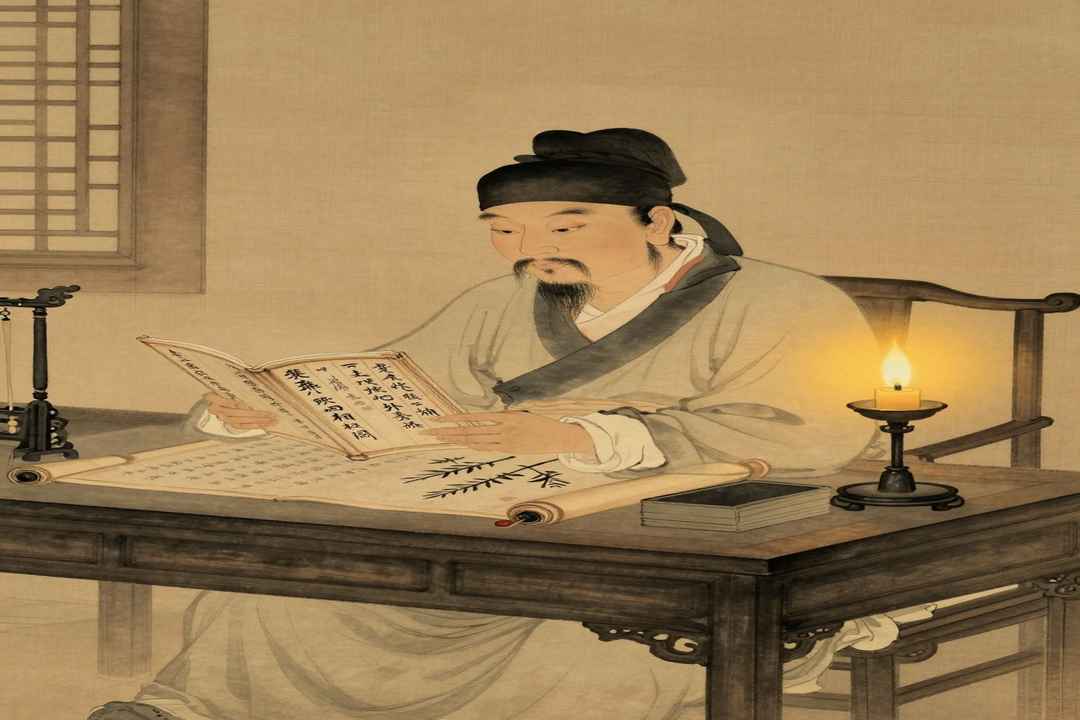
The Ministry of Education idiom dictionary traces the expression to the Wang Zhi chapter of Xunzi, where the wording includes “hold the troops without moving.” Later usage developed into the meaning of temporarily refraining from action while observing how events unfold.
This source is more reliable than attaching the idiom to a single dramatic battle story. In modern Chinese, the phrase can describe military restraint, a delayed business decision, or any deliberate choice to wait rather than act immediately.
What an bing bu dong idiom (按兵不动) Really Means
Literal translation of the idiom breaks down into four characters: 按 (àn, to press, hold back), 兵 (bīng, troops, soldiers), 不 (bù, not), and 动 (dòng, to move, act). Literally, it means “hold back the troops and do not move.” Figuratively, the an bing bu dong idiom carries a nuanced meaning that extends beyond military contexts to any situation requiring deliberate restraint.
At its core, the idiom refers to a calculated decision to delay action, not out of laziness or fear, but for a specific strategic purpose. This purpose can vary widely: it may involve waiting for more information to avoid making a mistake, conserving resources to maximize future impact, letting an opponent overextend themselves to exploit their weaknesses, or waiting for a more favorable opportunity to act.
Unlike phrases that describe inaction as a negative trait, an bing bu dong frames restraint as a strength—one that requires discipline, foresight, and self-control. The idiom also implies that the individual or group making the choice has a clear plan, even if they are not acting on it immediately.
It is not passive inaction; rather, it is active preparation for future action. For example, a business leader who decides to an bing bu dong on a product launch is not abandoning the project—they are refining it, researching market conditions, and building a strategy to ensure its success when the time is right.
How to Use An Bing Bu Dong
Use the idiom when someone intentionally delays a planned action to gather information, conserve resources, or wait for a better opportunity.
- Business: The company chose to an bing bu dong until the product passed its security review.
- Negotiation: Both sides held their positions and waited for the new proposal before responding.
- Everyday decision: She decided to wait for the inspection report rather than make an immediate offer on the house.
Do not use it as a direct synonym for laziness or for the standalone phrase “bù dǒng,” which can mean “do not understand.”
Why an bing bu dong idiom Matters Today
In an era that glorifies speed, instant gratification, and “hustle culture,” the an bing bu dong idiom offers a valuable counter-narrative: that strategic patience is a critical skill for success in all areas of life. Many modern challenges—from career decisions to business launches to personal relationships—demand more than just quick action; they require careful planning, observation, and restraint.
For example, during the early days of the COVID-19 pandemic, many small businesses chose to an bing bu dong, delaying plans to reopen until they had implemented rigorous safety protocols, adjusted their operations to comply with local regulations, and assessed the needs of their community. Those that rushed to reopen without preparation often faced outbreaks, fines, or customer backlash, while those that waited strategically were able to rebuild more successfully in the long run.
The idiom also reflects a key cultural value in China: the belief that humility and self-control are more virtuous than arrogance and impulsive action. The story of King Fuchai serves as a timeless reminder that overconfidence and rushing into action can lead to downfall, while holding back to assess risks and opportunities can lead to lasting success.
Today, this lesson is just as relevant as it was 2,500 years ago, helping people navigate complex situations with wisdom and foresight.
Related Idioms
The an bing bu dong idiom shares thematic ground with several other Chinese idioms that emphasize strategic patience, though each has its own nuance: 1. 以逸待劳 (yǐ yì dài láo): Translated as “wait at one’s ease for the exhausted enemy,” this idiom refers to using a position of strength to wear down an opponent before attacking.
Unlike an bing bu dong, which focuses on holding back action, 以逸待劳 includes the underlying goal of eventually acting when the opponent is weakened. 2.
静观其变 (jìng guān qí biàn): Meaning “watch and wait for events to unfold,” this idiom is broader, describing any choice to observe a situation before acting, regardless of whether one has forces to deploy. An bing bu dong is more specific to holding back a planned action or force for strategic reasons.
3. 稳扎稳打 (wěn zhá wěn dǎ): Translated as “advance steadily and surely,” this idiom emphasizes careful, gradual progress rather than rushing, often used in contexts of long-term projects or goals, similar to the strategic caution of an bing bu dong.

Strategic Waiting, Hesitation, or Procrastination?
An Bing Bu Dong is most precise when waiting is intentional and connected to a decision. The person or group has the ability to act but chooses not to move yet because more information, a better opening, or a lower-risk moment may appear. This makes the phrase different from simple confusion or inability.
Hesitation describes uncertainty at the moment of choice. Procrastination describes delaying something that should be done, often without a useful plan. An Bing Bu Dong can overlap with either one in a critical sentence, but the idiom itself highlights the visible choice to hold position. Context tells the reader whether that restraint is wise, cautious, passive, or costly.
Three Questions to Check the Usage
- Was action available? If the person had no ability to act, the idiom may not fit.
- Was the delay deliberate? A conscious hold is closer to the idiom than accidental inaction.
- Was the situation still being watched? Strategic restraint usually includes observation, preparation, or a trigger for later action.
For example, a company may delay a launch until a safety review is complete. That can be sensible An Bing Bu Dong because the waiting has a reason and an end condition. If the same company keeps delaying because no one will make a decision, “procrastination” or “indecision” may be clearer.
The idiom can also carry criticism. A commentator might say that officials remained An Bing Bu Dong while a manageable problem grew worse. In that sentence, the phrase still describes deliberate non-action, but the speaker judges the strategy as too slow. This positive-or-negative flexibility is why the surrounding sentence should identify what the person is waiting for and what risk the delay creates.
Frequently Asked Questions About An Bing Bu Dong
What does An Bing Bu Dong mean in English?
It means deliberately holding back from action and waiting while observing the situation.
Does Bu Dong here mean “I do not understand”?
No. In 按兵不动, 不动 means not moving or not acting; it is part of a fixed four-character idiom.
Can An Bing Bu Dong have a negative meaning?
Yes. Strategic waiting can be wise, but delaying too long can also cause a missed opportunity.
Final Takeaway
An Bing Bu Dong describes purposeful waiting. The phrase is most accurate when the person or group has a reason for delaying action and continues to watch the situation.

Related reading: Bao Xin Jiu Huo, Ju Yi Fan San, and the Ministry of Education idiom reference.