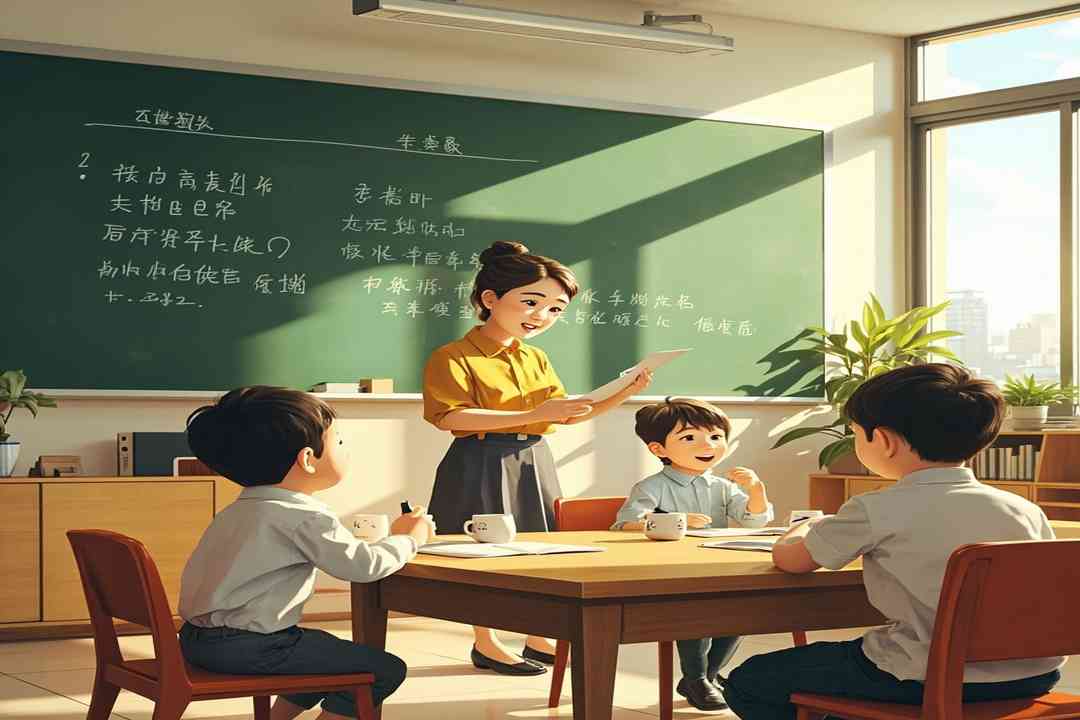
教学相长 (jiao xue xiang zhang idiom). The jiao xue xiang zhang idiom is one of the most foundational concepts in Chinese educational philosophy, capturing a timeless truth about mutual growth between those who teach and those who learn.
Unlike many idioms tied to specific historical events, this phrase distills a core principle that applies to all forms of knowledge sharing, from formal classrooms to casual daily interactions. For centuries, it has shaped how educators and learners approach their relationships, and today it remains a valuable framework for collaborative growth across all fields.
The Story Behind jiao xue xiang zhang idiom
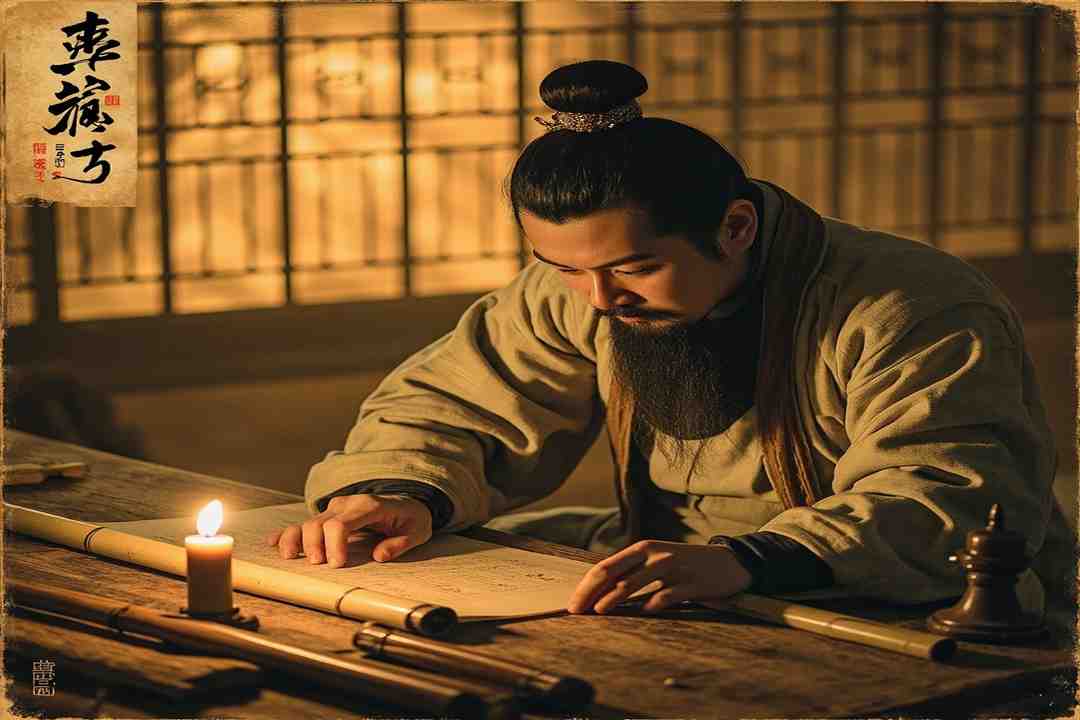
The origin of the jiao xue xiang zhang idiom can be traced to the *Book of Rites (Li Ji)*, a collection of ancient Chinese texts compiled during the Western Han dynasty (206 BCE – 9 CE). Specifically, it appears in the chapter titled *Xue Ji* (Record of Learning), one of the oldest surviving treatises on education in East Asia.
This chapter was written to preserve Confucian educational practices and principles, emphasizing the importance of reflection, practice, and mutual exchange in learning.
The exact line that gives rise to the idiom is: “学然后知不足,教然后知困。知不足,然后能自反也;知困,然后能自强也。故曰:教学相长也。” Translated, this means: “Only after learning do you realize your deficiencies; only after teaching do you realize your confusion. When you know your deficiencies, you can reflect on yourself; when you know your confusion, you can strive to improve.
Therefore, teaching and learning mutually promote each other.” This passage argues that teaching is not a one-way act—when you try to explain a concept to others, you often uncover gaps in your own understanding, pushing you to study more deeply and grow. This reciprocal dynamic is the heart of the idiom’s meaning.
Jiao Xue Xiang Zhang IdiomFor more insights into ancient Chinese idioms, explore our collection of chinese idiom stories.
What jiao xue xiang zhang idiom Really Means
At its core, the jiao xue xiang zhang idiom refers to the idea that teaching and learning are interdependent processes where both parties benefit. It rejects the common misconception that knowledge flows only from teacher to student; instead, it highlights that students can teach teachers new perspectives, skills, or insights, and vice versa.
One common mistake learners make with the jiao xue xiang zhang idiom is restricting its use to formal teacher-student relationships in schools or universities. In reality, the idiom applies to any scenario where two or more people engage in mutual knowledge sharing: a friend teaching you to play a musical instrument, a senior colleague mentoring a junior employee, or even a parent learning from their child about modern technology.
The key is that both sides grow through the interaction. To dive deeper into idiom definitions, visit our chinese idiom meanings page.
How to Use jiao xue xiang zhang idiom in Conversation
The jiao xue xiang zhang idiom is versatile and can be used in both formal and informal contexts. Here are four practical examples of how to incorporate it into daily speech:
- A high school teacher discussing their professional development: “This semester, I’ve been working with student teachers, and the jiao xue xiang zhang idiom has never felt more real. They bring fresh ideas about project-based learning that I hadn’t considered, while I share classroom management strategies to help them feel confident.”
- A college student talking about their study group: “Our biology study group is a perfect example of jiao xue xiang zhang idiom. I explain cell division to my peers, which helps me master the topic myself, and they help me understand complex genetics concepts that I struggle with.”
- A parent describing a baking session with their child: “Last weekend, my 10-year-old taught me how to use a YouTube tutorial to make matcha cookies, and I taught her how to measure ingredients for the perfect dough. It was pure jiao xue xiang zhang idiom—we both learned something new and had fun together.”
- A workplace mentor reflecting on their role: “As a senior software engineer, I’ve found that mentoring junior developers is a two-way street. They teach me about new coding frameworks I’m unfamiliar with, and I share my experience to help them solve complex problems.
- That’s exactly what jiao xue xiang zhang idiom is about.” If you want to refine your idiom usage, check out our how to use chinese idioms guide.
Why jiao xue xiang zhang idiom Matters Today
In an era of collaborative learning, remote education, and cross-generational knowledge sharing, the jiao xue xiang zhang idiom is more relevant than ever. Modern educational models like flipped classrooms, peer tutoring, and online learning communities are built on the principle of mutual growth—students often take on teaching roles, and instructors continuously learn from their students’ feedback.
In the workplace, mentorship programs that pair senior employees with interns or junior staff often cite this idiom as a guiding principle. A 2022 survey by the Chinese Human Resources Association found that companies implementing mutual mentorship (rooted in jiao xue xiang zhang idiom) saw a 25% increase in employee engagement and a 18% reduction in turnover.
This is because when both parties feel they are growing, they are more invested in their work and relationships. The idiom also challenges the idea of hierarchy in knowledge: anyone, regardless of age or title, can contribute to another’s learning, fostering a more inclusive and collaborative environment.
Related Idioms
Several Chinese idioms share the same idea of mutual learning, guidance, and growth:
- 三人行必有我师 (san ren xing bi you wo shi): From the Analects of Confucius, this idiom means that among any three people, one can be your teacher. It emphasizes that everyone has something to teach.
- 教学相辅 (jiao xue xiang fu): A close related phrase meaning that teaching and learning support each other, often used in formal educational or professional settings.
- 师友互助 (shi you hu zhu): This phrase highlights the role of guidance and friendship in mutual learning, which matches the core idea of this idiom.
Frequently Asked Questions
What does jiao xue xiang zhang idiom mean?
It means that teaching and learning improve one another. A teacher becomes clearer through teaching, while a learner grows through questions, examples, and practice.
Where does this idiom come from?
It is connected with classical Chinese educational thought and is commonly linked with the Book of Rites, especially discussions about study, teaching, and moral cultivation.
How do you use this idiom in a sentence?
You can use it when a teacher and student both improve through discussion, such as when a student’s question helps the teacher explain an idea more clearly.
Is this idiom only about school education?
No. It can also describe mentoring, workplace training, family teaching, language learning, and any situation where both sides learn from exchange.
Why is this idiom useful for Chinese learners?
It helps learners understand a core Chinese cultural idea: knowledge grows through shared effort, respectful discussion, and active reflection.
One Last Thing
The jiao xue xiang zhang idiom is more than just a Chinese phrase—it’s a timeless reminder that growth is a two-way street. Whether you’re a teacher, a student, a mentor, or a mentee, embracing the principle of mutual learning can help you develop new skills, gain fresh perspectives, and build stronger relationships.
In a world that often values individual achievement, this idiom encourages us to look beyond ourselves and recognize the value of teaching and being taught. As we continue to adapt to new ways of learning and working, the wisdom of jiao xue xiang zhang remains as relevant today as it was over two thousand years ago.