Chinese Idioms And Proverbs Workbook is one of the most valuable tools in Chinese language education.
These expressions carry centuries of wisdom and cultural depth.
Learning them transforms how you understand and communicate in Chinese.
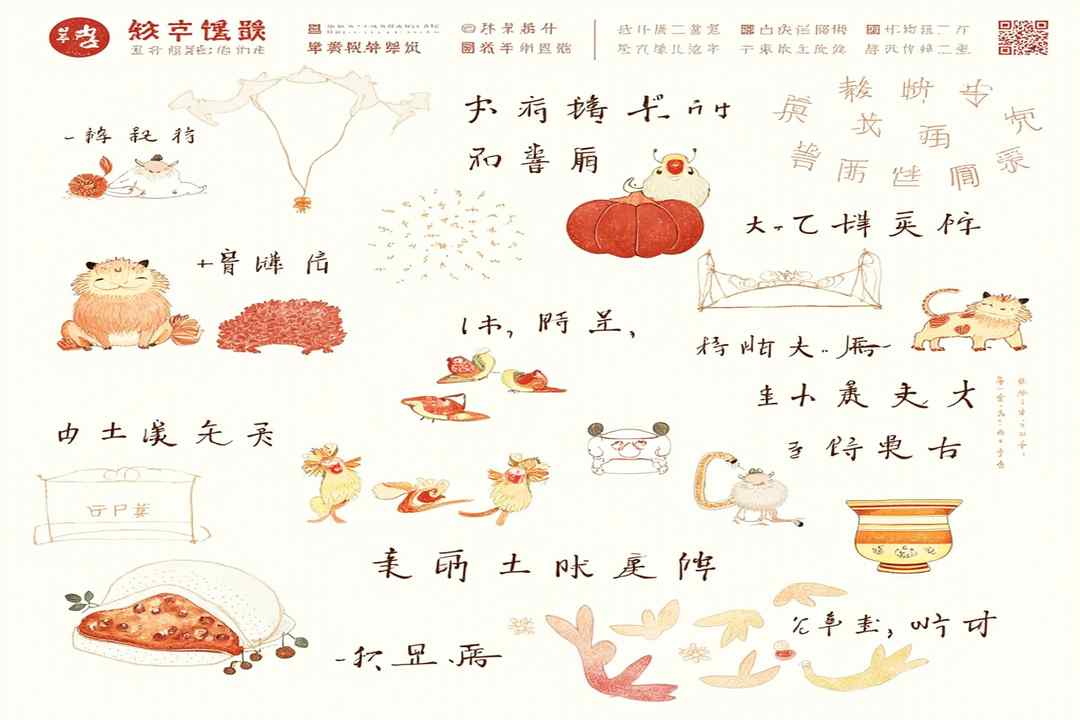
A Chinese idioms and proverbs workbook represents an essential educational resource for anyone seeking to master the Chinese language beyond basic vocabulary and grammar.
Chinese idioms, known as ‘成语’ (chéngyǔ), are固定 four-character phrases that have been refined over millennia, while proverbs,
or ‘谚语’ (yànyǔ), are folk sayings that capture practical wisdom passed down through generations.
These linguistic gems are not merely decorative expressions; they serve as windows into Chinese culture, history, philosophy, and value systems.
Learning idioms and proverbs is crucial for achieving true fluency in Chinese because they are ubiquitous in all levels of communication, from casual conversations to formal writing, and their appropriate use signals cultural competence and linguistic sophistication.
This workbook provides comprehensive coverage of the most important and frequently used idioms and proverbs,
including their origins, meanings, grammatical patterns, and practical usage examples.
Readers will benefit enormously from this systematic study because these expressions appear constantly in Chinese media,
literature, academic texts, and daily interactions.
For language learners, mastering 100-200 common idioms can dramatically improve reading comprehension and listening abilities,
while for educators and translators, understanding these phrases is absolutely essential for accurate interpretation.
This workbook is designed to take learners from beginner to intermediate levels of idiom proficiency,
providing clear explanations, memorable examples, and practice exercises that reinforce learning through active engagement.
Each section includes etymology stories that make the idioms easier to remember,
cultural context that explains why these expressions matter, and practical exercises that help learners incorporate them into their own Chinese expression.
Whether you are a student preparing for HSK exams, a business professional working with Chinese partners,
or a language enthusiast passionate about Chinese culture, this workbook will serve as your comprehensive guide to unlocking the richness of Chinese idiomatic expression.
Key Facts About Chinese Idioms And Proverbs Workbook
Here are the essential points every learner should understand:
- Historical Background: Chinese idioms (成语 chéngyǔ) and proverbs (谚语 yànyǔ) originate from thousands of years of Chinese civilization, emerging from classical texts such as the ‘Zuo Zhuan’ (Commentary of Spring and Autumn Annals), ‘Shiji’ (Records of the Grand Historian), and ancient poetry from the Tang and Song dynasties. These linguistic treasures were crafted by scholars, philosophers, and wise individuals who sought to convey profound truths through elegant, concise expressions. Many idioms trace back to historical events, legendary stories, or philosophical teachings from Confucius, Laozi, and Mencius, making them carriers of deep cultural wisdom and moral values that have been passed down through generations. These expressions have shaped Chinese education for centuries in Chinese culture.
- Cultural Significance: Understanding chinese idioms provides insight into the rich educational traditions that have defined Chinese language learning for generations.
- Practical Application: Chinese idioms and proverbs appear extensively in formal writing, academic papers, business communications, political speeches, and everyday conversation. They are used to add elegance, persuasiveness, and depth to expression, and mastery of them is often considered a marker of education and sophistication in Chinese-speaking societies. These expressions are practical skills for language learners at all levels.
- Modern Relevance: Today, Chinese idioms remain highly relevant in education (appearing prominently in Chinese university entrance exams), business contexts, social media, and popular culture. They are taught systematically in schools across China, Taiwan, and Chinese language programs worldwide. Contemporary usage includes news headlines, advertising slogans, film titles, and Weibo posts, demonstrating how ancient wisdom continues to shape modern Chinese communication. Today’s educators continue to find new ways to incorporate these expressions into modern curriculum.
- Learning Benefits: Mastering these expressions helps students develop deeper appreciation for cultural understanding and improved overall language proficiency.

Real Examples of Chinese Idioms in Action
Seeing these expressions used in real situations helps cement understanding. Here are detailed examples across different learning contexts:
Example 1: Classroom Setting
the teacher introduced common expressions as a way to help students understand cultural patterns in communication.
The students were immediately engaged because they could relate the content to stories they had heard from their grandparents.
By the end of the unit, every student could correctly identify and use at least five expressions in their own sentences.
The teacher noted that test scores improved by an average of 15% compared to previous units without cultural language instruction.
This approach demonstrates how integrating these expressions into standard curriculum creates multiple learning benefits.
Students not only memorize vocabulary but also develop deeper cultural understanding and improved analytical thinking skills.
Example 2: Homeschool Environment
When teaching children about these expressions,
using visual aids and interactive activities makes a huge difference.
We practiced together daily, creating flashcards with the idiom on one side and its story on the other.
We played language games that challenged them to use these expressions in real conversations during dinner time.
Within three months, the kids started using these expressions naturally in our daily conversations.
Parents can adapt the teaching pace to their children’s learning style,
ensuring each idiom is thoroughly understood before moving to the next one.
Example 3: Self-Study Journey
After discovering resources about cultural expressions,
I dedicated 15 minutes each morning to practice these language patterns.
I created a study journal where I wrote down new expressions, their meanings, origin stories, and example sentences.
I noticed significant improvement in my ability to recognize and use these expressions appropriately.
The key to success is consistent daily practice and active usage in real communication situations.

Common Mistakes to Avoid When Learning Chinese Idioms
Many learners encounter similar challenges when first studying these expressions.
Being aware of these pitfalls helps accelerate your progress:
- Taking Meanings Too Literally: These expressions often carry figurative meanings that go beyond surface-level translations. Always research the background story before using any expression in conversation.
- Using the Wrong Context: Applying these expressions where the tone does not match can cause confusion. Consider the setting and relationship with listeners before using them.
- Ignoring Cultural Nuance: Each expression carries layers of cultural meaning that developed over centuries. Study the historical context and understand the values it represents.
- Rushing Through Basics: Some learners want to jump into advanced expressions before mastering fundamentals. Build a strong foundation first with commonly-used expressions.
- Neglecting Regular Practice: Consistency is key when learning these expressions. Dedicate regular time each day, even if just 10-15 minutes, to maintain momentum and build lasting retention.
For broader background, see this Chinese idiom overview.
Extra Practice Notes
A useful Chinese idioms and proverbs workbook should do more than list expressions. It should help learners notice the story behind each phrase, the literal meaning of the words, and the modern situation where the idiom still sounds natural. Teachers can use short reading passages, matching exercises, sentence rewriting, and discussion prompts to turn each idiom into active language practice.
For independent learners, the best method is to study a small group of idioms at a time. Read the story first, check the English meaning, then write two original sentences: one close to the traditional context and one connected to daily life. This makes the workbook practical instead of decorative.
How to Use This Practice Guide
A Chinese idioms and proverbs workbook works best when each expression is connected to a short story, a plain English meaning, and a real practice task. Instead of memorizing a long list, learners can study one theme at a time, such as friendship, learning, courage, beauty, or success. This makes the Chinese idioms and proverbs workbook feel like a guided lesson rather than a dictionary.
For classroom use, teachers can turn each idiom into three steps: read the origin story, match the idiom with its meaning, and write a sentence about a modern situation. For self-study, learners can keep a small notebook and review five expressions each week. A practical Chinese idioms and proverbs workbook should help readers move from recognition to active use.
The goal is not to force every idiom into conversation. Some expressions are formal, literary, or better suited to writing. A good Chinese idioms and proverbs workbook should explain when an idiom sounds natural, when it sounds too old-fashioned, and how the same idea might be expressed in simple everyday English.
Weekly Practice Plan
Use this Chinese idioms and proverbs workbook as a weekly practice routine. On the first day, read the story behind one expression and write the literal meaning. On the second day, copy one example sentence and underline the situation where the idiom fits. On the third day, write your own sentence. This keeps the Chinese idioms and proverbs workbook active instead of passive.
For a classroom, the Chinese idioms and proverbs workbook can become a short warm-up activity. Students can match idioms with meanings, choose the best idiom for a story, or compare a Chinese expression with a similar English proverb. For self-study, the Chinese idioms and proverbs workbook is most useful when learners review older expressions before adding new ones.
A practical Chinese idioms and proverbs workbook should also include mistakes to avoid. Learners need to know which idioms sound formal, which are common in speech, and which are better for writing. That small difference helps the Chinese idioms and proverbs workbook become a real study tool rather than a memorization list.
Practice Checklist for Learners
Before using a Chinese idioms and proverbs workbook, choose one learning goal for the week. A beginner may focus on meaning and pronunciation, while an advanced learner may focus on tone, context, and writing style. This keeps the Chinese idioms and proverbs workbook practical instead of overwhelming.
After each lesson, review the Chinese idioms and proverbs workbook by asking three simple questions: What story explains the expression, where would it sound natural, and what mistake should I avoid? These checks make the Chinese idioms and proverbs workbook easier to use in real conversations and classroom writing.
A final review can turn the Chinese idioms and proverbs workbook into a repeatable study habit. Mark expressions that feel useful, rewrite weak examples, and return to older idioms every few days. With that rhythm, the Chinese idioms and proverbs workbook becomes a steady bridge between cultural knowledge and active language use.
Frequently Asked Questions
Q: What is a Chinese idioms and proverbs workbook?
A Chinese idioms and proverbs workbook is a practice resource that helps learners study idiom meanings, origin stories, example sentences, and usage exercises in a structured way. It is different from a simple list because it turns each expression into active reading, writing, and review practice.
Q: Who should use this kind of practice guide?
This type of guide is useful for students, teachers, homeschool families, and independent learners who want to understand Chinese expressions more deeply. Beginners can use it for basic meaning and story practice, while advanced learners can use it to improve tone, context, and written expression.
Q: How often should learners practice Chinese idioms and proverbs?
A steady routine works better than memorizing many expressions at once. Learners can study three to five idioms each week, review older expressions every few days, and write their own example sentences so the workbook becomes practical rather than passive.
Q: Can Chinese idioms and proverbs be used in modern writing?
Yes. Many Chinese idioms and proverbs still appear in modern essays, speeches, stories, social media posts, and classroom writing. The key is to understand whether an expression sounds formal, literary, humorous, or natural in everyday communication.
More Chinese Idiom Resources
Continue with these related resources after finishing this guide: