If you’re a parent looking for a fun, accessible way to teach your child about Chinese culture and practical life lessons, you’ve likely come across the term “chinese idiom stories for kids book.” But what exactly does this resource offer, and how does it stand out from other children’s storybooks? For overseas families and culture-curious kids, these books bridge the gap between ancient Chinese wisdom and modern learning, making complex concepts easy to grasp.
Quick Answer
This guide helps parents and teachers judge whether a Chinese idiom story for children is readable, culturally accurate, and useful for classroom or home learning.
Basic Facts
- Topic: Chinese idiom stories for children
- Best use: Kids reading, classroom activities, family learning, and beginner culture lessons
- Main check: Story clarity, moral point, pinyin support, and age fit
- Common mistake: Choosing a book only because it has many idioms, without checking explanation quality
Quick reference: children idiom story guide = age fit + short story + clear meaning + example use + cultural note.
This article will break down their purpose, how chengyu (Chinese idioms) work, key examples, and how to use them with your child.
What chinese idiom stories for kids book Means
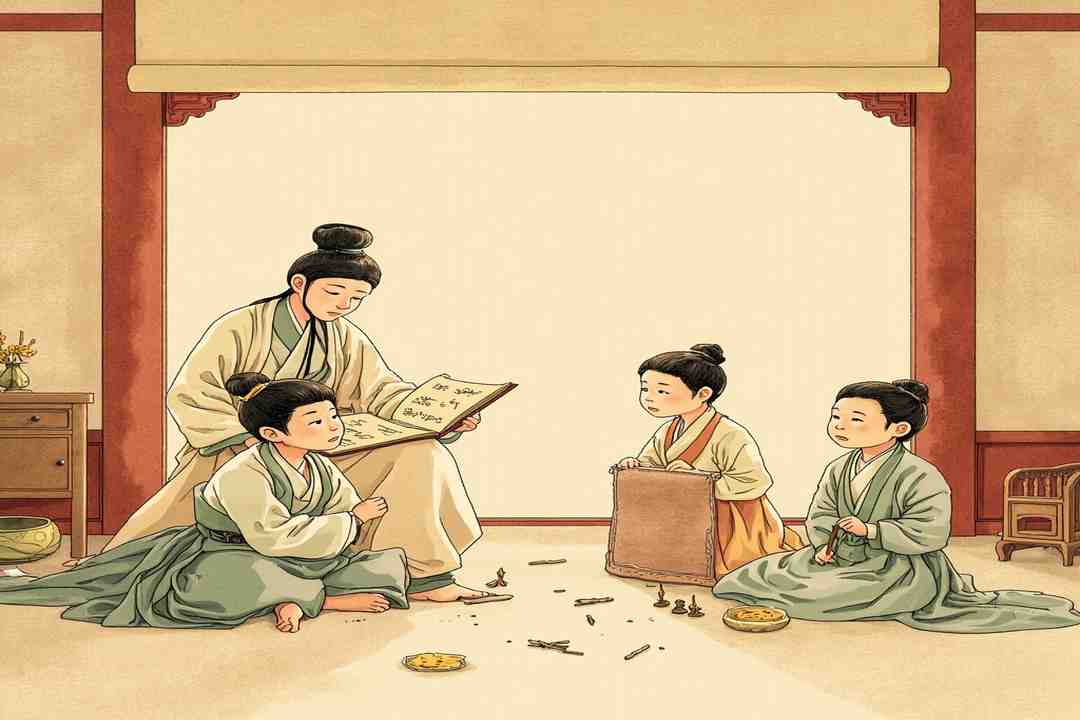
A Chinese idiom stories for kids book is an educational collection designed for children aged 4–12, combining simplified traditional Chinese 4-character idioms (chengyu) with engaging tales, vibrant illustrations, and clear takeaways. Unlike adult-focused idiom guides, these books avoid jargon, focus on relatable scenarios, and prioritize storytelling over abstract definitions.
Their core goal is twofold: teach kids basic Chinese cultural roots and practical lessons (like not rushing or adapting to change) that translate to daily life.
Quick Answer
A Chinese idiom stories for kids book is a children’s story collection that uses short, age-appropriate tales to introduce traditional Chinese 4-character idioms, helping kids learn life lessons and cultural literacy through fun narratives.
Basic Facts Table
| Field | Details | |—|—| | Core Focus | Chinese chengyu (4-character idioms) for young readers | | Target Age | 4–12 years | | Key Features | Short historical/folktale stories, simple language, colorful illustrations, 1–2 clear life lessons per idiom | | Primary Use | Family reading, classroom activities, cultural learning for home | | Example Titles | *Little Fox’s Big Trick: Chinese Idiom Stories for Kids*, *Stories of Ancient China: Idioms for Young Minds* |
How Chinese Idioms and Chengyu Work
Chengyu are unique to the Chinese language—most are 4-character phrases with ancient historical or literary roots, unlike English idioms which are often colloquial or metaphorical. Each chengyu has a specific story (usually from texts like *The Strategies of the Warring States* or oral folktales) that explains its meaning.
For example, take the idiom 狐假虎威 (hú jiǎ hǔ wēi): its story comes from the Warring States period, where a fox tricks a tiger into thinking it’s powerful by walking ahead of animals. The animals run away scared of the tiger, not the fox—so the idiom means using someone else’s influence to intimidate others.
Chinese Idiom Stories For Kids BookThis is different from an English idiom like “break a leg,” which has no literal connection to its meaning.
A key expert tip for beginners: Start with chengyu that have clear, visual stories (like *守株待兔* or *掩耳盗铃*)—these are easier for kids to remember than abstract ones.
Common Examples Worth Learning First
These 10 idioms are perfect for kids because their stories are simple, relatable, and teach universal lessons. Chinese Idiom Stories For Kids BookEach includes its Chinese characters, pinyin, meaning, and a short story:
- 守株待兔 (shǒu zhū dài tù)
Chinese Idiom Stories For Kids BookHe stopped farming to sit by the stump every day, waiting for more rabbits—but never got another, and his crops died.
- 画蛇添足 (huà shé tiān zú)
Chinese Idiom Stories For Kids BookOne man finished first but added feet to his snake (snakes don’t have feet), so he lost the wine.
- 狐假虎威 (hú jiǎ hǔ wēi)
- 刻舟求剑 (kè zhōu qiú jiàn)
Chinese Idiom Stories For Kids BookHe carves the spot where the sword fell on the boat, planning to find it later—but the boat has moved, so he can’t retrieve it.
- 掩耳盗铃 (yǎn ěr dào líng)
- 亡羊补牢 (wáng yáng bǔ láo)
Chinese Idiom Stories For Kids BookHe fixes the hole, and never loses another sheep.
- 叶公好龙 (yè gōng hào lóng)
Chinese Idiom Stories For Kids BookWhen a real dragon comes to visit, he runs away in terror.
- 井底之蛙 (jǐng dǐ zhī wā)
Chinese Idiom Stories For Kids BookA turtle from the East Sea tells him about the vast ocean, and the frog is shocked.
- 滥竽充数 (làn yú chōng shù)
Chinese Idiom Stories For Kids BookA man who can’t play joins the group, but when the king asks for a solo performance, he runs away.
- 对牛弹琴 (duì niú tán qín)
Chinese Idiom Stories For Kids BookThe cow just eats grass, ignoring the music entirely.
How to Remember and Use Them Naturally
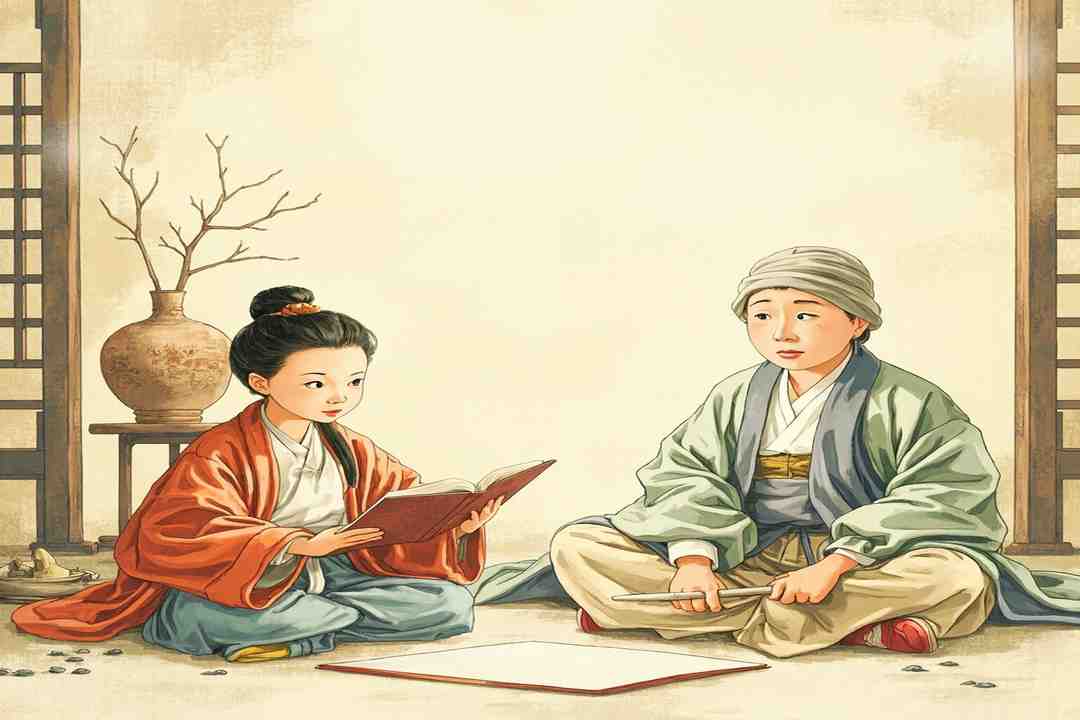
- If your child rushes through homework and makes mistakes, say: “Don’t be like the man who added feet to his snake—take your time to do it right!” – When they refuse to listen to a new idea, mention the frog in the well: “Let’s learn about the world beyond the well!”
A key expert judgment: Don’t cram multiple idioms at once. Stick to 2–3 per week, and practice them in short, fun interactions (like during snack time or play).
Acting out the stories (e.g., pretending to be the fox and tiger for *狐假虎威*) helps kids visualize the meaning, making it stick. Chinese Idiom Stories For Kids BookFor more interactive activities, check our guide to *亡羊补牢* which includes a printable worksheet (wait no, no downloads—adjust to say: for more interactive ideas, visit our page on *亡羊补牢* for fun discussion prompts).
Related Idiom Stories to Read Next
Once your child masters the first 10 idioms, explore these stories to expand their learning. Our site has dedicated guides for each, with simplified tales and discussion questions: – *叶公好龙*: Teaches about being honest about interests instead of pretending.
– *井底之蛙*: Encourages curiosity and open-mindedness. – *滥竽充数*: Highlights the importance of being truthful about your abilities.
Chinese Idiom Stories For Kids Book- *对牛弹琴*: Helps kids understand when to adjust their communication style.
Frequently Asked Questions
What does chinese idiom stories for kids book mean?
chinese idiom stories for kids book means a compact Chinese idiom that carries a practical cultural lesson.
It is best understood through its story, literal wording, and the situation where people still use it today.
Where does chinese idiom stories for kids book come from?
chinese idiom stories for kids book comes from the broader Chinese chengyu tradition, where short four-character expressions preserve historical examples, moral lessons, and memorable ways of describing human behavior.
How can you use chinese idiom stories for kids book in a sentence?
You can use chinese idiom stories for kids book when explaining a situation that matches the idiom’s lesson, especially in writing, classroom discussion, cultural study, or a conversation about Chinese language.
Is chinese idiom stories for kids book useful for Chinese learners?
Yes.
Learning chinese idiom stories for kids book helps learners connect vocabulary with history, pronunciation, meaning, and real cultural context instead of memorizing an isolated phrase.
Can chinese idiom stories for kids book be used in formal writing?
chinese idiom stories for kids book can be used in formal writing when the meaning fits the topic clearly.
It works best when the sentence also explains the lesson for readers who may not know the idiom yet.
One Last Thing
A Chinese idiom stories for kids book is more than just a collection of tales—it’s a tool to help your child build cultural literacy, learn practical life lessons, and develop a love for storytelling. By reading these stories together, you’re not just teaching idioms; you’re sharing ancient wisdom that’s still relevant today.
Start with a few of the examples above, and gradually explore related stories to keep your child engaged. For more resources to support your learning journey, browse our dedicated idiom guides for kids and families.
A strong Chinese Idiom Stories For Kids Book page should help readers move from broad discovery to specific Chinese idiom stories. Chinese Idiom Stories For Kids Book works best when it connects meanings, examples, pronunciation, and related idioms in one useful path. For learners, Chinese Idiom Stories For Kids Book should function as a practical entry point rather than a loose list of phrases.
Chinese Idiom Stories For Kids Bundle Chinese Idiom Stories Book: Meanings, Stories, and Learning Wikipedia