If you’re a parent looking to introduce Chinese culture to your child in a fun, memorable way, or a young reader curious about stories that teach valuable lessons, you’ve likely come across Chinese idioms—called chengyu. A chinese idiom stories for kids bundle is a curated collection of these short, impactful phrases paired with age-appropriate stories, designed to help kids grasp their meanings without feeling overwhelmed.
Quick Answer
A Chinese idiom stories for kids bundle works best when each idiom gives children a short story, a clear meaning, a simple example, and a safe usage note.
Basic Facts
- Topic: Chinese idiom stories for children
- Best use: Parents, teachers, printable lessons, and beginner culture reading
- Check first: Story clarity, child-friendly examples, and modern usage
- Common mistake: Turning the idiom into a moral slogan without showing the story
Related reading: Explore more grouped idioms in Chinese idioms by theme.
Quick reference: Chinese idiom stories for kids bundle = story + meaning + example + age fit + related idiom path.
This guide will break down what the bundle includes, how chengyu work, common examples to start with, and how to use these stories to make learning engaging.
What chinese idiom stories for kids bundle Means
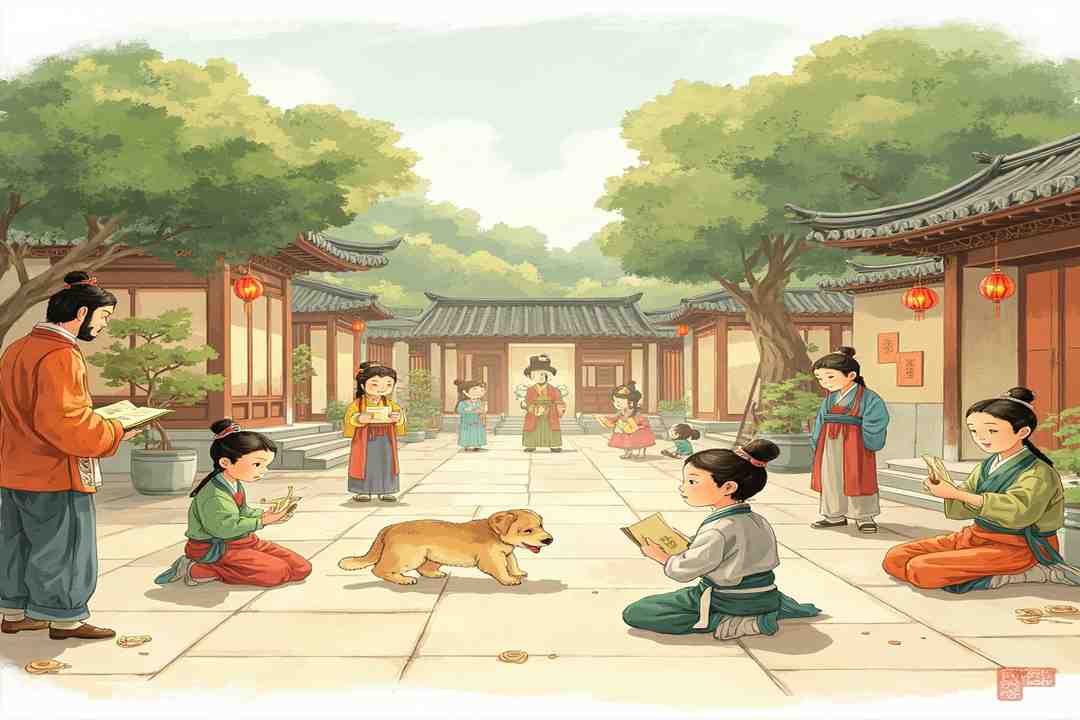
This bundle is not just a list of definitions—it’s a learning tool tailored for children, usually containing 10 to 15 chengyu, each with: simplified Chinese characters, pinyin (for pronunciation), plain English meaning, a short story that’s easy to follow, and a relatable moral. Unlike adult-focused chengyu resources, it avoids complex historical jargon and focuses on stories kids can connect to—like animals, everyday mistakes, or playful adventures.
For example, instead of a dense historical anecdote, a story might follow a fox tricking a tiger, making the idiom’s meaning stick. Chinese Idiom Stories For Kids BundleThe bundle is designed for both native Chinese-speaking kids and English learners, balancing cultural accuracy with simplicity.
How Chinese Idioms and Chengyu Work
Chengyu are unique to the Chinese language: they are almost always four characters long, and each one has a specific origin story from ancient fables, literature, or historical events. This is a key difference from English idioms, which are often random phrases with no clear origin (like “break a leg”).
Chengyu, on the other hand, carry a built-in lesson or message that’s easy to remember. For instance, the idiom 狐假虎威 (hú jiǎ hǔ wēi) comes from a fable where a fox uses a tiger’s strength to scare other animals—teaching the lesson that some people use others’ power to intimidate others.
Experts note that chengyu are a great way to build both vocabulary and cultural understanding at the same time. Chinese Idiom Stories For Kids BundleFor a more detailed breakdown of chengyu origins, you can refer to the Ministry of Education’s Chinese Idiom Dictionary (source: edu.cn).
Common Examples Worth Learning First
Starting with a small set of chengyu helps kids build confidence. Chinese Idiom Stories For Kids BundleHere are five of the most kid-friendly ones, with their stories and meanings:
- 狐假虎威 (hú jiǎ hǔ wēi): Literally “fox borrows tiger’s power.” Story: A fox meets a hungry tiger and pretends to be the king of animals. The tiger follows the fox, and other animals run away in fear—scared of the tiger, not the fox.
- Chinese Idiom Stories For Kids BundleMeaning: To use someone else’s influence to bully others.
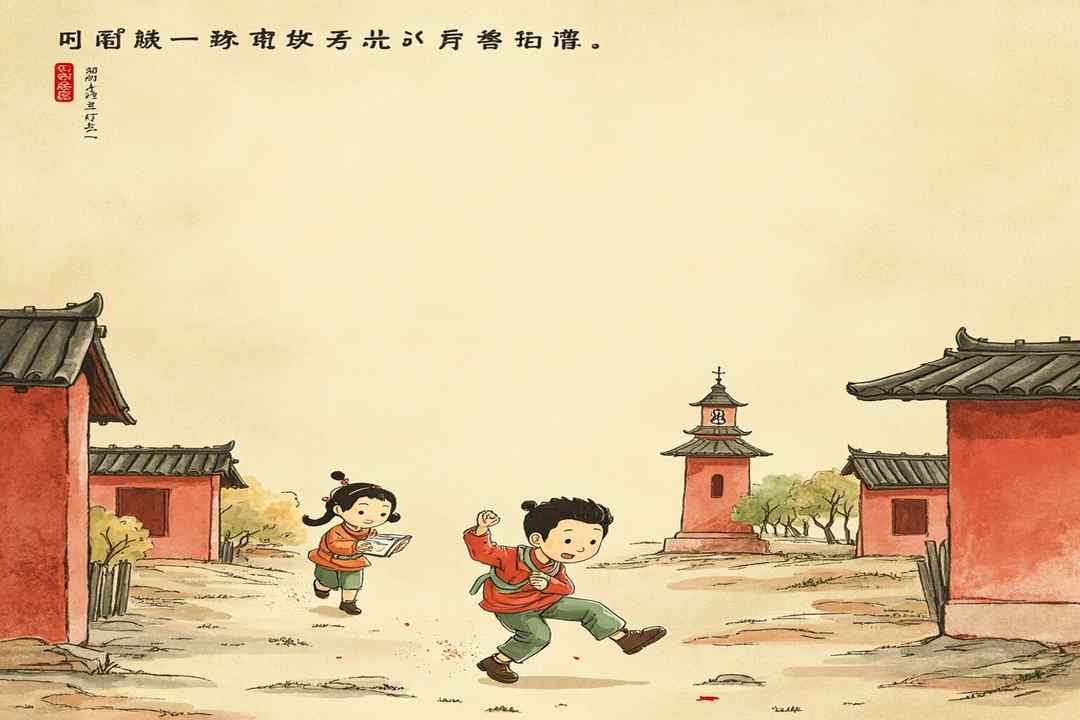
- 守株待兔 (shǒu zhū dài tù): Literally “guard a tree stump and wait for a rabbit.” Story: A farmer finds a rabbit that hits a stump and dies. He stops working to wait for more rabbits, but never gets another.
- Chinese Idiom Stories For Kids BundleMeaning: Waiting for luck instead of putting in effort.
- 画蛇添足 (huà shé tiān zú): Literally “draw a snake and add feet.” Story: Two men draw snakes to win a wine prize. One finishes first, then adds feet to his snake—but another finishes his real snake and takes the wine.
- Chinese Idiom Stories For Kids BundleMeaning: Overdoing something that’s already perfect.
- 拔苗助长 (bá miáo zhù zhǎng): Literally “pull seedlings to help them grow.” Story: A farmer pulls his rice seedlings to make them grow faster, but they all die. Chinese Idiom Stories For Kids BundleMeaning: Rushing things leads to bad results.
- 掩耳盗铃 (yǎn ěr dào líng): Literally “cover ears to steal a bell.” Story: A man steals a bell, thinking if he covers his own ears, no one else will hear it. Chinese Idiom Stories For Kids BundleMeaning: Tricking yourself into ignoring obvious problems.
How to Remember and Use Them Naturally
The best way for kids to remember chengyu is to use them in daily life. For example, if your child adds extra crayon marks to a simple drawing, you can say, “Wait—you’re drawing a snake and adding feet again!” This connects the idiom to a real moment, making it stick.
Another tip: act out the stories together. Role-play the fox and tiger for 狐假虎威, or the farmer waiting for rabbits for 守株待兔.
Experts recommend focusing on 2-3 chengyu a week, so kids don’t get overwhelmed. Chinese Idiom Stories For Kids BundleYou can also use small activities, like matching the idiom to its story, to reinforce learning without pressure.
Related Idiom Stories to Read Next
Once kids master the first five, move to these five more, each with a short story and clear meaning. For each, MengxueClass has a full story page to dive deeper into their origins: – 亡羊补牢 (wáng yáng bǔ láo): “Lose a sheep and mend the pen.” Story: A shepherd loses sheep because his pen has holes.
He fixes the pen after losing more sheep, and no more are lost. Meaning: Fix a problem after it’s too late to prevent it fully, but better late than never.
– 坐井观天 (zuò jǐng guān tiān): “Sit in a well and look at the sky.” Story: A frog in a well thinks the sky is small, until a bird tells him the sky is huge. Meaning: Having a narrow view because of limited experience.
– 对牛弹琴 (duì niú tán qín): “Play the lute to a cow.” Story: A musician plays for a cow, but the cow doesn’t understand. Meaning: Wasting time explaining something to someone who can’t understand.
– 盲人摸象 (máng rén mō xiàng): “Blind men touch an elephant.” Story: Each blind man touches a different part of an elephant and thinks it’s something else (a pillar, a snake, etc.). Meaning: Only seeing part of a whole, not the full picture.
– 刻舟求剑 (kè zhōu qiú jiàn): “Carve a mark on the boat to find a sword.” Story: A man drops his sword in the river, carves a mark on the boat, and looks for the sword later—even though the boat moved. Meaning: Sticking to old ways that don’t work anymore.
Frequently Asked Questions
What is the origin of the “Chinese idiom stories for kids bundle”?
This phrase refers to a modern educational resource, not an ancient traditional Chinese idiom.
Its origin dates to early 21st-century Chinese language education efforts, created to make complex Chinese four-character idioms (chengyu) accessible to young children.
The bundle was developed by language educators and children’s content creators, who adapted ancient idiom origins into short, illustrated, age-appropriate stories to teach both language and cultural context in a fun way.
What does “Chinese idiom stories for kids bundle” mean in plain English?
In simple terms, it is a packaged collection of short, entertaining stories about common Chinese idioms, designed specifically for children.
The bundle’s core goal is to help kids learn idioms by connecting them to relatable, narrative tales rather than just memorizing dry definitions.
How do you use “Chinese idiom stories for kids bundle” in a sentence?
Example sentence: “My 6-year-old niece loves playful learning, so I got her a Chinese idiom stories for kids bundle for her birthday that includes audio versions of each story to make listening easy.”
What is the literal meaning of “Chinese idiom stories for kids bundle”?
The literal meaning breaks down each component: “Chinese idiom” refers to traditional four-Chinese-character sayings with deep historical and cultural roots; “stories” are narrative accounts explaining each idiom’s original context; “for kids” means the content is simplified and engaging for young learners; and “bundle” means a pre-packaged set of these educational materials.
Can “Chinese idiom stories for kids bundle” be used in formal writing?
No, this phrase is informal and refers to a commercial or educational product, so it is not suitable for formal writing.
Formal contexts (such as academic papers, official reports, or professional communications) require more precise, formal phrasing like “a curated collection of simplified Chinese idiom stories for juvenile learners” instead of the casual, product-focused term.
One Last Thing
A Chinese idiom stories for kids bundle is more than just a learning resource—it’s a fun way to share Chinese culture with your child, spark curiosity, and teach valuable life lessons through stories. Whether you read one story a day, act them out together, or use the idioms in daily conversations, these phrases will stick with your child long after the story ends.
For more detailed stories, activities, and resources, check out MengxueClass’s dedicated pages for each idiom, designed to make learning easy and enjoyable.
A strong Chinese Idiom Stories For Kids Bundle page should help readers move from broad discovery to specific Chinese idiom stories. Chinese Idiom Stories For Kids Bundle works best when it connects meanings, examples, pronunciation, and related idioms in one useful path.
For learners, Chinese Idiom Stories For Kids Bundle should function as a practical entry point rather than a loose list of phrases. Chinese Idiom Stories For Kids Bundle can also guide readers toward deeper pages about individual chengyu stories and usage examples.
That is why Chinese Idiom Stories For Kids Bundle needs clear examples, internal pathways, and concise explanations.
How to Use This Chinese Idiom Stories For Kids Bundle Page as a Reading Path
A strong Chinese Idiom Stories For Kids Bundle page should work like a map, not a loose article. Readers may arrive with a broad question, but they should leave with several specific idioms to explore next, such as phrases about learning, caution, wisdom, patience, and everyday mistakes.
One practical way to read Chinese idiom stories is to group them by the lesson they teach. Some idioms warn against careless decisions, some describe persistence, and others show how a small misunderstanding can become a larger problem.
This grouping helps learners remember the meaning instead of memorizing isolated translations.
That is why Chinese Idiom Stories For Kids Bundle should connect broad explanations with individual story pages. The broad page builds context, while the single-idiom pages give the deeper origin, examples, pronunciation, and cultural detail.
A strong Chinese Idiom Stories For Kids Bundle page should help readers move from broad discovery to specific Chinese idiom stories. Chinese Idiom Stories For Kids Bundle works best when it connects meanings, examples, pronunciation, and related idioms in one useful path. For learners, Chinese Idiom Stories For Kids Bundle should function as a practical entry point rather than a loose list of phrases.
What Chinese Idiom Stories Bundle Means and How to Use It Wikipedia