一丝不苟 (yi si bu gou idiom). If you’ve ever watched a master craftsman spend hours polishing a tiny detail on a hand-carved wooden statue, or a student check every line of their homework three times to avoid mistakes, you’ve witnessed the spirit of the yi si bu gou idiom—one of the most widely used Chinese idioms for describing meticulous, detail-oriented work.
This idiom isn’t just a phrase; it’s a reflection of a cultural value that emphasizes precision and care, especially in tasks that demand accuracy. For anyone learning Chinese idioms or looking to add depth to their vocabulary with cross-cultural expressions, understanding yi si bu gou can open doors to more nuanced conversations about work ethic, quality, and attention to detail.
In this article, we’ll break down its origin, literal and figurative meanings, practical usage, and why it remains relevant today.

The Story Behind yi si bu gou idiom
The yi si bu gou idiom has its roots in the Qing Dynasty (1644–1912), a period known for its rich literary works that explored social norms and human character. Specifically, it comes from the classic novel *Rulin Waishi* (The Scholars), written by Wu Jingzi in the 18th century.
The novel satirizes the rigid civil service examination system of the time, while also highlighting virtues of integrity and thoroughness in public service. The idiom originated from a description of a diligent official named Tang Tiexian, who served as a local administrator.
Tang was famous for his approach to handling official documents: he would review every single line, every character, and even the smallest punctuation mark with extreme care. Legend says he once spent three days correcting a single report because he noticed a misplaced comma that could change the meaning of a policy.
His colleagues admired him for this, and soon the phrase yi si bu gou (literally “not even one strand is careless”) was used to describe his meticulous nature. Over time, the idiom became widely adopted in Chinese to refer to anyone who pays close attention to every tiny detail, regardless of the task’s size.
This origin story adds depth to the idiom, linking it to historical values of accountability and excellence in public roles. It is not a myth but a documented reference from one of China’s most influential satirical novels, making its origin factual and reliable for learners of Chinese culture.
What yi si bu gou idiom (一丝不苟) Really Means
The literal translation of yi si bu gou is “not one strand is careless.” The phrase uses “yi si” (one strand) to represent the smallest possible detail in a task, and “bu gou” (not careless) to emphasize thoroughness. Figuratively, the idiom describes a person who is extremely meticulous, paying attention to even the tiniest details and never cutting corners or overlooking small mistakes.
It carries a consistently positive connotation, praising the quality of being precise and careful—unlike some English phrases that might imply over-caution, yi si bu gou is generally used to highlight a desirable trait. For example, in engineering, medicine, or art, this trait is highly valued because small oversights can lead to significant consequences.
A common mistake learners make with this idiom is using it for trivial, everyday tasks where meticulousness isn’t necessary. For instance, saying “I am yi si bu gou about choosing my coffee order” would be incorrect, as this task doesn’t require the level of precision the idiom implies.
Instead, it should be reserved for tasks that demand careful attention to details, such as drafting a legal document, conducting a scientific experiment, or creating a piece of handcrafted art. Yi Si Bu Gou IdiomThis distinction is key to using the idiom naturally and correctly in conversations.
How to Use yi si bu gou idiom in Conversation
The yi si bu gou idiom is versatile and can be used in both formal and informal contexts, though it’s more common in situations where professionalism or care is emphasized. Let’s look at four practical, real-world examples of how to use it:
- Workplace Setting: “Our team’s senior software developer approaches every code review with the yi si bu gou idiom, checking for even minor syntax errors or logical gaps that could cause system crashes.” This sentence highlights how the idiom is used to praise a colleague’s attention to detail in a professional, high-stakes context.
- Culinary Context: “The head pastry chef at this three-Michelin-starred restaurant uses the yi si bu gou idiom when preparing desserts—they weigh each ingredient to the exact gram and inspect every garnish before it reaches the customer.” Here, the idiom emphasizes the precision required in top-tier culinary work, where taste and presentation depend on small details.
- Educational Context: “My daughter’s elementary school teacher applies the yi si bu gou idiom when grading math papers, marking even the smallest calculation errors to help students build a habit of precision.” This example shows how the idiom is used in an educational setting to describe a teacher’s commitment to thoroughness and student growth.
- Craft Context: “The retired cabinet maker uses the yi si bu gou idiom when building custom furniture, sanding every surface three times and checking joints with a level to ensure no gaps or rough edges.” This example ties the idiom to a hands-on, skilled trade, proving its relevance across different fields beyond office or academic work.
When using the idiom, it’s important to pair it with actions or tasks that require precision. Avoid using it for casual, low-stakes activities, as this can make the usage sound unnatural.
Yi Si Bu Gou IdiomFor English speakers learning Chinese, practicing these examples in role-play scenarios or writing exercises can help solidify correct usage and build confidence in applying the idiom.
Why yi si bu gou idiom Matters Today
In a fast-paced world where efficiency is often prioritized over thoroughness, the yi si bu gou idiom reminds us of the value of slowing down and paying attention to details. This is especially relevant in fields like technology, healthcare, and education, where small mistakes can have large, lasting consequences.
For example, a nurse who uses the yi si bu gou approach will double-check medication dosages to avoid harmful errors, while a graphic designer will ensure every element of a brand’s logo is aligned correctly to maintain its professional image. For parents teaching their children about work ethic, this idiom is a great tool to explain that pride in a task comes from caring about every part of it—not just finishing quickly.
Additionally, the idiom is widely recognized in both China and among Chinese communities around the world, making it a useful phrase for cross-cultural communication. When using it in conversation with native Chinese speakers, it signals that you understand and respect their cultural values around quality and thoroughness, helping to build deeper connections.
Related Idioms
If you’re looking for similar expressions to yi si bu gou, there are both English and Chinese equivalents that capture the same spirit of precision and care. In English, phrases like “dot the i’s and cross the t’s,” “meticulous to a fault,” or “paying attention to every last detail” convey closely related meanings.
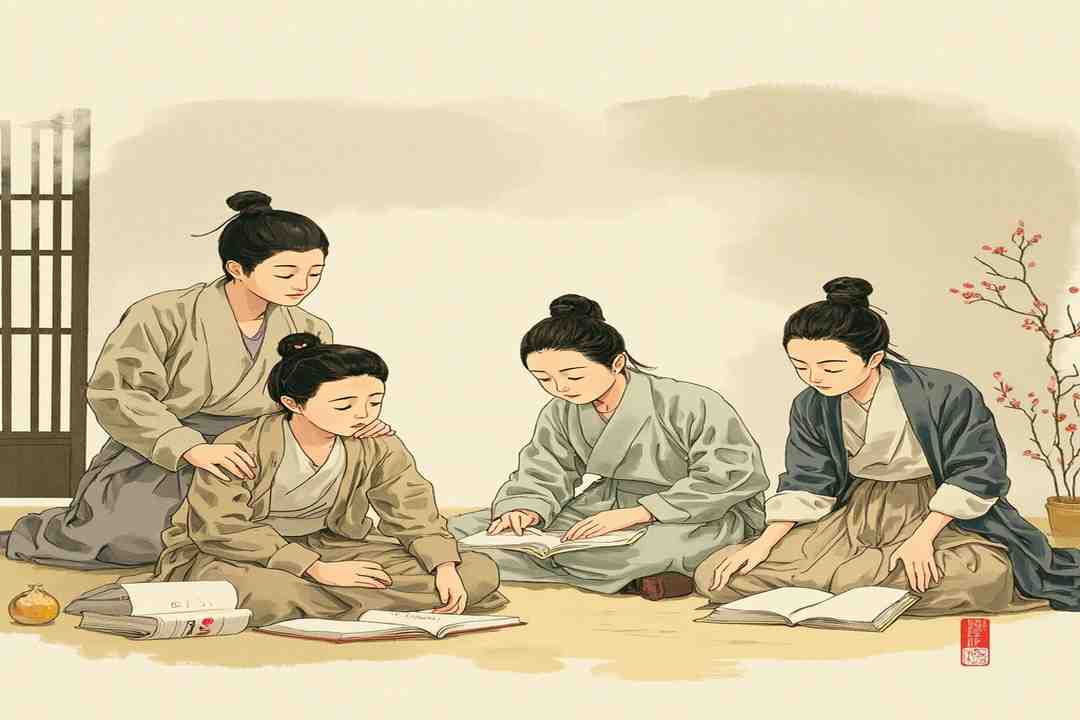
In Chinese, idioms like “jing qiu jing wei” (精雕细琢), which means to carve or craft something with extreme care, and “yi hao bu cha” (一号不差), meaning not one bit wrong, are especially relevant. Yi Si Bu Gou Idiom These idioms share the core theme of prioritizing small details, making them useful additions to your vocabulary when discussing careful work or high-quality results.
Frequently Asked Questions
What is the origin of the yi si bu gou idiom?
The idiom “yi si bu gou” (Chinese characters: 一丝不苟) originates from the 18th-century Qing Dynasty novel *The Scholars* (Rulin Waishi) by writer Wu Jingzi.
It was first used to praise a highly skilled craftsman whose work was so precise that not even the tiniest detail was done carelessly; over time, it has evolved to describe any person or action marked by extreme care and attention to detail.
What does yi si bu gou idiom mean in plain English?
In plain English, yi si bu gou means being extremely meticulous, careful, and precise—never being careless or neglectful, even with the smallest, most trivial parts of a task, project, or responsibility.
How do you use yi si bu gou idiom in a sentence?
A natural, everyday example sentence is: “My senior graphic designer is yi si bu gou when creating brand logos; she adjusts even the thickness of a line or spacing between letters to match the client’s exact vision.”
What is the literal meaning of yi si bu gou idiom?
The literal meaning comes directly from the individual Chinese characters that make up the idiom: 一 (yī, meaning “one”), 丝 (sī, meaning “tiny thread or small bit”), 不 (bù, meaning “not”), and 苟 (gǒu, meaning “careless or negligent”).
When translated literally, this breaks down to “not even one tiny bit is careless.”
Can yi si bu gou idiom be used in formal writing?
Yes, yi si bu gou is a standard, widely recognized formal idiom that is appropriate for use in formal writing.
It is commonly used in professional reports, academic papers, official communications, and formal essays to describe careful, precise work or behavior, as it carries a tone of seriousness and professionalism that fits formal contexts.
One Last Thing
The yi si bu gou idiom is more than just a set of characters or words—it’s a window into Chinese culture’s appreciation for precision and care. Whether you’re using it to praise a colleague’s work, teaching it to your child, or simply expanding your vocabulary, this idiom offers a meaningful way to describe the value of attention to detail.
By understanding its origin, correct usage, and related expressions, you can use it confidently in both Chinese and English conversations. Remember, the next time you see someone taking extra care with a task, you can nod and say, “That’s the yi si bu gou spirit.”

The Yi Si Bu Gou Idiom idiom encapsulates wisdom from ancient China. Yi Si Bu Gou Idiom continues to appear in modern Chinese writing and everyday speech. Learning Yi Si Bu Gou Idiom helps English speakers appreciate classical Chinese expression.
Yi Si Bu Gou Idiom reflects centuries of Chinese linguistic and cultural tradition. Yi Si Bu Gou Idiom demonstrates the depth of four-character Chinese idioms.
Jing Yi Qiu Jing Idiom: Meaning, Story, and Real Usage You Tiao Bu Wen Idiom: Meaning, Story, and Real Usage Ju Yi Fan San Idiom: Meaning, Story, and Real Usage Wikipedia