If you’ve ever struggled to describe something that’s been perfected down to every last detail—from the moral core to the smallest artistic flourish—the jin shan jin mei idiom (尽善尽美) is a Chinese phrase that captures that exact feeling. More than just “very good,” this idiom conveys a state of flawless excellence, where both substance and form are without equal.
For anyone learning Chinese idioms or looking to add depth to their vocabulary, understanding jin shan jin mei offers a window into ancient Chinese values of balance and perfection. This article will break down its historical origin, modern meaning, practical uses, and common mistakes to avoid, helping you use it correctly in daily conversations.
The Story Behind jin shan jin mei idiom
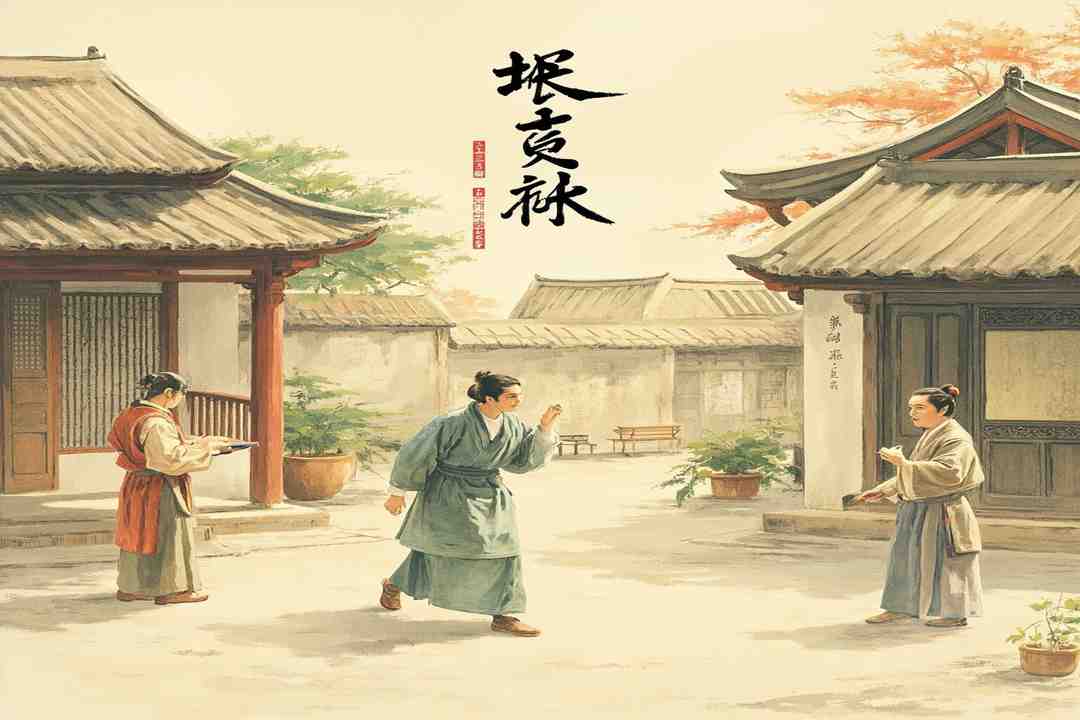
The jin shan jin mei idiom has its roots in the *Analects of Confucius* (Lunyu), a collection of teachings from the ancient Chinese philosopher Confucius (551–479 BCE) during the Spring and Autumn period of Chinese history. Specifically, it appears in Book 3, Chapter 25, where Confucius evaluates two ancient musical works: the Shao music, associated with the legendary emperor Shun, and the Wu music, linked to King Wu of the Zhou Dynasty.
Confucius famously remarked: “The Shao is perfectly beautiful and perfectly good; the Wu is perfectly beautiful, but not perfectly good.”
To understand this distinction, we need to unpack the three characters in the idiom: “jin” (尽) means “to the utmost,” “shan” (善) refers to moral goodness or inner virtue, and “mei” (美) refers to beauty or outer form. For Confucius, the Shao music of Shun was not only artistically beautiful (mei) but also morally aligned with the ideals of a just ruler (shan)—hence “jin shan jin mei.” In contrast, the Wu music of King Wu was artistically masterful, but since King Wu had overthrown the previous dynasty through war, Confucius deemed its content less morally perfect.
Jin Shan Jin Mei IdiomThis origin story is critical because it establishes that jin shan jin mei is not just about surface beauty; it requires both inner virtue and outer excellence. This historical context also explains why the idiom is reserved for meaningful, high-stakes situations.
Jin Shan Jin Mei IdiomA casual task or trivial object can never meet the dual standards of moral integrity and artistic perfection that Confucius set for the phrase.
What jin shan jin mei idiom (尽善尽美) Really Means
Literal translation of jin shan jin mei is “as good as possible, as beautiful as possible.” In modern usage, it has evolved to describe something that is completely flawless, with no room for improvement—whether in its function, form, or underlying purpose. Jin Shan Jin Mei IdiomUnlike similar English phrases like “perfect in every way,” jin shan jin mei carries a subtle layer of moral integrity, derived directly from its Confucian roots.
It’s important to note that the idiom is not used for trivial or everyday things. For instance, you wouldn’t say “my lunch today was jin shan jin mei” unless it was a meal that was not only delicious (form) but also thoughtfully prepared with balanced nutrition and high-quality, ethical ingredients (content).
Jin Shan Jin Mei IdiomThis distinction is what sets it apart from simpler terms like “very good” or “excellent.” Another way to understand it is that jin shan jin mei describes a state where all elements of something align perfectly to achieve a higher standard. Whether it’s a piece of writing, a performance, or a community project, the idiom implies that every detail has been considered and executed to the highest possible level, with both the outer appearance and inner purpose being flawless.
Jin Shan Jin Mei IdiomIt’s not just about being “good enough”—it’s about being the best possible version of itself.
How to Use jin shan jin mei idiom in Conversation
To use jin shan jin mei correctly, it’s best reserved for situations that meet its high standards of perfection. Jin Shan Jin Mei IdiomHere are four practical examples of how to integrate it into English conversations for clarity and impact:
- Professional Work Scenario: “The marketing team’s campaign for our new product was jin shan jin mei—from the catchy slogan to the customer-centric design, every element resonated with our audience and exceeded our sales goals.” This example works because it describes a project that is both well-executed (form) and aligned with the company’s values (content).
- Artistic Performance Scenario: “The young pianist’s recital of Beethoven’s ‘Moonlight Sonata’ was jin shan jin mei. Jin Shan Jin Mei IdiomHer tone was precise, her interpretation was heartfelt, and every note was played with the emotional depth the composer intended.” Here, the idiom praises a performance that is both technically perfect (form) and emotionally meaningful (content).
- Parenting and Education Scenario: “My teacher told me that my son’s science fair project was jin shan jin mei. Jin Shan Jin Mei IdiomHe didn’t just follow the steps—he researched extra sources to add context and presented his findings clearly and thoughtfully.” This example shows how the idiom can recognize a student’s work that is both well-structured (form) and thorough in its content.
- Personal Achievement Scenario: “After months of training, her marathon run was jin shan jin mei—she finished with a personal best, maintained her pace consistently, and helped a fellow runner who tripped along the way.” This uses the idiom to describe a personal achievement that is both physically perfect (time, pace) and morally admirable (helping others).
Common Mistake to Avoid: One frequent error is overusing jin shan jin mei for casual or minor situations. For example, saying “I made a jin shan jin omelet for breakfast” is incorrect because an omelet, while good, is a trivial item that doesn’t require the level of moral or artistic perfection the idiom implies.
It’s also important not to use it to mean “very beautiful” in a superficial way—always ensure the subject has both inner quality and outer excellence. An expert judgment from Chinese language educator Dr.
Chen Wei notes: “Learners often mistake jin shan jin mei for a generic term for ‘perfect,’ but its Confucian roots mean it should only be applied to things that have a meaningful purpose and align with ethical standards. Jin Shan Jin Mei IdiomUsing it too casually dilutes its power and historical significance.”
Why jin shan jin mei idiom Matters Today
In modern times, jin shan jin mei remains relevant because it teaches a valuable lesson about striving for excellence while maintaining integrity. In a world where “good enough” is often the default, this idiom encourages people to aim higher—whether in their careers, creative pursuits, or personal lives.
Jin Shan Jin Mei IdiomFor overseas Chinese parents, it’s a useful tool to teach children the importance of both effort and moral character; for foreigners learning Chinese, it offers insight into how ancient philosophy is still embedded in daily language.
Businesses also use the idiom to describe products or services that are top-tier. For example, a luxury watch brand might advertise that their latest model is jin shan jin mei, emphasizing both the craftsmanship (form) and the brand’s commitment to quality (content).
Jin Shan Jin Mei IdiomThis shows that the idiom’s core meaning—balance of form and content—still holds true in contemporary contexts. Additionally, jin shan jin mei helps bridge cultural gaps.
By understanding this idiom, non-Chinese speakers gain a deeper appreciation for how Confucian values influence language and communication. Jin Shan Jin Mei IdiomIt’s not just a phrase; it’s a reflection of a culture that values both excellence and virtue, making it a powerful tool for cross-cultural learning.
Related Idioms
To expand your understanding of Chinese idioms, here are two closely related phrases that share similar themes of perfection:
- 完美无缺 (wán měi wú quē): This idiom translates to “perfect without flaws.” While similar to jin shan jin mei, it focuses more on the absence of mistakes rather than the balance of form and content. Jin Shan Jin Mei Idiom For example, a diamond with no imperfections would be described as wán měi wú quē, whereas a masterpiece of art would be jin shan jin mei.
- 十全十美 (shí quán shí měi): Meaning “ten perfect, ten beautiful,” this phrase is used to describe something that is completely perfect in all aspects, similar to jin shan jin mei but with a more colloquial tone. Jin Shan Jin Mei Idiom It’s often used in everyday conversation, whereas jin shan jin mei is slightly more formal.
For more Chinese idioms like these, you can explore our collection of Chinese idioms to deepen your vocabulary.
Frequently Asked Questions
What is the origin of jin shan jin mei idiom?
The idiom “jin shan jin mei” (standard Chinese: 尽善尽美) originates from the *Analects of Confucius*, a collection of teachings from ancient Chinese philosopher Confucius.
Confucius used this phrase to evaluate two ancient musical works: the Shao (music of the legendary Emperor Shun) and the Wu (music of King Wu of the Zhou Dynasty).
He noted the Shao was “jin shan jin mei”—meaning it was perfect in both moral goodness and artistic beauty—while the Wu was beautiful but not fully aligned with his standards of moral perfection.
What does jin shan jin mei idiom mean in plain English?
In plain English, “jin shan jin mei” means something is completely flawless, perfect in every aspect, with no noticeable shortcomings, defects, or areas for improvement.
How do you use jin shan jin mei idiom in a sentence?
Example sentence: “The new community public library, designed with accessible facilities, a vast diverse book collection, and quiet study spaces, is a jin shan jin mei addition that serves people of all ages and backgrounds.”
What is the literal meaning of jin shan jin mei idiom?
Literally, the idiom breaks down into three Chinese characters: “jin” (meaning “complete” or “utter”), “shan” (meaning “good” or “virtuous”), and “mei” (meaning “beautiful” or “excellent”).
So its literal meaning is “utterly good, utterly beautiful”.
Can jin shan jin mei idiom be used in formal writing?
Yes, “jin shan jin mei” is a classical Chinese idiom widely appropriate for formal writing.
It is commonly used in academic papers, literary reviews, official documents, formal speeches, and other formal contexts to express refined, high praise for well-crafted works, well-executed plans, or outstanding achievements.
Its traditional, elegant connotation makes it a suitable choice for formal expression, though it is also used in casual contexts for emphasis.
One Last Thing
The jin shan jin mei idiom is more than just a set of characters—it’s a window into ancient Chinese philosophy and values. By understanding its origin, meaning, and correct usage, you can not only expand your Chinese vocabulary but also appreciate the depth of cultural wisdom embedded in everyday language.
Whether you’re a student learning Chinese, a parent teaching your child, or someone interested in cross-cultural communication, jin shan jin mei offers a powerful way to describe excellence that is both beautiful and meaningful.

The Jin Shan Jin Mei Idiom idiom encapsulates wisdom from ancient China. Jin Shan Jin Mei Idiom continues to appear in modern Chinese writing and everyday speech. Learning Jin Shan Jin Mei Idiom helps English speakers appreciate classical Chinese expression.
Xiong You Cheng Zhu Idiom Explained What Chinese Idiom Stories Bundle Means and How to Use It Shi Ban Gong Bei Idiom: Meaning, Story, and Real Usage Wikipedia