A Chinese idiom stories bundle is useful when you’ve ever tried explaining to your child why waiting for something to happen without effort isn’t wise, or wanted to tell a story about a time someone added unnecessary detail to a task. Instead of searching for one chengyu at a time, the bundle gives learners a clearer path from story to meaning to real usage.
That’s where the Chinese idiom stories bundle comes in—your go-to hub for learning and using chengyu (Chinese four-character idioms) naturally. Designed for overseas families and culture learners, this bundle connects each idiom to its historical roots, plain-language meaning, and real-world examples, making it easy to integrate into daily conversations or lessons.
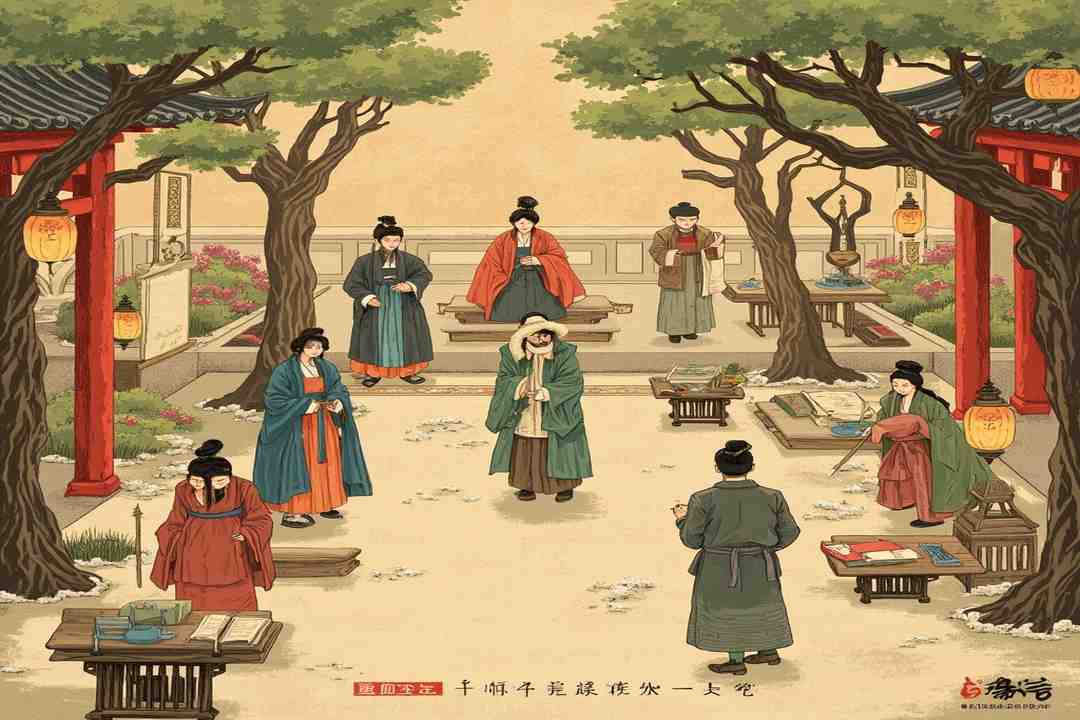
What chinese idiom stories bundle Means
At MengxueClass, the Chinese idiom stories bundle is a curated collection of chengyu resources tailored for learners who want more than just definitions. It’s not a random list of phrases; instead, it’s a structured guide that links each idiom to its origin story, clarifies its figurative meaning (beyond literal translation), and shows how to use it in modern contexts.
Unlike generic idiom lists, this bundle prioritizes stories that resonate with everyday life—perfect for parents teaching kids or foreigners looking to understand cultural context. The core goal is to make chengyu accessible: you won’t find complex academic jargon here, just clear explanations and relatable examples.
For instance, instead of a dry entry on 守株待兔, you’ll get the farmer’s fable and tips for talking about it with your child.
How Chinese Idioms and Chengyu Work
Before diving into the bundle, it helps to understand what makes chengyu unique. Unlike English idioms (which are often colloquial and shorter), Chinese idioms are almost always four characters, rooted in ancient texts or historical events, and packed with layered meaning.
For example, take the phrase 掩耳盗铃 (yǎn ěr dào líng): literally “cover ears to steal a bell.” Its story comes from a man who thought if he blocked his own ears, no one else would hear the bell ring when he stole it. The meaning is clear: deceiving yourself to avoid facing reality.
A key expert tip for beginners: start with chengyu that have simple, visual stories—these are easier to remember and apply. Unlike English idioms, chengyu often carry moral lessons, making them useful for teaching values to kids or explaining complex ideas concisely.
For context, most chengyu date back to the Spring and Autumn or Warring States periods, so each one is a tiny piece of Chinese history. Chinese Idiom Stories Bundle
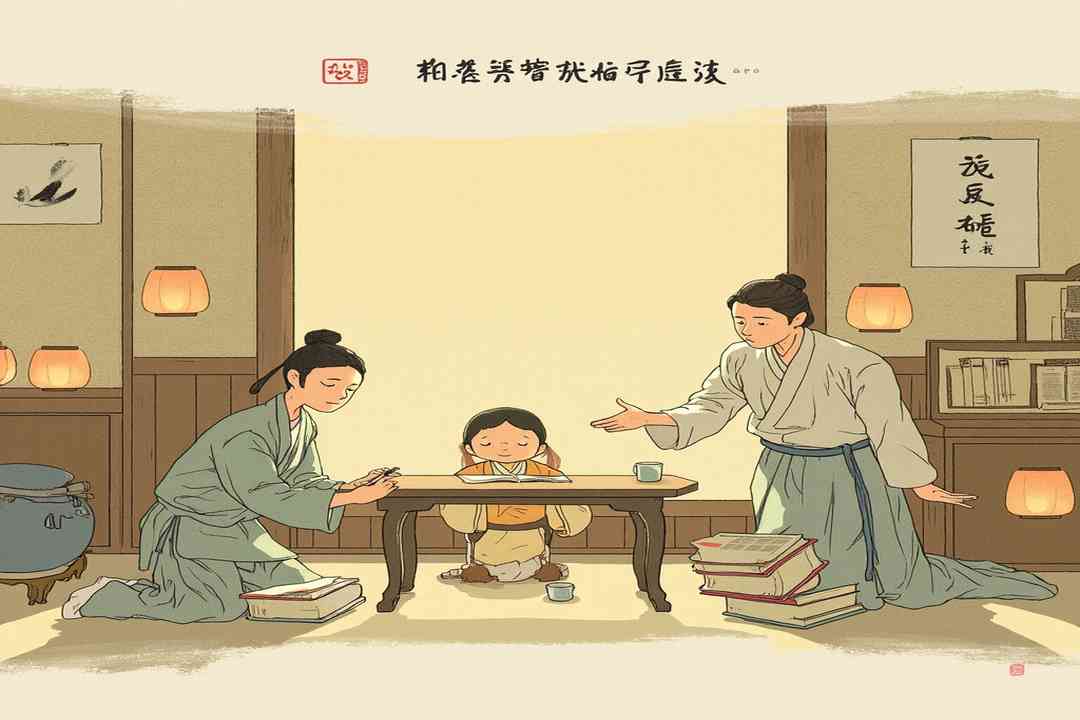
Common Examples Worth Learning First
The Chinese idiom stories bundle includes dozens of idioms, but these 10 are perfect for new learners:
- 守株待兔 (shǒu zhū dài tù) – Meaning: Waiting for luck instead of working for results. Story: A farmer in ancient China found a rabbit that died after hitting a tree stump.
- He abandoned his fields to wait for more rabbits, never working again and eventually letting his crops fail. Chinese Idiom Stories BundleIf you want to explore this idiom’s full story, check its dedicated page.
- 画蛇添足 (huà shé tiān zú) – Meaning: Adding unnecessary details that ruin a task. Story: Two men drew snakes to win a wine prize.
- One finished first, then added feet to his snake—before he could finish, the other man took the wine, saying snakes don’t have feet. Chinese Idiom Stories BundleThis is equivalent to the English phrase “gilding the lily.”
- 狐假虎威 (hú jiǎ hǔ wēi) – Meaning: Using someone else’s power to intimidate others. Story: A fox tricked a tiger into thinking it was the king of animals.
- Chinese Idiom Stories BundleWhen the tiger followed, all animals ran away—scared of the tiger, not the fox.
- 掩耳盗铃 (yǎn ěr dào líng) – Meaning: Deceiving yourself to avoid the truth. Chinese Idiom Stories BundleStory: A man stole a bell and tried to muffle the noise by covering his own ears, convinced no one would hear it.
- 刻舟求剑 (kè zhōu qiú jiàn) – Meaning: Failing to adapt to change. Story: A man dropped his sword from a moving boat.
- Chinese Idiom Stories BundleHe marked the spot on the boat to find it later, but when he stopped, he searched the marked area—obviously fruitless.
- 亡羊补牢 (wáng yáng bǔ láo) – Meaning: Fixing a mistake after it happens to prevent future loss. Story: A shepherd lost two sheep because his fence was broken.
- Chinese Idiom Stories BundleAfter fixing the fence, he never lost another sheep.
- 叶公好龙 (yè gōng hào lóng) – Meaning: Pretending to like something. Story: Lord Ye loved dragons so much he decorated his whole house with them.
- Chinese Idiom Stories BundleWhen a real dragon visited, he ran away in fear.
- 坐井观天 (zuò jǐng guān tiān) – Meaning: Having a narrow, limited view. Story: A frog living in a well thought the sky was only as big as the opening of the well.
- Chinese Idiom Stories BundleWhen a turtle from the sea told him about the vast ocean, the frog was shocked.
- 买椟还珠 (mǎi dú huán zhū) – Meaning: Valuing form over substance. Chinese Idiom Stories BundleStory: A man bought a box of pearls, but returned the pearls because the wooden box was too beautiful.
- 滥竽充数 (làn yú chōng shù) – Meaning: Pretending to have skill to fit in. Story: A man who couldn’t play the yu (a traditional wind instrument) joined a royal orchestra.
- Chinese Idiom Stories BundleWhen they asked him to play solo, he was exposed as a fraud.
How to Remember and Use Them Naturally
Once you’ve learned these idioms, the next step is to use them naturally. A common mistake beginners make is forcing chengyu into every sentence—instead, use them when the context fits.
For example, if your child skips their homework expecting a toy as a reward, you might say, “Don’t be like the farmer in 守株待兔—you need to work for what you want.” This makes the idiom meaningful, not just a word to memorize. Another tip: pair each idiom with a daily scenario.
If you’re cleaning up a mess after cooking, mention 画蛇添足 if you added extra ingredients that made the dish worse. For translation, use English equivalents when possible to avoid confusion: 狐假虎威 is similar to “using someone’s name to get respect.” For more on using idioms in conversations, check the guide to modern chengyu usage.
Related Idiom Stories to Read Next
The Chinese idiom stories bundle also includes deeper dives into idioms with rich historical context. Here are four to explore next:
- 塞翁失马 (sāi wēng shī mǎ) – Meaning: A loss may turn out to be a gain. Story: An old man lost his horse, which later returned with another horse.
- His son broke his leg riding the new horse, which saved him from being drafted into war.
- 闻鸡起舞 (wén jī qǐ wǔ) – Meaning: Working hard with determination. Story: Two ancient generals woke up at the sound of a rooster’s crow to practice sword fighting, preparing to serve their country.
- 悬梁刺股 (xuán liáng cì gǔ) – Meaning: Studying with extreme dedication. Story: A scholar tied his hair to a beam to avoid sleeping while studying, and another pricked his thigh with a needle to stay awake.
- 破釜沉舟 (pò fǔ chén zhōu) – Meaning: Committing fully to a goal. Story: A general ordered his soldiers to sink their ships and break their cooking pots before battle—they won because they had no choice but to fight.

Frequently Asked Questions
What is the origin of chinese idiom stories bundle?
The “Chinese idiom stories bundle” refers to a curated collection of traditional Chinese idiom (chengyu) narratives, with roots in ancient China’s educational and cultural traditions.
Early compilations of these stories date back to the Han Dynasty (206 BCE – 220 CE), when scholars gathered tales from historical records, philosophical texts, and folk lore to transmit moral lessons, historical events, and cultural wisdom through concise idiomatic phrases.
These bundles evolved over centuries into popular learning tools for both native speakers and learners of Chinese.
What does chinese idiom stories bundle mean in plain English?
In plain English, a “Chinese idiom stories bundle” is a set or collection of short, accessible stories that explain the meaning, origin, and cultural context of common Chinese idioms (chengyu)—fixed phrases that carry deeper, often non-literal, meanings tied to Chinese history or values.
How do you use chinese idiom stories bundle in a sentence?
Example sentence: “To prepare for my presentation on cross-cultural communication, I referenced a Chinese idiom stories bundle to illustrate how idioms shape everyday speech in Mandarin-speaking communities.”
What is the literal meaning of chinese idiom stories bundle?
The literal meaning of the phrase breaks down into its individual components: “Chinese” (relating to the culture or language of China), “idiom” (a fixed phrase with a non-literal, idiomatic meaning), “stories” (narrative accounts), and “bundle” (a collection of items grouped together).
Literally, then, it is a grouped collection of narrative accounts about Chinese idioms.
Can chinese idiom stories bundle be used in formal writing?
Yes, the phrase “Chinese idiom stories bundle” is appropriate for formal writing, particularly in fields like cultural studies, language education, or comparative literature.
It is used as a clear descriptive term for educational or cultural resources, and fits naturally in academic contexts.
It is not a specialized technical term, however, so it would not typically be used in highly niche fields like legal or medical writing.
One Last Thing
The Chinese idiom stories bundle is more than a collection of phrases—it’s a way to connect with Chinese culture through relatable, timeless stories. Whether you’re a parent teaching your child about hard work or a foreign learner wanting to understand the language’s depth, this bundle gives you the tools to use chengyu naturally.
Explore the dedicated story pages for each idiom to dive deeper, and don’t be afraid to try using these phrases in your next conversation. MengxueClass’s resources are designed to make learning fun and useful for everyone—happy exploring!
A strong Chinese Idiom Stories Bundle page should help readers move from broad discovery to specific Chinese idiom stories. Chinese Idiom Stories Bundle works best when it connects meanings, examples, pronunciation, and related idioms in one useful path. For learners, Chinese Idiom Stories Bundle should function as a practical entry point rather than a loose list of phrases.
Chinese Idiom Stories Bundle can also guide readers toward deeper pages about individual chengyu stories and usage examples. That is why Chinese Idiom Stories Bundle needs clear examples, internal pathways, and concise explanations.
How Did Cheng Men Li Xue Idiom Become a Popular Idiom? How Did Fu Ji Cong Shi Idiom Become a Popular Idiom? How Did Shou Bu Shi Juan Idiom Become a Popular Idiom? Wikipedia