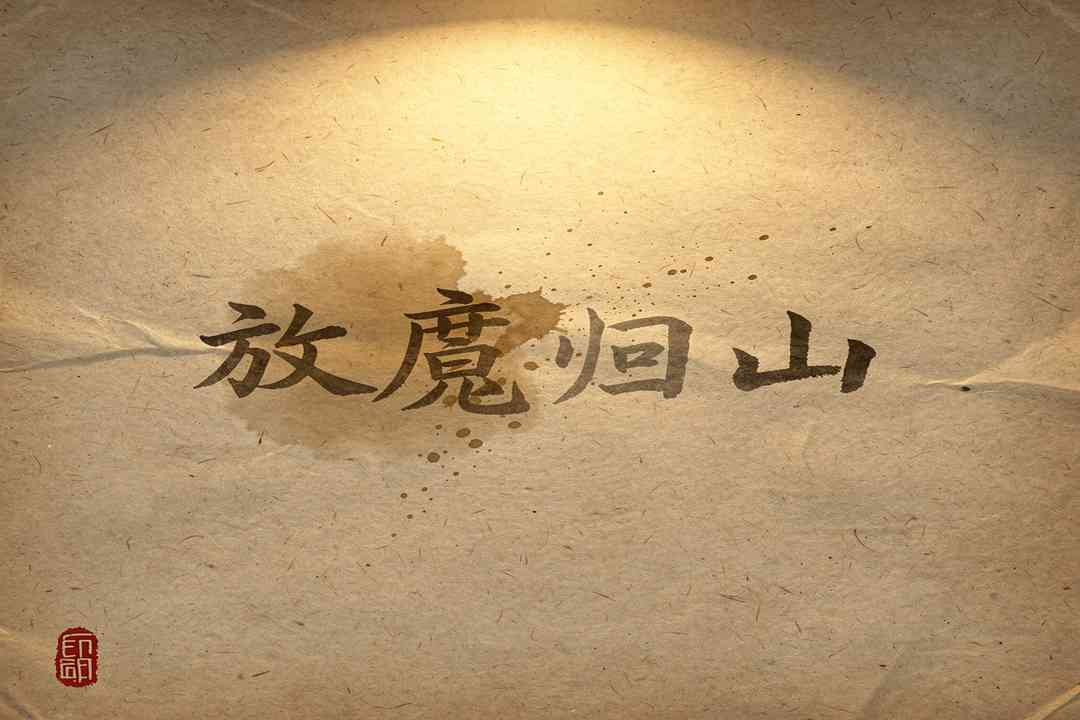
The idiom fang hu gui shan idiom literally means “to release a tiger back to the mountain.” In Chinese,
it’s written as 放虎归山 (fàng hǔ guī shān).
This powerful four-character expression carries a warning that still matters in modern life: never let a dangerous enemy go free,
or they will return to threaten you later.
The fang hu gui shan idiom has been used for centuries to advise against showing weakness to rivals,
and its story comes straight from one of China’s most famous historical novels.

The Story Behind fang hu gui shan idiom
The fang hu gui shan idiom originates from the classic Chinese novel *Romance of the Three Kingdoms* (三国演义), written by Luo Guanzhong during the Ming Dynasty. The story takes place during the turbulent period after the Battle of Red Cliffs around 208 AD, when the Three Kingdoms of Wei, Shu, and Wu were forming.
The most commonly cited version involves Zhuge Liang (诸葛亮), the famous strategist of Shu Kingdom.
When Liu Bei (刘备), the ruler of Shu, captured a enemy general named Zhang Fei (张飞) after a battle,
some of his advisors suggested releasing the prisoner as a gesture of kindness. Zhuge Liang strongly disagreed.
He warned Liu Bei that releasing a powerful enemy was like setting a tiger free in the mountains—the tiger would recover its strength and return to cause even greater harm.
Fang Hu Gui Shan IdiomThis advice became immortalized as the idiom fang hu gui shan.
Another version of the story involves the earlier period when Cao Cao (曹操), the warlord who would found the Wei Kingdom,
captured Liu Bei’s forces but chose not to destroy him completely.
Advisors warned that this was like releasing a tiger back to the mountain.
Fang Hu Gui Shan IdiomHistory proved them right—Liu Bei eventually became Cao Cao’s greatest rival.
What fang hu gui shan idiom Really Means
The literal meaning of fang hu gui shan is straightforward: physically setting free a tiger in its natural mountain habitat.
However, the idiomatic meaning is much deeper.
Fang Hu Gui Shan IdiomIt describes the act of showing mercy to a dangerous enemy or rival,
only to have that enemy recover and return stronger than before to seek revenge.
The key insight is the element of *future danger*.
Simply put, this idiom warns that some enemies should never be released, no matter how kindly you might wish to treat them.
Fang Hu Gui Shan IdiomIt’s about recognizing long-term strategic thinking over short-term compassion.
A common mistake people make is thinking fang hu gui shan simply means “being too kind to enemies.” That’s not quite right.
The idiom specifically emphasizes the *danger of the future consequences*—not just the act of kindness itself.
Another mistake is using this idiom for minor disagreements between friends. This expression is too strong for everyday quarrels.
Fang Hu Gui Shan IdiomIt’s reserved for serious situations involving real rivals or enemies with the power to harm you significantly.
How to Use fang hu gui shan idiom in Conversation
Here are real example sentences showing how native speakers use this idiom:
- “We had him cornered, but the CEO decided to spare him. Now he’s working for our competitor—that was definitely fang hu gui shan!” (This shows the idiom used in a business context about a dangerous rival.)
- “The police caught the thief but released him without charges. Everyone knows that’s fang hu gui shan—he’ll steal again.” (Here the idiom describes a situation where letting go of a threat leads to future problems.)
- “She could have fired him but gave him a warning instead. Some called it mercy; others said it was fang hu gui shan.” (This shows the idiom used in workplace situations.)
In formal settings like business meetings or strategic discussions, you might say: “We cannot afford to fang hu gui shan with this competitor.” In casual conversations, people might say: “Don’t release him like that—you know the saying fang hu gui shan!” The idiom works in both written and spoken Chinese, though it’s more common in formal or educated speech.
A common usage mistake is applying fang hu gui shan to situations that aren’t truly dangerous. Remember: this idiom is dramatic.
Fang Hu Gui Shan IdiomUse it only when the “enemy” has real power to hurt you later.
Why fang hu gui shan idiom Matters Today
In modern Chinese business culture, fang hu gui shan remains highly relevant.
Chinese businesspeople frequently cite this idiom when discussing competitive strategy, mergers, or personnel decisions.
Fang Hu Gui Shan IdiomFor example, when a company considers acquiring a rival but then decides against it,
advisors might warn: “If we don’t acquire them completely, it’s fang hu gui shan.” The idiom teaches the importance of thoroughness in dealing with threats.
In education and parenting,
this idiom appears when adults discuss not giving second chances to children who have shown serious behavioral problems.
Teachers might tell parents: “This isn’t a small mistake—this child needs serious intervention.
Fang Hu Gui Shan IdiomBeing too lenient would be fang hu gui shan.”
In personal relationships, people sometimes use this idiom humorously.
Fang Hu Gui Shan IdiomSomeone might joke with a friend who keeps forgiving a disloyal partner: “You’re fang hu gui shan!
They’ll just hurt you again.”
The cultural power of this idiom comes from its deep roots in Chinese strategic thinking. Fang Hu Gui Shan IdiomIt reflects a pragmatic worldview that values long-term security over short-term kindness—a lesson that resonates across centuries.
Related Idioms
Several Chinese idioms share similar themes with fang hu gui shan:
斩草除根 (cǎn cǎo chú gēn) means “cut the grass and remove the root”—completely eliminate a threat so it can never return.
This is the opposite approach to fang hu gui shan.
Fang Hu Gui Shan IdiomWhile fang hu gui shan warns against releasing enemies, 斩草除根 advises finishing them completely.
养虎为患 (yǎng hǔ wéi huàn) translates to “raising a tiger to cause disaster.” This idiom has a similar warning but focuses on the *act of nurturing* an enemy rather than releasing them. Fang Hu Gui Shan IdiomIt suggests that helping a future enemy grow stronger is equally dangerous.
后患无穷 (hòu huàn wú qióng) means “future troubles will be endless.” This phrase often accompanies fang hu gui shan to emphasize the consequences. Fang Hu Gui Shan IdiomWhen you release a tiger back to the mountain, the result is endless future problems.
These related idioms all warn about the dangers of handling enemies or rivals too gently—showing that this concern runs deep in Chinese cultural thinking.

Frequently Asked Questions
Where does fang hu gui shan come from? The idiom comes from *Romance of the Three Kingdoms* by Luo Guanzhong, written during the Ming Dynasty (around the 14th century). Fang Hu Gui Shan IdiomThe story involves Zhuge Liang warning Liu Bei about releasing powerful enemies.
Can I use fang hu gui shan in everyday conversation? Yes, but only in serious situations.
It’s not appropriate for small disputes.
Fang Hu Gui Shan IdiomUse it when discussing real rivals, business competitors,
or significant conflicts where someone has real power to harm you later.
What’s the difference between fang hu gui shan and 养虎为患? Fang hu gui shan focuses on *releasing* an enemy, while 养虎为患 focuses on *raising or nurturing* an enemy. Fang Hu Gui Shan IdiomBoth are warnings, but they describe slightly different scenarios.
Is fang hu gui shan only used negatively? Almost always yes.
It expresses criticism or warning about letting a dangerous person go free.
Fang Hu Gui Shan IdiomYou wouldn’t use it to praise someone’s mercy.
Does this idiom have historical accuracy? The story comes from a historical novel, not official historical records. Fang Hu Gui Shan IdiomHowever, the values and strategic thinking it expresses reflect real military and political philosophy from the Three Kingdoms period.
How do I write fang hu gui shan in Chinese characters? The four characters are 放虎归山. Fang Hu Gui Shan IdiomThe first character 放 means “to release,” 虎 means “tiger,” 归 means “return,” and 山 means “mountain.”
What is the origin of the idiom "fang hu gui shan"?
The idiom is commonly explained through Chinese historical and strategic writing about the danger of releasing a serious threat. Its literal image is releasing a tiger back to the mountain, where the tiger regains strength and becomes harder to control.
What does "fang hu gui shan" mean in plain English?
It means releasing a dangerous enemy or threat back into an environment where it can recover and create future trouble.
How do you use "fang hu gui shan" in a sentence?
You can use it as a warning, such as: letting that competitor recover would be fang hu gui shan. The idiom works best when a lenient decision may create a larger future risk.
What is the literal meaning of the idiom "fang hu gui shan"?
The four characters are fang, hu, gui, and shan: release, tiger, return, and mountain. The literal meaning is to release a tiger back to the mountain.
Can "fang hu gui shan" be used in formal writing?
Yes. It is a classical four-character Chinese idiom and can be used in formal, literary, educational, or analytical writing when the context involves risk, leniency, and future consequences.
One Last Thing
The next time you face a decision about whether to give someone a second chance, remember the tiger.
The fang hu gui shan idiom teaches us that kindness without wisdom can create tomorrow’s problems.
This doesn’t mean never showing mercy—but it does mean thinking carefully about who truly deserves a second chance and who might use that kindness as a weapon against you later.
Try using this idiom in your next conversation about competition or conflict.
You’ll sound more fluent and connect with a rich tradition of Chinese strategic thinking that has shaped culture for centuries.
Fang Hu Gui Shan IdiomKeep practicing, and soon this powerful expression will become part of your own language toolkit!
Chinese Idioms About Learning Printable Chinese Idioms About Success Printable Chinese Idioms For Love Printable Wikipedia