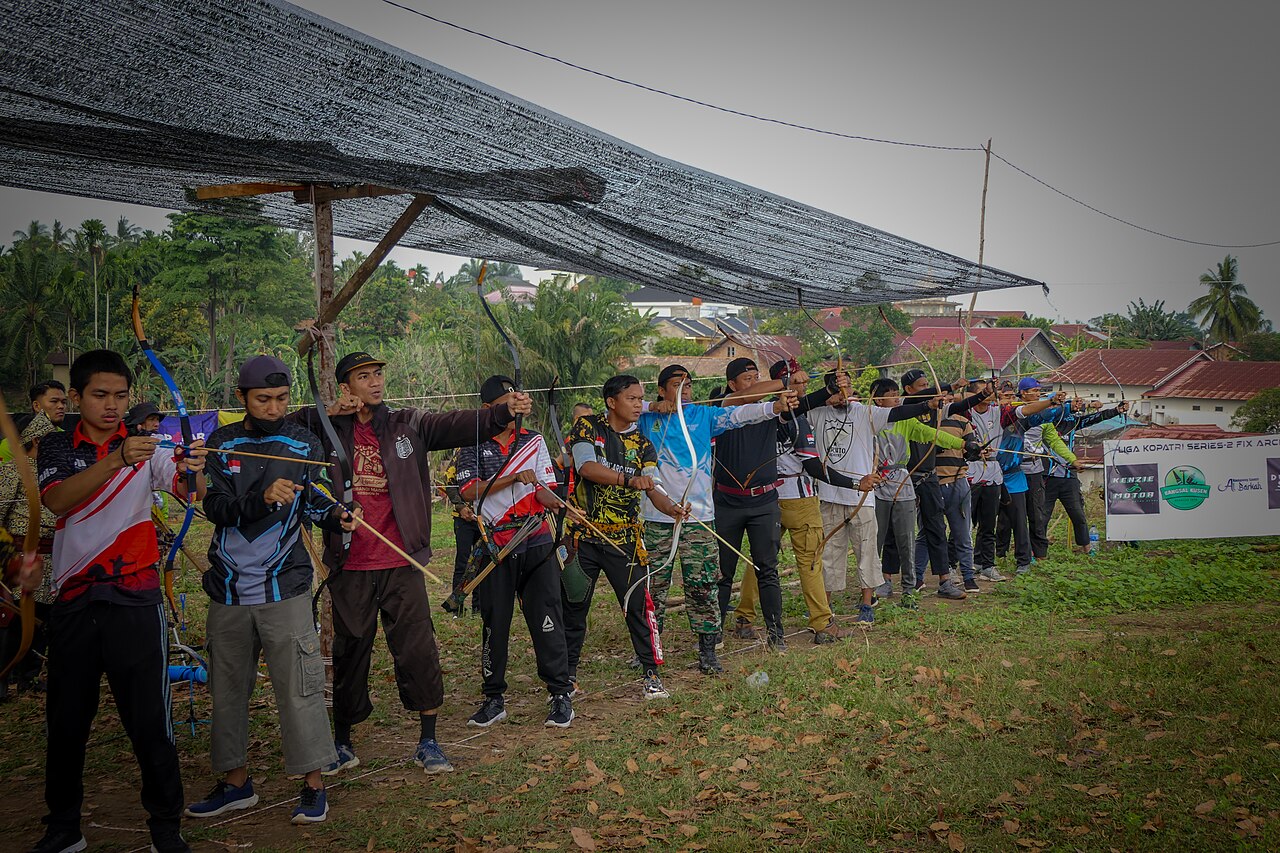
Jing gong zhi niao meaning is best understood through the picture inside the four characters: a bird once hurt by an arrow becomes so alert that the sound of a bow can make it panic. The idiom is written as 惊弓之鸟 and pronounced jīng gōng zhī niǎo. In modern English, it describes someone whose earlier fright makes them unusually nervous when a similar signal appears again.
The expression is not simply a colorful way to say that a person is timid. Its force comes from memory. The bird has already been wounded, so its new reaction is shaped by an earlier danger. That difference matters when parents, teachers, or language learners choose examples: the present trigger may be small, but the fear has a history.
This guide follows the idiom from its traditional story setting to modern sentences, then separates accurate use from careless labeling. The goal is to help an English-speaking learner recognize the characters, retell the plot in a clear order, and decide whether the idiom fits a real situation without turning a person's reasonable caution into a joke.
Quick Answer
Jing gong zhi niao (惊弓之鸟, jīng gōng zhī niǎo) describes someone whose earlier fright makes them react too strongly to a new, similar signal; literally, it is a bird frightened by the bow.
Basic Facts
Jing Gong Zhi Niao Meaning Starts with the Story
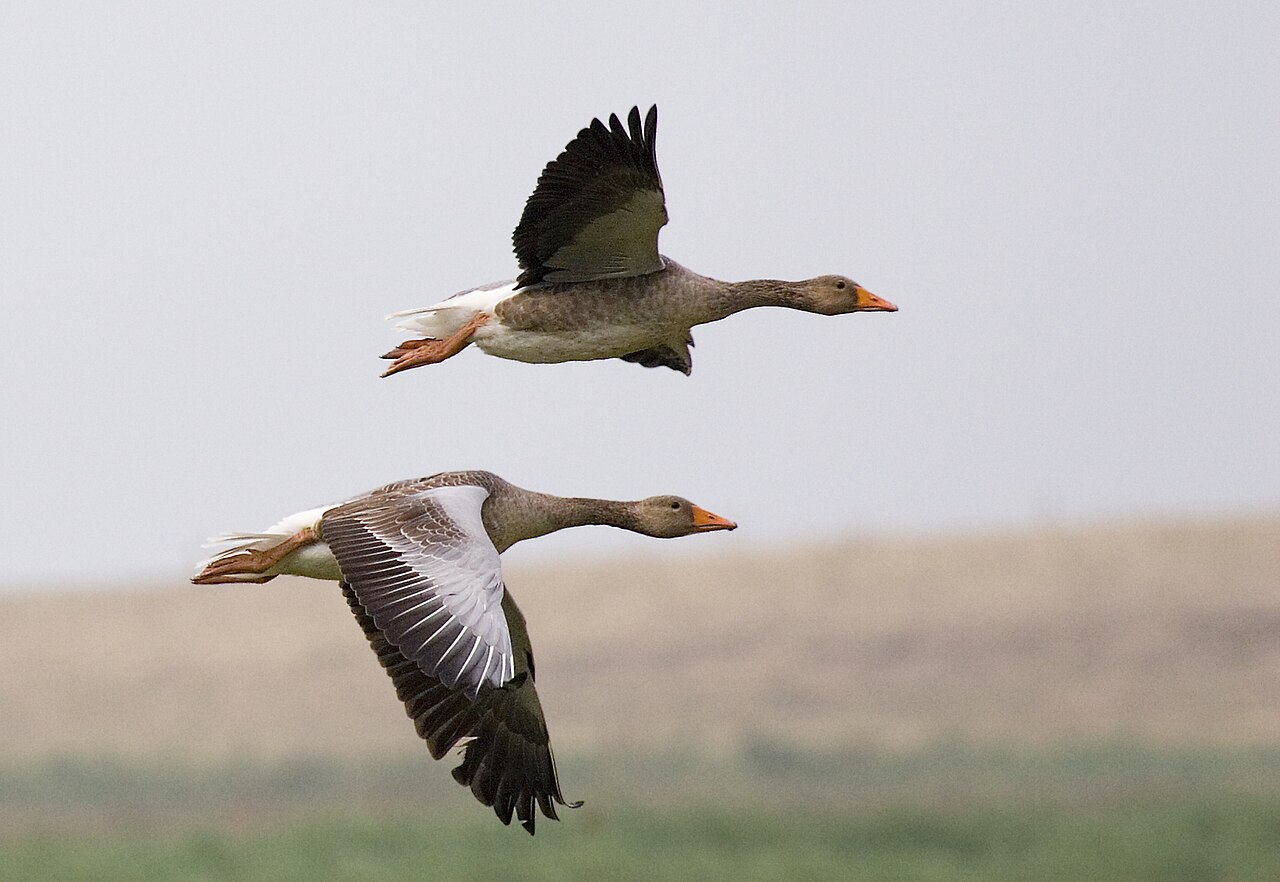
A widely cited version of the story appears in the Strategies of the Warring States, in a passage associated with the state of Wei. The skilled archer Geng Lei tells the king that he can bring down a goose without shooting an arrow. He draws the bow and releases no arrow; at the sound, a goose falls from the sky.
Geng Lei explains that the feat was not magic. He had observed that the goose flew slowly and cried sadly. Those signs suggested that it had been separated from its flock and had not recovered from an earlier wound. When it heard the bowstring, fear made it flap upward too sharply, the old injury opened, and the bird fell.
The memorable point is the chain of evidence: unusual flight, a sorrowful call, a previous wound, the familiar sound of danger, and an excessive reaction. Retellings may shorten the scene or modernize details, but learners should preserve that logic rather than reducing the story to an archer frightening a random bird.
For children, the story can be retold in four beats: the king sees the goose, Geng Lei notices its condition, the bow sounds without an arrow, and the old wound explains the fall. Asking a learner to put those beats in order tests understanding better than asking for a memorized English gloss.
From a Wounded Goose to a Modern Meaning
The literal phrase can be unpacked character by character. 惊 means startled or frightened; 弓 means bow; 之 links the phrase; 鸟 means bird. A natural English paraphrase is 'a bird frightened by the bow,' but the idiomatic meaning is closer to 'someone made jumpy by a previous scare.'
The idiom usually carries an evaluative tone. It suggests that the current reaction is stronger than the immediate situation requires. That tone is why it should be used carefully. A colleague who checks a document after an earlier error may simply be prudent; the idiom fits only when the old shock is visibly driving an outsized response.
Several English expressions overlap without matching perfectly. 'Once bitten, twice shy' emphasizes caution after a bad experience. 'A startled bird' preserves the image but is not a fixed English idiom. 'On edge' describes a current state but omits the earlier cause. Translators should choose according to the sentence rather than forcing one equivalent everywhere.
In spoken Chinese, the phrase often appears after a noun or topic, as in 他现在像惊弓之鸟一样, 'He is now like a bird frightened by the bow.' In formal commentary, a group, market, or team may also be described this way when past disruption makes it overreact to another warning.
When the Idiom Fits and When It Does Not
A suitable workplace example would be: after a serious data loss, the team became 惊弓之鸟 and treated every routine system alert as a major failure. The prior incident is named, the new signal is smaller, and the reaction is disproportionate. All three parts support the idiom.
A family example could involve a child who was once startled by a barking dog and later becomes alarmed by any sound near a gate. A teacher can discuss the idiom while still acknowledging the child's fear. The lesson should explain the language, not mock the person experiencing it.
An unsuitable example is a hiker checking a weather warning before a storm. There may be no previous shock, and the caution may be reasonable. Another poor example is calling anyone with anxiety 惊弓之鸟. The idiom comments on a particular pattern in a particular context; it is not a diagnosis or a permanent character label.
Learners can test a sentence with three questions. What happened before? What new signal appeared? Why is the present reaction stronger than that signal alone would explain? If the sentence cannot answer all three, a simpler word such as nervous, cautious, or startled may be more accurate.
A Simple Teaching Activity for Parents and Teachers
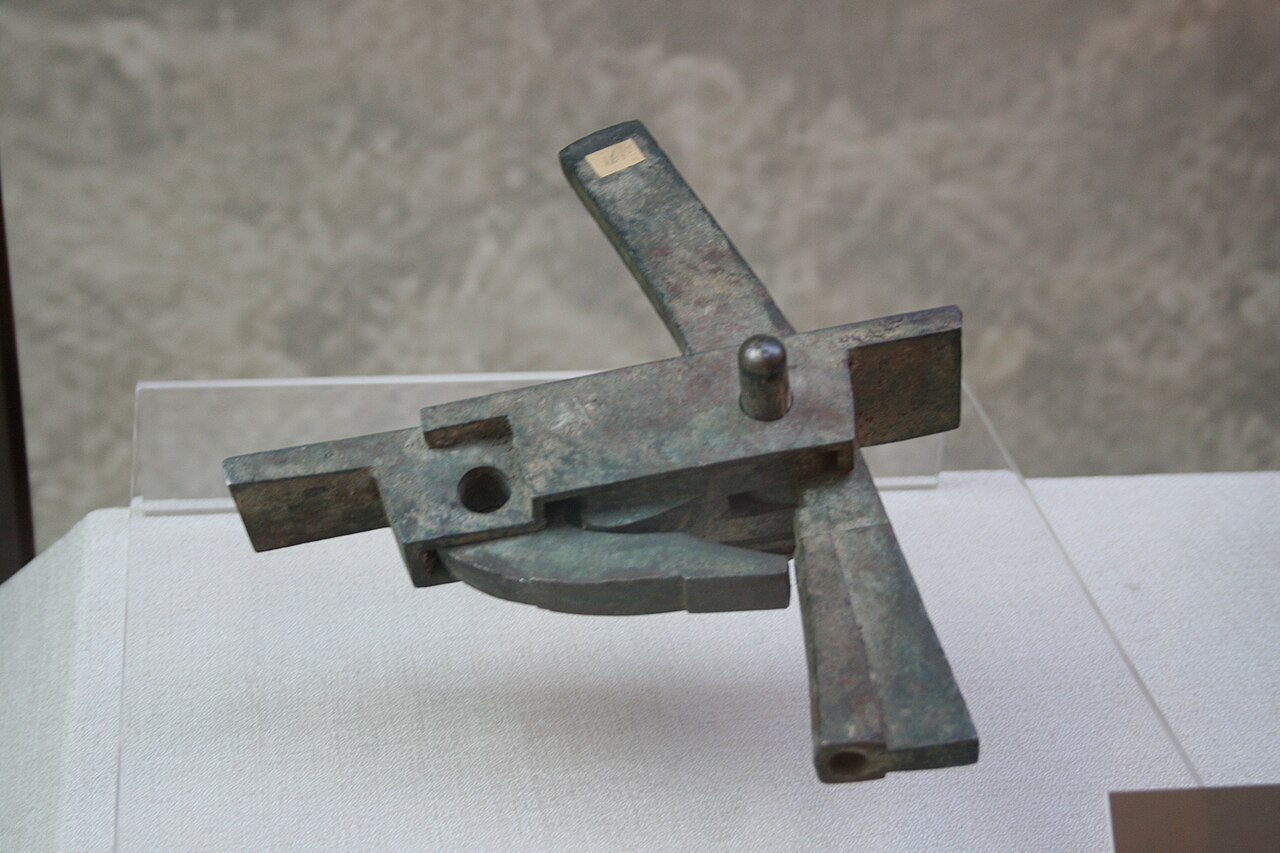
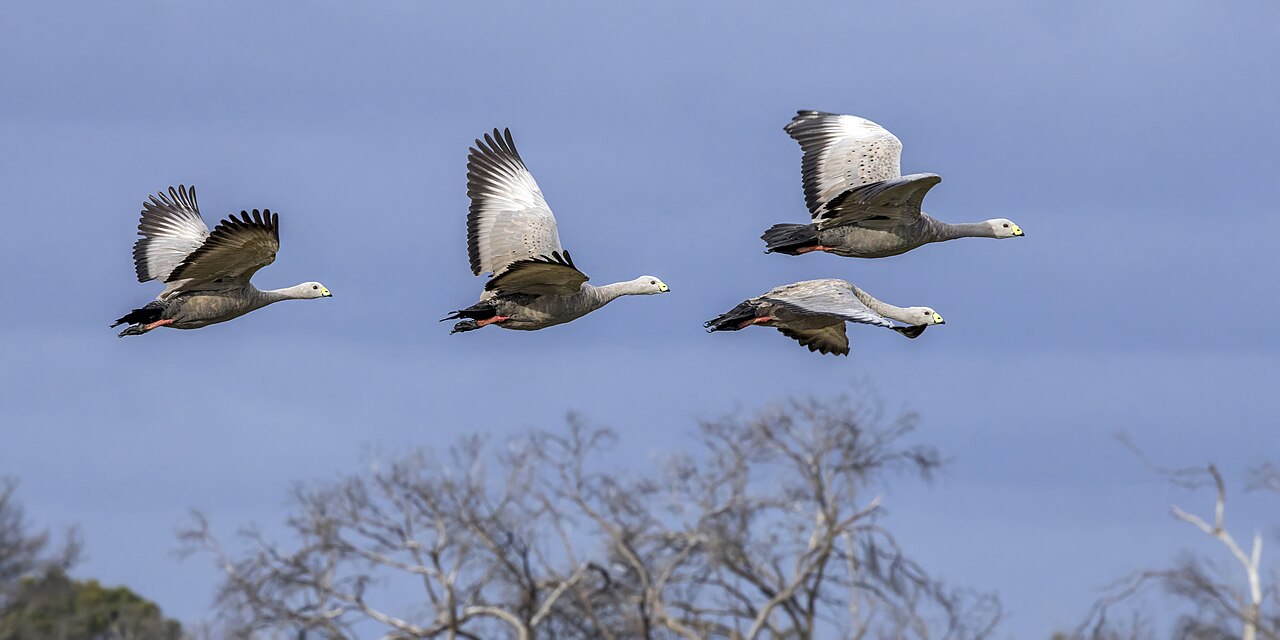
For a short home lesson, show the four characters first and let the learner identify 弓 and 鸟. Read the pinyin with tone marks, then use a picture of a goose and an ancient bow to establish the concrete scene. Only after the image is clear should the lesson move to the figurative meaning.
A useful activity is an evidence sort. Put six cards on a table: old wound, slow flight, sad cry, bow sound, sudden climb, and fall. The learner orders the cards and explains which clues Geng Lei used. This turns the story into observation and cause-and-effect reasoning rather than a vocabulary recital.
For older learners, compare one accurate sentence with one near miss. The accurate sentence includes a prior scare and an overreaction; the near miss describes sensible caution. Ask the learner to revise the near miss by adding or changing the missing relationship. This makes the usage boundary visible.
Parents can connect this lesson to other story-based resources without crowding the article. The site's Chinese idiom story collection provides longer reading practice, while the English meanings guide helps learners compare literal images and modern use across different chengyu.
Source Note and Retelling Boundary
Source notes should distinguish the traditional text from later classroom retellings. The story is commonly traced to the Strategies of the Warring States. Exact wording, names, and narrative framing may vary across editions and translations, so a careful article attributes the core scene instead of claiming that every modern detail comes from one identical ancient script.
The safest factual summary is modest: Geng Lei observes an injured goose, predicts that the sound of his bow will make it fall, and explains the result through the bird's previous wound and fear. The idiom develops from that remembered danger. Details beyond that core should be checked against the edition being cited.
For bilingual study, keep the Chinese phrase beside a plain English explanation instead of treating the English line as a word-for-word replacement. The four-character image carries a compact relationship between memory, sound, and reaction that usually needs a full English sentence. Recording the source, the literal picture, and one carefully chosen modern example gives another reader enough evidence to understand why the idiom was selected.
Quick reference
- Earlier cause: identify the previous fright or injury.
- New trigger: name the present sound, warning, or signal.
- Reaction: show why it is stronger than the new trigger alone explains.
- Tone check: do not use the idiom to ridicule reasonable caution.
Continue with the Chinese idiom stories collection, compare wording in Chinese idioms in English, or use the children’s idiom learning guide. For the classical source tradition, consult the Chinese Text Project edition of the Strategies of the Warring States.
Frequently Asked Questions
What does jing gong zhi niao mean?
It describes a person or group whose previous fright causes an unusually strong reaction to a new but similar signal.
How do you write and pronounce the idiom?
It is written 惊弓之鸟 and pronounced jīng gōng zhī niǎo.
Where does the story come from?
The story is commonly traced to the Strategies of the Warring States and centers on the archer Geng Lei observing an injured goose.
Is it the same as once bitten, twice shy?
They overlap, but once bitten, twice shy stresses caution; 惊弓之鸟 more often suggests an excessive reaction caused by remembered danger.
Can the idiom describe anxiety or trauma?
Use caution. It can describe a context-specific fear response, but it should not be used as a diagnosis or to dismiss a person's real distress.