
Readers searching for zi xiang mao dun meaning usually need the story, the pinyin, and the usage boundary in one place. The idiom is easy to translate as self-contradiction, but the spear-and-shield image explains why the conflict comes from the same speaker’s own absolute claims.
Quick Answer
自相矛盾 (zì xiāng máo dùn), Zi Xiang Mao Dun, means to contradict oneself. The idiom comes from a story about a seller who claims that his spear can pierce anything and that his shield cannot be pierced by anything. When someone asks what would happen if the spear struck the shield, the two claims cannot both stand. In modern use, the idiom describes statements, promises, arguments, or actions that conflict with one another.
Basic Facts
For source context, compare the idiom with a general Chinese idiom overview, then verify the Han Feizi passage in a trusted edition or learner reference.
The spear-and-shield story
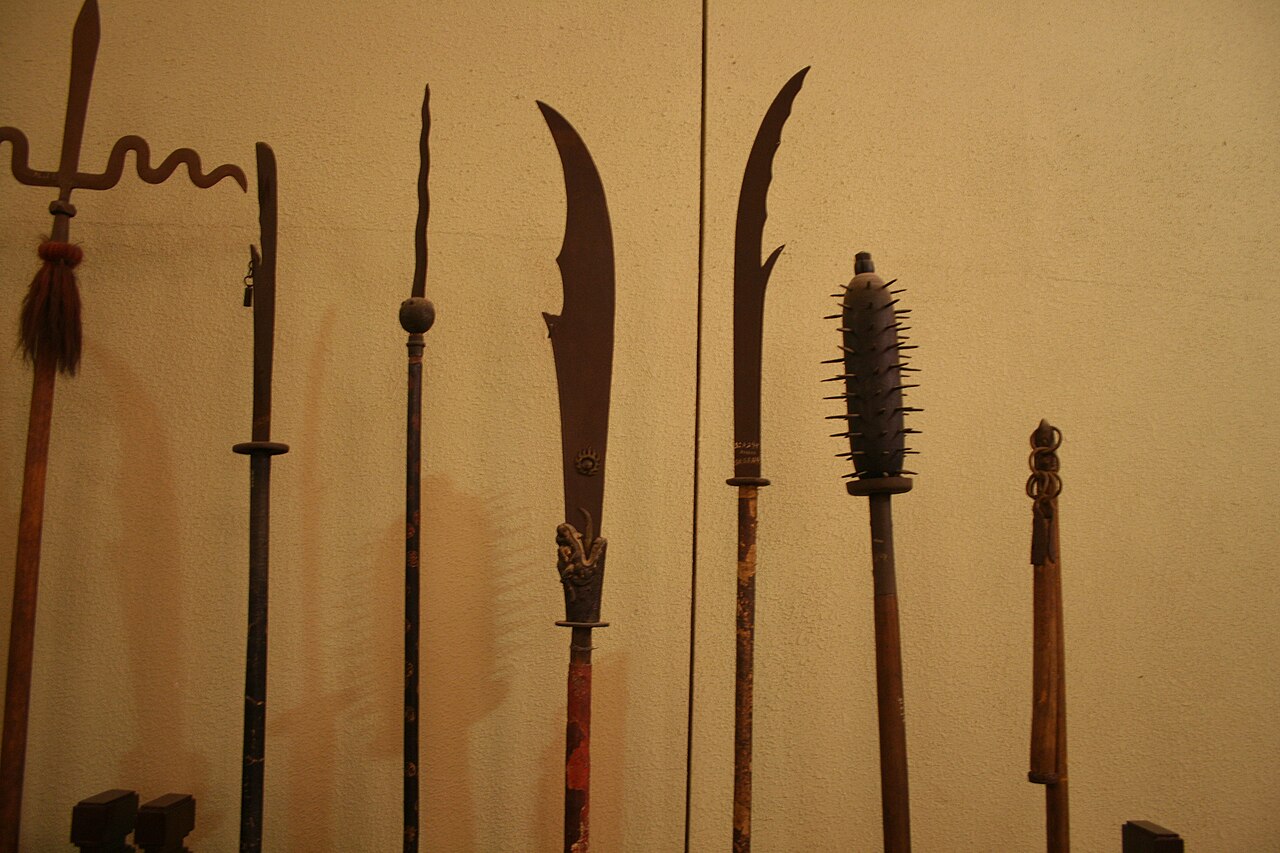
The story appears in the philosophical text associated with Han Feizi. A seller displays weapons and praises them in absolute terms. His spear is said to pierce every object; his shield is said to resist every weapon. A listener asks the natural follow-up question: what happens if that spear is used against that shield?
The seller cannot answer without weakening one of his claims. The problem is not that the spear or shield has been tested and found faulty. The problem is that the language is too absolute to remain consistent when the two claims are considered together. The story turns a market boast into a lesson about logic and careful speech.
Characters and pinyin
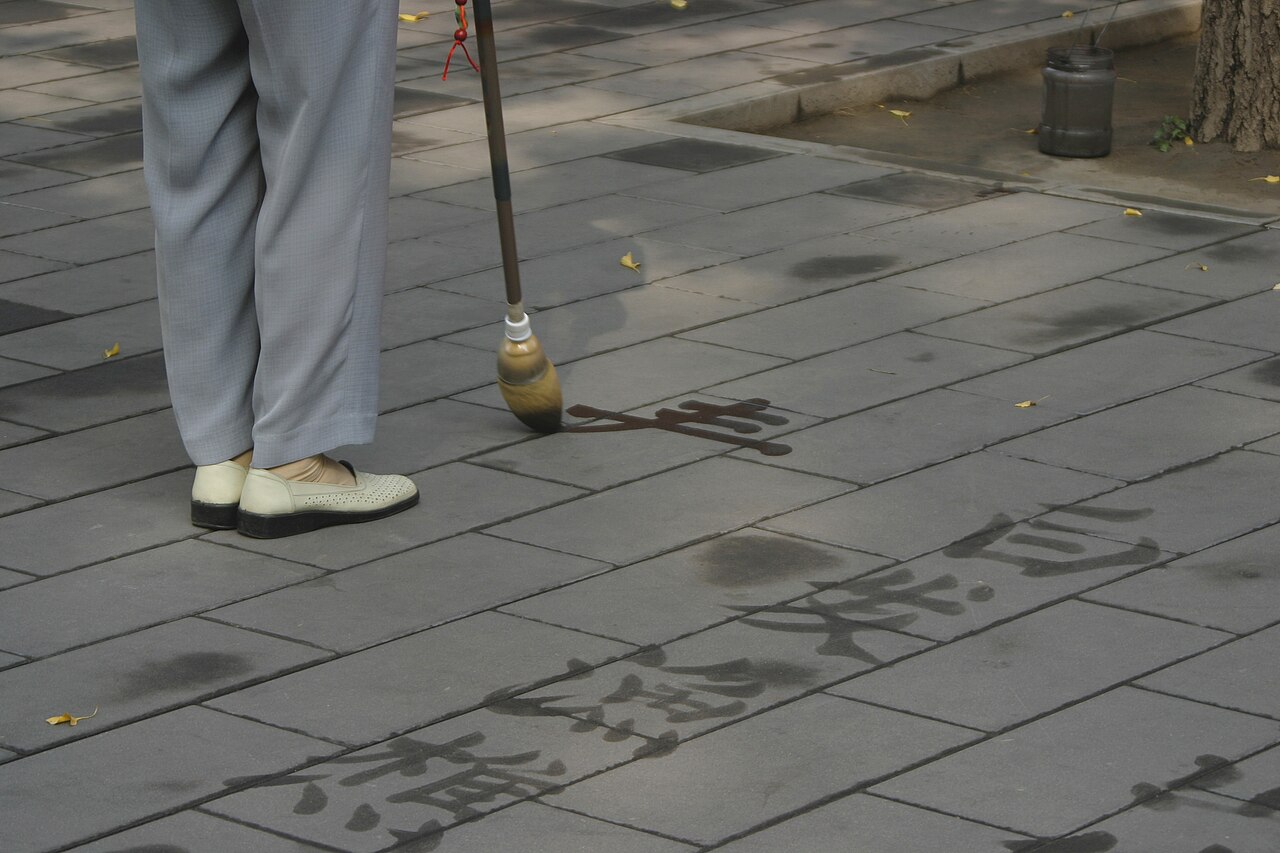
The four characters are:
– 自 (zì): oneself; – 相 (xiāng): mutually or with one another; – 矛 (máo): spear; – 盾 (dùn): shield.
The standard pinyin is zì xiāng máo dùn, with four syllables. In English writing, the romanization may appear without tone marks, but the characters are important because they preserve the idiom’s image and distinguish it from unrelated homophones.
Literal and figurative meanings
Literally, the phrase places a spear and a shield in conflict. Figuratively, it describes internal contradiction: a person or text makes claims that cannot all be true at the same time. The contradiction may be obvious, as in two opposite promises, or subtle, as in a policy whose exceptions undermine its stated rule.
The idiom is not simply a synonym for “wrong.” A statement can be false without contradicting another statement. Use 自相矛盾 when the conflict comes from the speaker’s own words, conditions, or actions.
Modern usage meaning
An advertisement that says a product is “completely risk-free” and later warns that results vary may invite a 自相矛盾 critique, depending on the exact wording. A manager who says a team should take initiative but penalizes every independent decision may also be described this way. In an essay, two paragraphs that defend opposite conclusions without explaining a change in position create the same problem.
When using the idiom, name the two conflicting claims. That makes the explanation stronger than simply labeling someone contradictory. If the speaker has clarified a condition or changed a view openly, the situation may be revision rather than 自相矛盾.
Usage notes for learners
Do not use the idiom for every disagreement between two people. A disagreement can be reasonable if each person has different evidence. Do not use it for a single exaggerated statement unless another part of the same argument creates the conflict. Finally, avoid assuming that a translation such as “self-contradictory” captures every context; the spear-and-shield image often carries a sharper criticism of absolute claims.
For zi xiang mao dun meaning, the strongest reading begins with the two claims. One claim says the spear can pierce anything; the other says the shield cannot be pierced by anything. The question exposes the conflict because both claims are absolute.
A careful zi xiang mao dun meaning explanation should not turn the idiom into a loose insult. It should identify the speaker, the two statements, and the condition under which those statements clash.
In classroom use, zi xiang mao dun meaning works best when learners underline the two incompatible claims before giving the English meaning. That habit keeps the idiom tied to evidence instead of turning it into a generic word for wrong.
Modern writing can use zi xiang mao dun meaning for policies, advertisements, essays, or promises, but the example should show internal conflict. If two people simply disagree, a different phrase may be more accurate.
The Han Feizi source boundary matters for zi xiang mao dun meaning. The page can name the traditional spear-and-shield story, but it should avoid unsupported details about the seller, place, or exact historical scene.
A final zi xiang mao dun meaning review should confirm characters, pinyin, literal image, figurative meaning, and the two conflicting claims. If those pieces are clear, the idiom can be used with precision.
Zi Xiang Mao Dun meaning in reading and writing
A useful zi xiang mao dun meaning note should make the contradiction test visible. In the original learning frame, the problem is not that the spear is strong or that the shield is strong. The problem is that the same seller describes both objects with unlimited claims. If a spear can pierce every shield, then no shield can be impossible to pierce. If a shield cannot be pierced by any spear, then no spear can pierce everything. The idiom points to that clash inside one argument.
When students explain zi xiang mao dun meaning, they can use a three-part sentence: first name the claim, then name the second claim, then show why the two claims cannot both be true. This method is clearer than memorizing only “self-contradiction,” because the English word does not show the spear-and-shield image. The image helps learners remember that the evidence must come from the speaker’s own words, policy, promise, or action.
In modern examples, zi xiang mao dun meaning can describe a rule that says “always” in one line and “sometimes” in another line, an advertisement that promises the lowest price and a premium-only service at the same time, or an essay that argues both that a choice is necessary and that the same choice should never be made. The idiom is weaker if the two ideas come from different people, different dates, or different conditions. In those cases, explain the context before calling the statement self-contradictory.
For source study, keep the Han Feizi connection narrow. A learner can say that the story is traditionally associated with the Han Feizi tradition and its spear-and-shield example. A responsible zi xiang mao dun meaning page should not invent extra dialogue, location details, or moral claims that are not needed for the idiom. The safe lesson is simple: absolute claims must be tested against each other, and language becomes more reliable when the contradiction is named exactly.
For practice, ask learners to write one sentence that is merely opposite and one sentence that is truly self-contradictory. The first sentence may show two people taking different sides. The second should show one person making claims that defeat each other. This small distinction keeps zi xiang mao dun meaning useful in essays, debate notes, and everyday reading.
When a learner searches for zi xiang mao dun meaning, the answer should be direct: zi xiang mao dun meaning means that a claim defeats itself. The phrase zi xiang mao dun meaning is most useful when the reader can point to both sides of the conflict in the same source. Before using zi xiang mao dun meaning in a sentence, check that the contradiction is internal, not just a comparison between two opinions.
For wider study, compare this page with the four-character Chinese idioms hub, related Chinese idiom stories, and Chinese idioms in English.
Quick reference
Frequently Asked Questions
What does Zi Xiang Mao Dun mean?
自相矛盾 means to contradict oneself. It describes claims or actions that conflict internally.
What is the story behind 自相矛盾?
A seller claims his spear can pierce anything and his shield cannot be pierced. A question about using the spear on the shield exposes the contradiction.
How do you pronounce Zi Xiang Mao Dun?
The standard pinyin is *zì xiāng máo dùn*, with four syllables and tone marks.
Is every disagreement 自相矛盾?
No. The idiom concerns a conflict within one person’s claims or actions, not simply two people holding different views.
How can I use the idiom in modern writing?
State the two conflicting claims first, then explain why they cannot both be maintained under the same conditions.
{“@context”:”https://schema.org”,”@type”:”FAQPage”,”mainEntity”:[{“@type”:”Question”,”name”:”What does Zi Xiang Mao Dun mean?”,”acceptedAnswer”:{“@type”:”Answer”,”text”:”自相矛盾 means to contradict oneself. It describes claims or actions that conflict internally.”}},{“@type”:”Question”,”name”:”What is the story behind 自相矛盾?”,”acceptedAnswer”:{“@type”:”Answer”,”text”:”A seller claims his spear can pierce anything and his shield cannot be pierced. A question about using the spear on the shield exposes the contradiction.”}},{“@type”:”Question”,”name”:”How do you pronounce Zi Xiang Mao Dun?”,”acceptedAnswer”:{“@type”:”Answer”,”text”:”The standard pinyin is *zì xiāng máo dùn*, with four syllables and tone marks.”}},{“@type”:”Question”,”name”:”Is every disagreement 自相矛盾?”,”acceptedAnswer”:{“@type”:”Answer”,”text”:”No. The idiom concerns a conflict within one person’s claims or actions, not simply two people holding different views.”}},{“@type”:”Question”,”name”:”How can I use the idiom in modern writing?”,”acceptedAnswer”:{“@type”:”Answer”,”text”:”State the two conflicting claims first, then explain why they cannot both be maintained under the same conditions.”}}]}
{“@context”:”https://schema.org”,”@type”:”BlogPosting”,”headline”:”Zi Xiang Mao Dun Meaning: Story, Pinyin, and Modern Examples”,”description”:”Learn the meaning of Zi Xiang Mao Dun (自相矛盾), its spear-and-shield story, pinyin, lesson, and modern examples of contradictory claims.”,”author”:{“@type”:”Organization”,”name”:”MengxueClass”},”datePublished”:”2026-08-25″}