叶公好龙 (ye gong hao long idiom) is a famous Chinese idiom meaning a person who claims to love something but actually fears it.
The story comes from an ancient Chinese text called Zhan Guo Ce, dating back over two thousand years.
It describes a nobleman named Ye Gong who claimed to love dragons but fled in terror when a real dragon visited his home.
This seemingly simple tale carries profound lessons about hypocrisy, self-deception, and the gap between what we say and what we
truly believe.
It describes a nobleman named Ye Gong who claimed to love dragons but fled in terror when a real dragon visited his home.
The enduring power of this idiom lies in its ability to expose a universal human weakness.
Everyone, at some point, has pretended to embrace something while secretly fearing its reality.
This makes ye gong hao long idiom remarkably relevant in modern life.
Whether in business, relationships, or personal growth, recognizing this pattern can lead to genuine self-awareness and honest
living.
This makes ye gong hao long idiom remarkably relevant in modern life.
Understanding ye gong hao long idiom opens doors to deeper cultural insight and better communication.
It serves as a mirror reflecting our own contradictions.
The idiom appears constantly in Chinese literature, daily conversations, and even political discussions.
Learning it well enriches your appreciation of Chinese wisdom and sharpens your ability to express complex ideas elegantly.
The Story Behind ye gong hao long idiom
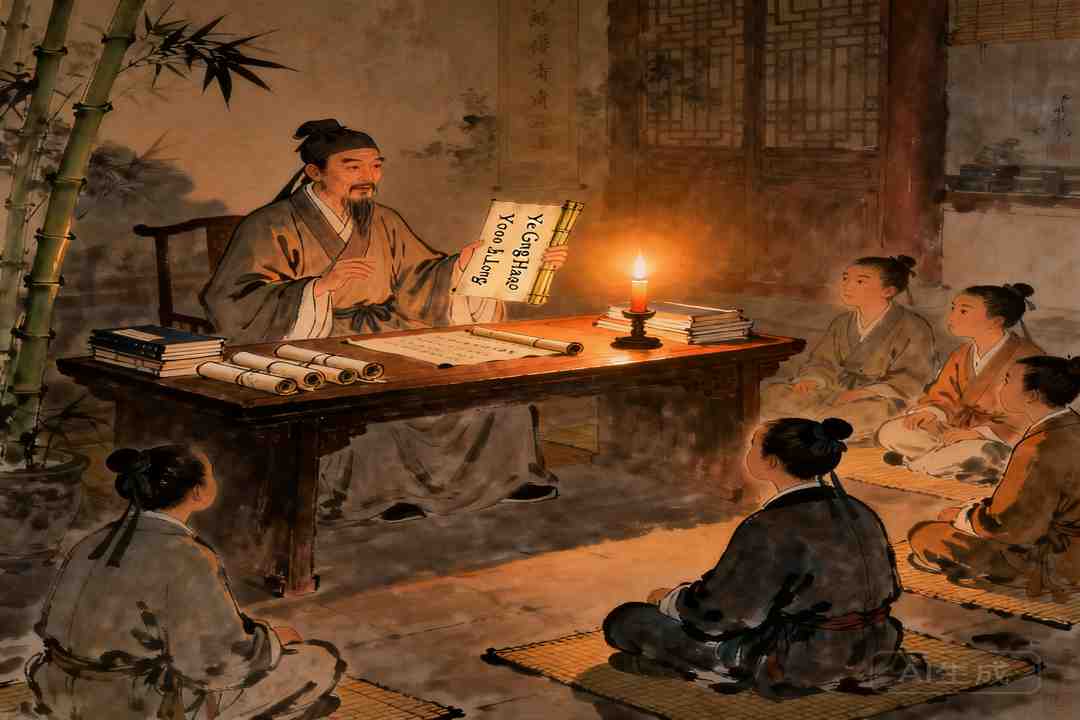
The origin of ye gong hao long idiom traces back to the Zhan Guo Ce, a historical text compiled around 240 BC.
This collection of strategic discussions from the Warring States period contains fascinating anecdotes about Chinese nobles and
their peculiar behaviors.
The origin of ye gong hao long idiom traces back to the Zhan Guo Ce, a historical text compiled around 240 BC.
The story of Ye Gong provides a perfect example of how ancient Chinese philosophers used parables to teach moral lessons.
Ye Gong, also known as Zichan, was a duke in the state of Zheng during the Spring and Autumn period.
He was famously known for his claim to love dragons above all things. His devotion seemed absolute.
He decorated his entire house with dragon paintings and carvings.
Every wall, pillar, and ceiling featured intricate dragon imagery.
His passion appeared so genuine that word spread throughout the land about this noble dragon lover.
One day, a real dragon heard of Ye Gong’s devotion and decided to visit him out of curiosity.
The dragon descended from the heavens and appeared at Ye Gong’s gate. Its massive body stretched across the courtyard.
Its scales shimmered like precious jewels. Its eyes glowed with ancient wisdom.
This was the ultimate test of Ye Gong’s declared love.
When Ye Gong saw the real dragon approaching, he was seized by absolute terror.
He ran away screaming, his heart pounding with fear. The dragon, bewildered by this reaction, left immediately.
Ye Gong had spent years claiming to love dragons, but his love was purely imaginary.
He loved the idea of dragons, not their reality. This dramatic scene became the foundation of ye gong hao long idiom.
The moral of this story is painfully clear. Ye Gong loved the image of dragons, not the creatures themselves.
His affection was shallow and superficial. When confronted with the genuine article, his true feelings emerged instantly.
This story has served as a powerful warning against superficial declarations and false devotion throughout Chinese history.
What ye gong hao long idiom Really Means
The literal meaning of ye gong hao long idiom describes someone who claims to love dragons but fears the real thing.
However, the idiomatic meaning extends far beyond this simple interpretation.
In modern Chinese, ye gong hao long idiom describes anyone who claims to support or love something while secretly opposing or
fearing it.
However, the idiomatic meaning extends far beyond this simple interpretation.
It represents the gap between public statements and private beliefs.
The core lesson of ye gong hao long idiom concerns self-deception and hypocrisy. Ye Gong truly believed he loved dragons.
He never questioned his own feelings. His fear surprised even himself.
This reveals how easily people can fool themselves about their own motivations.
We often convince ourselves of feelings that disappear the moment they face testing.
Many people confuse ye gong hao long idiom with simple hypocrisy, but there is a crucial difference.
Hypocrisy involves deliberately deceiving others for personal gain. Ye Gong, however, deceived himself first.
He genuinely believed he loved dragons. The tragedy lies in his unconscious self-deception rather than conscious lying.
This makes the idiom particularly powerful for personal reflection.
Common mistakes in understanding ye gong hao long idiom include oversimplifying it as mere contradiction.
Some think it simply means saying one thing and doing another.
The deeper meaning involves the psychological mechanism of self-deception. Another mistake is applying it only to obvious liars.
The real lesson applies to all of us who harbor secret fears while claiming noble intentions.
How to Use ye gong hao long idiom in Conversation
You can use ye gong hao long idiom in many situations where someone claims to embrace something but actually resists it.
Here are practical examples demonstrating its usage in daily conversation.
In business contexts, you might say: “The company claims to value innovation, but they rejected every new idea.
That’s ye gong hao long idiom in action.” This captures the contradiction between stated values and actual behavior.
It works perfectly when describing corporate hypocrisy.
In personal relationships: “She says she wants an honest relationship, but she gets defensive whenever someone speaks truth.
It’s classic ye gong hao long idiom.” This helps explain why someone claims to want transparency while punishing it.
In educational discussions: “The school promotes critical thinking but punishes students who question authority.
That’s ye gong hao long idiom.” This usage highlights institutional contradictions effectively.
In political commentary: “Politicians often campaign for change but block reform once elected.
This ye gong hao long idiom describes their behavior perfectly.” The idiom works beautifully when analyzing inconsistent
leadership.
In political commentary: “Politicians often campaign for change but block reform once elected.
In self-reflection: “I claimed to want feedback, but I felt angry when criticized.
I realized I was practicing ye gong hao long idiom.” This shows how the idiom helps personal growth.
Why ye gong hao long idiom Matters Today
The relevance of ye gong hao long idiom in modern society cannot be overstated.
In business environments, companies frequently claim to prioritize customer satisfaction while ignoring feedback.
They display mission statements about integrity while engaging in questionable practices.
Recognizing ye gong hao long idiom helps consumers identify such contradictions and make informed choices.
In personal development, ye gong hao long idiom serves as a powerful tool for self-examination.
People often claim they want growth but avoid challenges. They say they seek truth but reject uncomfortable information.
This idiom names that pattern precisely.
It encourages honest self-assessment and genuine commitment rather than hollow declarations.
Educational institutions benefit from understanding ye gong hao long idiom as well.
Schools may claim to foster creativity while testing only memorization.
Universities talk about diversity while maintaining rigid hierarchies.
Acknowledging these contradictions leads to meaningful reform rather than superficial changes.
In relationships, ye gong hao long idiom explains why partnerships fail despite good intentions.
One partner may claim openness while reacting defensively to vulnerability. The other partner feels confused and hurt.
Understanding this pattern allows couples to address underlying fears rather than surface disagreements.
Related Expressions
Several Chinese idioms share thematic connections with ye gong hao long idiom.
Understanding these related expressions enriches your grasp of Chinese wisdom about authenticity and contradiction.
The idiom “口是心非” (kou shi xin fei) means saying one thing while meaning another.
While similar to ye gong hao long idiom, it focuses more on deliberate deception.
Ye gong hao long idiom emphasizes the unconscious nature of self-deception.
Both idioms warn against speaking falsely, but from different angles.
“自欺欺人” (zi qi qi ren) translates to deceiving oneself and then deceiving others.
This idiom aligns closely with ye gong hao long idiom because it also highlights self-deception. The difference lies in emphasis.
Ye gong hao long idiom focuses on the object of love (dragons), while zi qi qi ren focuses on the process of deception.
The opposite of ye gong hao long idiom would be言行一致 (yan xing yi zhi), meaning words and actions align perfectly.
This represents the ideal that ye gong hao long idiom criticizes.
Studying opposite idioms helps balance your understanding of Chinese moral philosophy.

One Last Thing
The true power of ye gong hao long idiom lies not in recognizing it in others, but in discovering it within yourself.
The next time you claim to want something—a new skill, an honest relationship, or meaningful change—pause and examine your real
reactions.
The true power of ye gong hao long idiom lies not in recognizing it in others, but in discovering it within yourself.
Does your behavior match your words? This simple self-check can transform your personal growth journey.
Remember that the ancient Chinese masters created this idiom not to shame us, but to help us grow.
Self-awareness is the first step toward genuine change.
By understanding ye gong hao long idiom deeply, you gain a powerful tool for honest living and authentic relationships.
Let this wisdom guide you toward becoming someone whose words and actions align perfectly.
Dui Niu Tan Qin Idiom Chinese Idioms And Proverbs Pdf Famous Chinese Idioms And Stories Wikipedia
What is the exact origin of ye gong hao long idiom?
The story appears in the Zhan Guo Ce, an ancient Chinese text compiled around 240 BC during the Warring States period.
The historical Ye Gong was actually Zichan, a wise duke in the state of Zheng known for his good governance.
The story may be fictional but carries timeless wisdom about human nature and self-deception.
How do you write ye gong hao long idiom in Chinese characters?
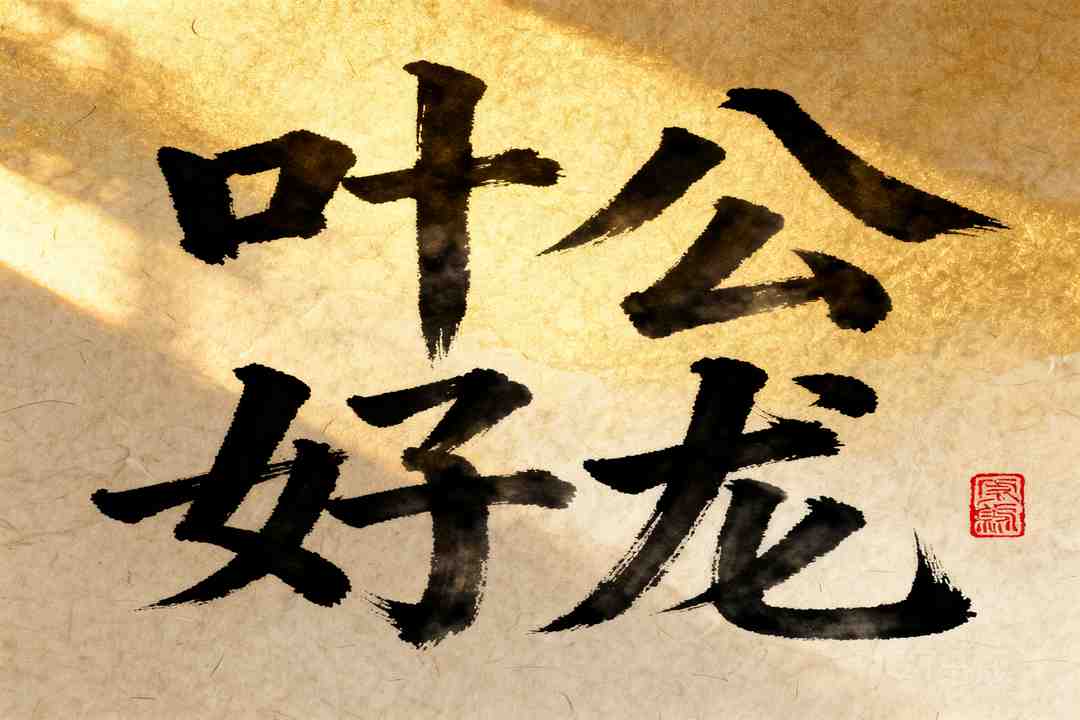
The idiom is written as 叶公好龙.
The first character 叶 refers to the surname, the second 公 means duke or lord, the third 好 means to love or like, and the fourth 龙
means dragon.
The idiom is written as 叶公好龙. Together they literally translate as “Lord Ye loves dragons.”
What is the difference between ye gong hao long idiom and hypocrisy?
Hypocrisy typically involves conscious deception of others for personal benefit.
Ye gong hao long idiom describes unconscious self-deception.
Ye Gong genuinely believed he loved dragons until reality tested his claim. The tragedy lies in his own surprise at his fear.
This makes the idiom particularly useful for self-reflection.
Can ye gong hao long idiom be used in formal writing?
bsolutely. This idiom appears frequently in Chinese academic papers, political speeches, and literary works.
It carries a sophisticated tone while remaining accessible.
English speakers can incorporate it into formal essays, business reports, or educational materials when discussing authenticity
and contradiction.
It carries a sophisticated tone while remaining accessible.
What is the best way to remember ye gong hao long idiom?
Visualize the dramatic scene of the real dragon visiting Ye Gong’s house. Imagine his terror and the dragon’s confusion.
This vivid image makes the idiom memorable.
Associate it with moments when you or others claimed to want something while actually fearing it.
Practice using it in conversation to cement your understanding.
Are there similar idioms in English?
English has expressions like ” preach but don’t practice” and “speak with a forked tongue.” However, none capture the specific
self-deceptive element of ye gong hao long idiom as perfectly.
The Chinese idiom uniquely emphasizes how people can genuinely fool themselves about their own motivations.
## One Last Thing The true power of ye gong hao long idiom lies not in recognizing it in others, but in discovering it within
yourself.
The Chinese idiom uniquely emphasizes how people can genuinely fool themselves about their own motivations.
The next time you claim to want something—a new skill, an honest relationship, or meaningful change—pause and examine your real
reactions.
The Chinese idiom uniquely emphasizes how people can genuinely fool themselves about their own motivations.
Does your behavior match your words? This simple self-check can transform your personal growth journey.
Remember that the ancient Chinese masters created this idiom not to shame us, but to help us grow.
Self-awareness is the first step toward genuine change.
By understanding ye gong hao long idiom deeply, you gain a powerful tool for honest living and authentic relationships.
Let this wisdom guide you toward becoming someone whose words and actions align perfectly.