Chinese Idioms by Theme
Chinese New Year Idioms: Meanings and Greeting Uses
Chinese New Year idioms often mix classical chengyu, auspicious four-character wishes, and festival greetings. This page gives learners a practical list for cards, classroom activities, social posts, and cultural reading.
Quick Answer
Chinese New Year idioms and four-character greetings express wishes for health, prosperity, family harmony, progress, and good fortune. Not every festival expression is a classical chengyu, so this page separates useful greeting formulas from idioms with a longer literary history and shows where each type fits.
Basic Facts
| Main purpose | New Year wishes and seasonal learning |
|---|---|
| Two phrase types | Classical idioms and conventional greetings |
| Useful contexts | Cards, family messages, classroom practice, and social posts |
| Selection rule | Match the wish to the recipient and situation |
Quick reference: choose a general blessing for mixed audiences, a family-oriented phrase for relatives, and a study or career wish only when it matches the recipient.
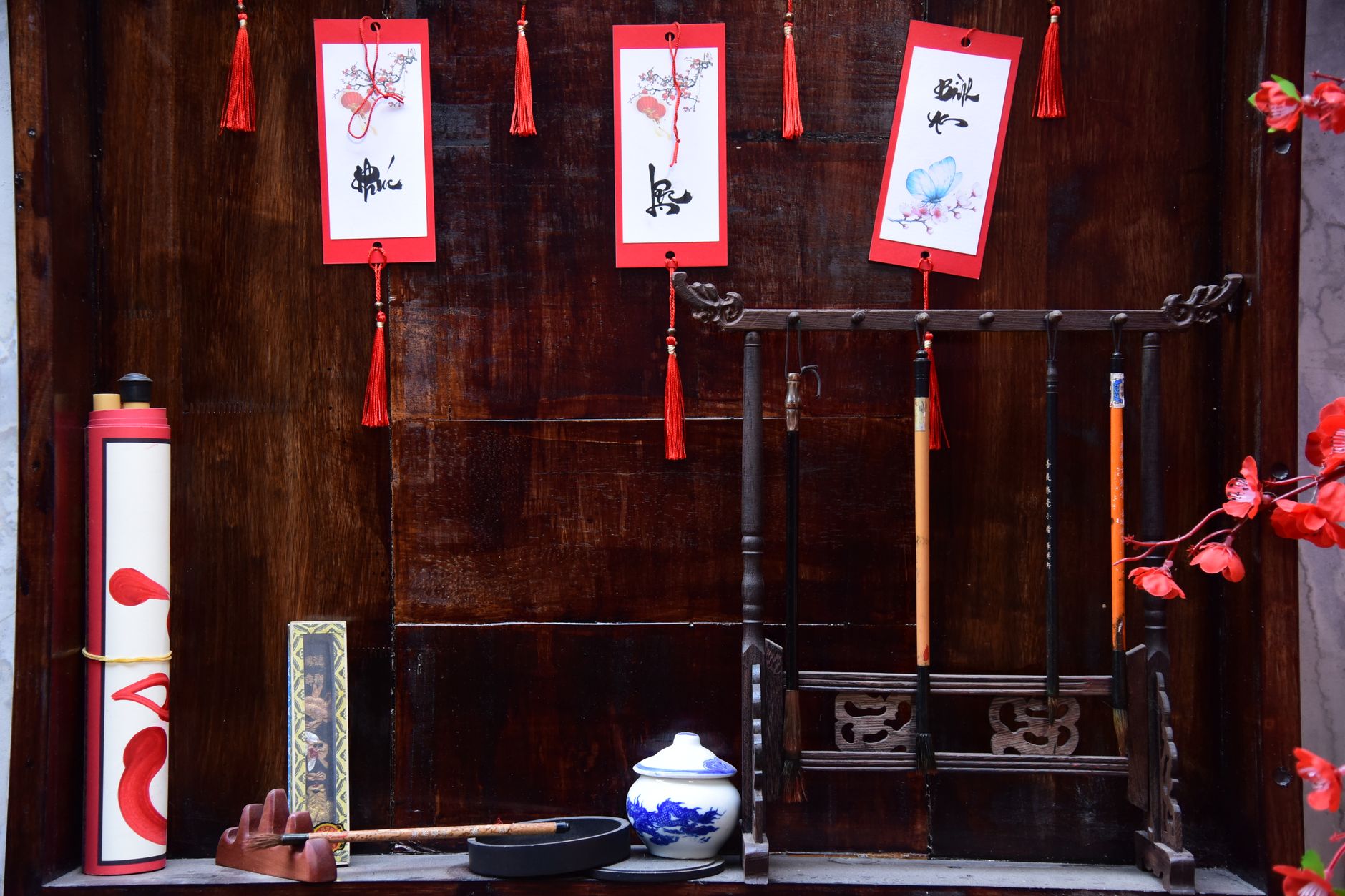
Choose a New Year Phrase by the Wish You Mean
Health and peace: expressions such as 身体健康 focus on well-being, while 岁岁平安 emphasizes lasting peace year after year. These are broad, considerate choices for relatives, teachers, colleagues, and community messages because they do not assume a particular job or financial goal.
Prosperity and business: 恭喜发财 is widely recognized as a wish for prosperity. Business-focused expressions are suitable for shops, clients, or professional contacts, but can feel less personal in a message intended mainly to express family affection.
Progress and achievement: 学业进步 works for students, and 事业有成 fits career wishes. A useful greeting is specific enough to feel thoughtful without making a promise about what the coming year will deliver.
A Simple Selection Check
- Identify the relationship: family member, friend, teacher, colleague, or customer.
- Choose one main wish instead of stacking many unrelated phrases.
- Check whether the phrase is a conventional greeting or a historical idiom if you plan to explain its origin.
- Add a short personal sentence after the four-character expression.

Turn the List into a Short Learning Activity
For beginners, divide a sheet into four columns: phrase, pinyin, plain-English meaning, and best recipient. Reading the phrase aloud is useful, but the important step is deciding why it suits a particular situation. This prevents learners from treating every auspicious expression as interchangeable.
For a classroom sorting task, prepare cards for health, prosperity, family, study, and work. Students place each phrase under a theme and then write one complete greeting. A stronger answer includes the recipient, the expression, and a natural closing sentence rather than only copying four characters.
For writing practice, compare a formal business greeting with a warm family message. The vocabulary may overlap, but the tone, recipient, and supporting sentence should change. This comparison teaches pragmatic use as well as recognition.
Example Greeting Patterns
- For family: begin with a health or peace wish, then add a personal sentence about the year ahead.
- For a student: use a study-progress expression and mention confidence or steady effort.
- For a business contact: keep the wording concise and choose a professional prosperity or success wish.
- For a general card: combine one widely understood blessing with a neutral closing.
Understand Idioms and Greeting Formulas
A four-character shape does not automatically make an expression a classical chengyu. Some New Year formulas are concise, rhythmic wishes. A historical idiom normally also has an established figurative meaning and a traceable textual tradition. Learners can use both types, but should label them accurately in lessons.
For each expression, record the characters, pinyin, purpose, normal recipient, and one complete example. If it is a historical idiom, add a short source note. If it is mainly a conventional blessing, describe the greeting context rather than inventing an origin story.
Also record a boundary. A prosperity phrase may fit a business message but be too narrow for a health-focused or academic context. A study wish fits a learner but not every adult recipient. These boundaries make a short list more useful than a longer list without context.
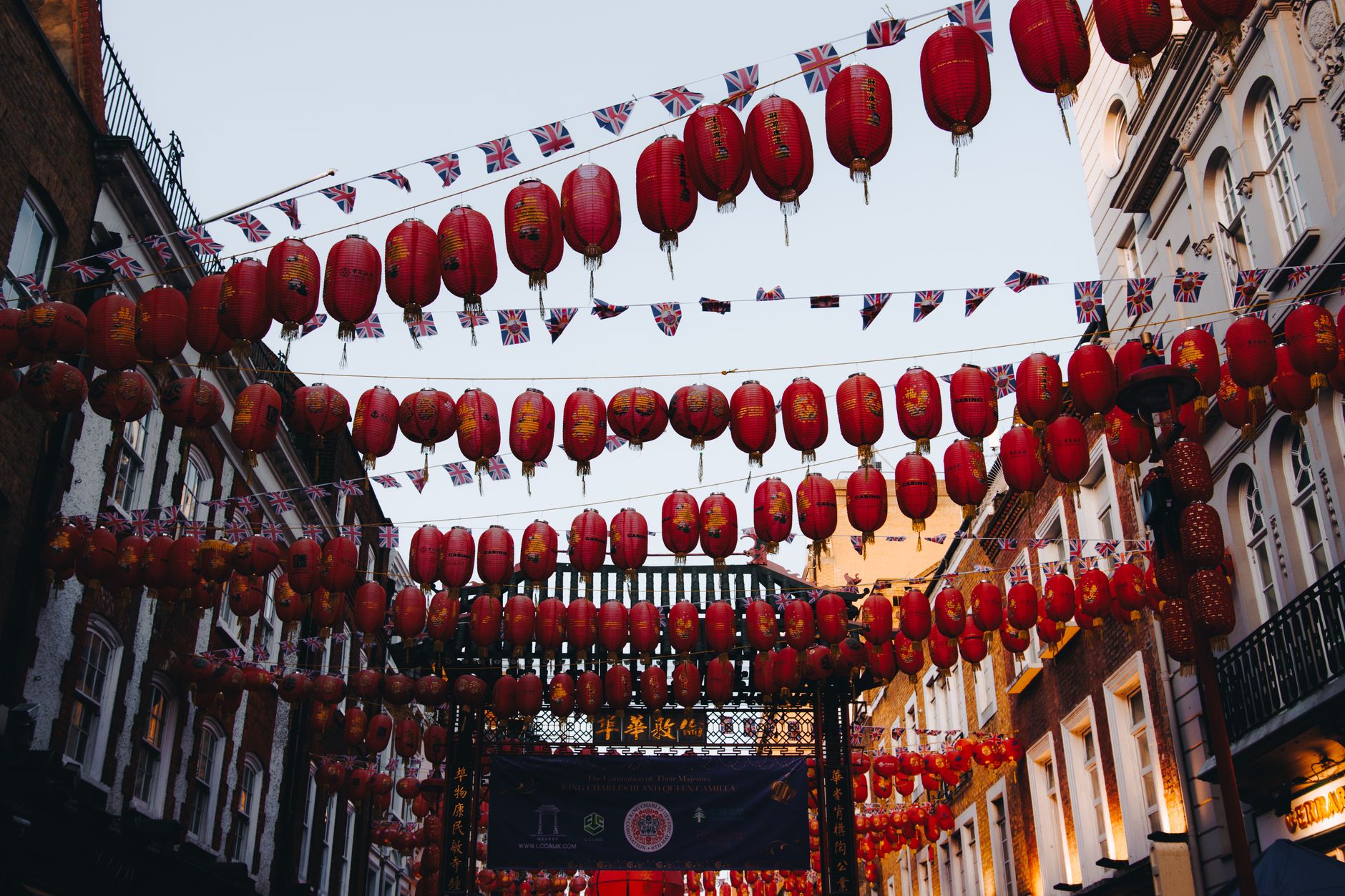
Check the Final Message Before Sending
Read the complete greeting, not only the four-character phrase. Confirm that the recipient, wish, and supporting sentence point in the same direction. A health wish followed by a business-only message can feel assembled rather than personal.
For bilingual cards, translate the intention instead of forcing every Chinese character into a matching English word. Keep the Chinese expression visible, provide pinyin when the reader needs it, and use one natural English sentence that explains the wish.
Finally, check names, titles, and the date or zodiac reference. These small details carry more practical value than adding several extra blessings. One suitable phrase with a specific personal line is usually clearer than a crowded list.
What This Theme Page Covers
This is a seasonal learning and navigation page, not a claim that every listed expression has the same linguistic status. Use the phrase explanations for greeting choices, then continue to the linked animal, dragon, quiz, and children’s resources when the learner needs a narrower topic or a different activity.
Useful Idioms and Four-Character Expressions
Literal meaning: say goodbye to the old and welcome the new
English meaning: to leave the past year behind and welcome a fresh beginning
Useful for New Year introductions, reflections, and lesson activities.
Literal meaning: all things take on a new look
English meaning: everything is renewed
A strong festival phrase for renewal, spring, and new plans.
Literal meaning: auspicious and as wished
English meaning: good fortune and things going as hoped
Common in greetings and suitable for beginner cultural lessons.
Literal meaning: invite wealth and bring in treasures
English meaning: may wealth and prosperity arrive
Often seen in New Year decorations and business greetings.
Literal meaning: peace year after year
English meaning: may every year be safe and peaceful
A warm family-oriented wish rather than a story-based idiom.
Literal meaning: what the heart wishes becomes true
English meaning: may your wishes come true
Useful for cards, messages, and beginner-friendly practice.
How to Use This Theme
Use these phrases when the learning goal is festival culture, greeting cards, classroom display boards, or simple speaking practice around Lunar New Year.
| Learning angle | Suggested phrases | Best use |
|---|---|---|
| Festival greeting | 吉祥如意, 心想事成 | Good for cards and short messages. |
| Renewal theme | 辞旧迎新, 万象更新 | Good for explaining the meaning of the new year. |
| Prosperity wish | 招财进宝 | Good for discussing business and household decorations. |
Mini Lesson and Sharing Ideas
Use these prompts to turn the idioms into quick reading, speaking, writing, or classroom activities. They help learners connect each phrase with a real situation instead of memorizing a list.
Picture prompt
Show red couplets, lanterns, or a family dinner table, then ask learners which phrase fits renewal, blessing, or prosperity.
For additional Chinese-language reference checking, use the Ministry of Education Dictionary of Chinese Idioms, while keeping conventional festival greetings distinct from dictionary-listed idioms.
Writing activity
Ask students to write one greeting card line with the Chinese phrase, pinyin, and a natural English explanation.
For additional Chinese-language reference checking, use the Ministry of Education Dictionary of Chinese Idioms, while keeping conventional festival greetings distinct from dictionary-listed idioms.
Discussion prompt
Use this theme to discuss renewal, blessings, prosperity, and how festival greetings differ from story-based chengyu.
For additional Chinese-language reference checking, use the Ministry of Education Dictionary of Chinese Idioms, while keeping conventional festival greetings distinct from dictionary-listed idioms.
Related Chinese Idiom Resources
Chinese Idioms by Theme
Return to the main theme hub.
For additional Chinese-language reference checking, use the Ministry of Education Dictionary of Chinese Idioms, while keeping conventional festival greetings distinct from dictionary-listed idioms.
Chinese Idiom Quiz
Practice idiom meaning with the free quiz.
For additional Chinese-language reference checking, use the Ministry of Education Dictionary of Chinese Idioms, while keeping conventional festival greetings distinct from dictionary-listed idioms.
Chinese Idiom Resource Center
Browse the main learning resource hub.
For additional Chinese-language reference checking, use the Ministry of Education Dictionary of Chinese Idioms, while keeping conventional festival greetings distinct from dictionary-listed idioms.
Chinese Idioms for Kids
Use story-first idioms with children and beginners.
For additional Chinese-language reference checking, use the Ministry of Education Dictionary of Chinese Idioms, while keeping conventional festival greetings distinct from dictionary-listed idioms.
Chinese Animal Idioms
Browse Chinese animal idioms with pinyin, literal images, English meanings, and story notes for learners and teachers.
For additional Chinese-language reference checking, use the Ministry of Education Dictionary of Chinese Idioms, while keeping conventional festival greetings distinct from dictionary-listed idioms.
Chinese Dragon Idioms
Learn Chinese dragon idioms with pinyin, literal meaning, English explanation, story context, and cultural notes.
For additional Chinese-language reference checking, use the Ministry of Education Dictionary of Chinese Idioms, while keeping conventional festival greetings distinct from dictionary-listed idioms.
Festival Greeting Use Cases
Chinese New Year idioms are useful because they sit between language learning and real cultural use. A learner can study the pinyin and meaning, then use the same phrase in a greeting card, classroom activity, family message, or short social post.
Greeting cards
Choose auspicious four-character wishes when the goal is a warm festival message rather than a story-based lesson.
For additional Chinese-language reference checking, use the Ministry of Education Dictionary of Chinese Idioms, while keeping conventional festival greetings distinct from dictionary-listed idioms.
Classroom practice
Ask learners to compare literal meaning, natural English meaning, and the situation where the phrase would sound appropriate.
For additional Chinese-language reference checking, use the Ministry of Education Dictionary of Chinese Idioms, while keeping conventional festival greetings distinct from dictionary-listed idioms.
Social sharing
Pair one idiom with a short explanation so readers understand both the greeting and the cultural image behind it.
For additional Chinese-language reference checking, use the Ministry of Education Dictionary of Chinese Idioms, while keeping conventional festival greetings distinct from dictionary-listed idioms.
Frequently Asked Questions
Are Chinese New Year idioms all classical chengyu?
No. Some are classical idioms, while others are auspicious four-character wishes used in festival greetings.
Which Chinese New Year idiom is easiest for beginners?
吉祥如意 is easy to learn because the meaning is direct and it appears often in New Year greetings.
Can these phrases be used in English lessons?
Yes. Teachers can ask learners to compare literal meaning, natural English meaning, and cultural situation.
Keep Browsing by Theme
Return to Chinese Idioms by Theme, try the Chinese Idiom Quiz, or continue through the Chinese Idiom Stories Collection.
For additional Chinese-language reference checking, use the Ministry of Education Dictionary of Chinese Idioms, while keeping conventional festival greetings distinct from dictionary-listed idioms.
Automatically updated
Latest matching guides
Newly published articles appear here when their topic matches this resource.Chinese New Year
sai weng shi ma meaning matters for readers seeking a practical, well-scoped guide to sai weng shi ma meaning because sai weng shi ma…
Chinese New Year
Chinese idioms with "ma" (horse) are deeply rooted in traditional culture, reflecting ancient wisdom about speed, success and perseverance. These phrases are still widely…